
How to Prevent Stroke Naturally: 5 Evidence-Based Lifestyle Changes
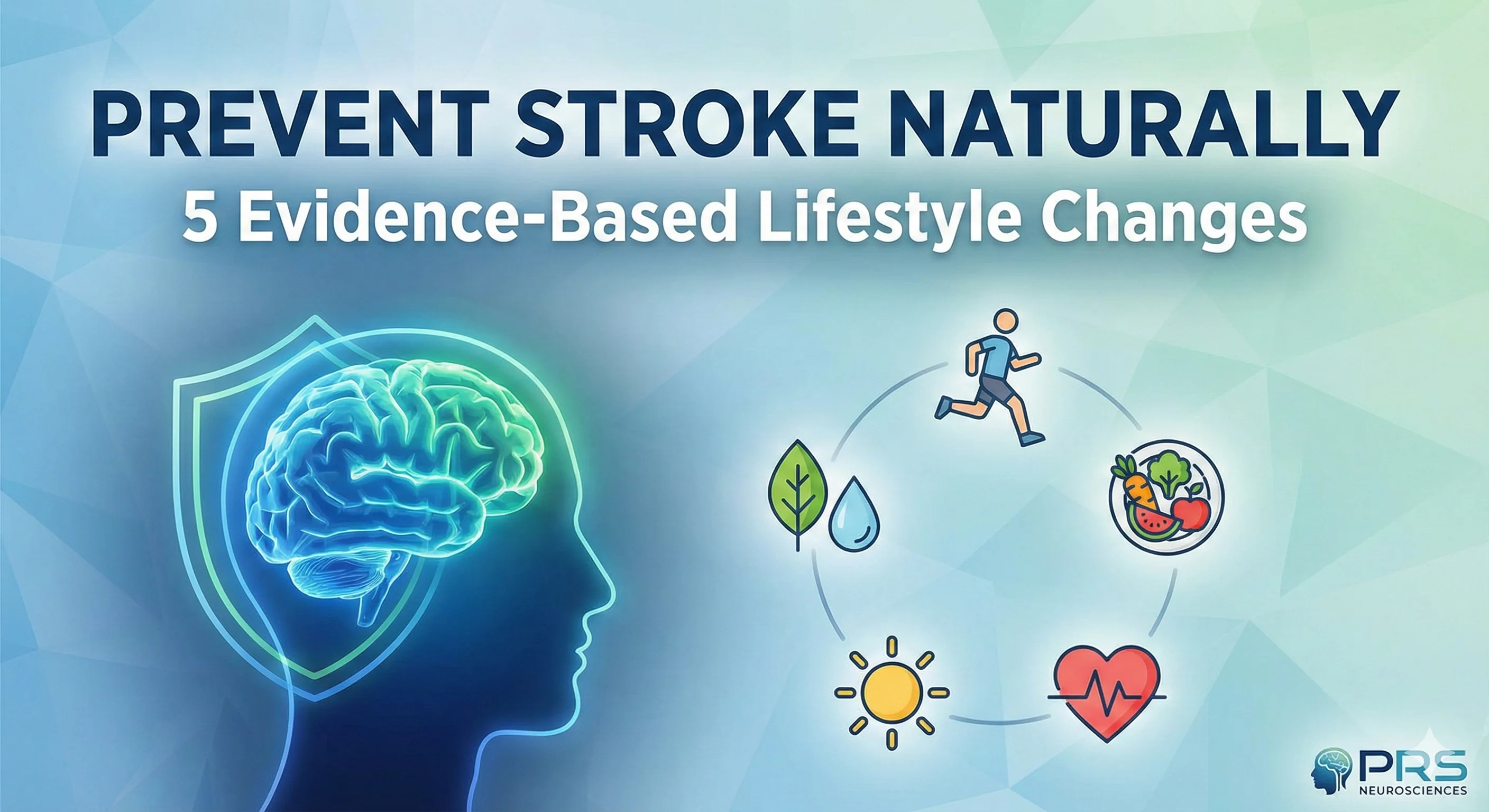
Stroke is one of the leading causes of death and disability worldwide, yet most people don't realize that the majority of strokes are entirely preventable through natural, evidence-based lifestyle changes. Approximately 90% of strokes can be explained by modifiable risk factors—conditions and behaviors you can influence through your daily choices. Rather than waiting for medical intervention, you can take control of your neurological health today by implementing the evidence-based lifestyle modifications discussed in this comprehensive guide.
The revolutionary finding that most strokes are preventable comes from decades of epidemiological research following hundreds of thousands of participants. This guide explores the natural approaches that have consistently demonstrated the power to dramatically reduce your brain attack risk.
The Five Pillars of Natural Stroke Prevention
Extensive research has identified five fundamental lifestyle factors that, when maintained together, can reduce stroke risk by an astounding 70-80%. These aren't complicated interventions—they're accessible behaviors that align with what we understand about how the human body functions optimally.
The five pillars are: maintaining a healthy body weight, exercising regularly, adopting a heart-healthy diet, never smoking, and consuming alcohol only in moderation. When individuals practice all five factors, their stroke risk reduction is far more impressive than any single intervention alone. This synergistic effect demonstrates that natural stroke prevention works best when you address multiple risk factors simultaneously rather than focusing narrowly on one aspect of health.
Weight Management: Achieving Your Healthy BMI
Body mass index plays a critical role in stroke prevention that often gets overlooked. Excess weight creates a cascade of physiological problems that increase stroke risk: it elevates blood pressure, impairs glucose metabolism, raises cholesterol levels, and promotes chronic inflammation throughout the body. Each of these mechanisms independently increases stroke risk, and excess weight typically creates several simultaneously.
The evidence consistently demonstrates that maintaining a BMI below 25 kg/m² provides substantial stroke protection. A BMI between 25 and 29.9 indicates overweight status, while 30 or higher represents obesity. For individuals carrying excess weight, even modest weight loss—as little as 5-10% of body weight—produces meaningful improvements in blood pressure, cholesterol, and glucose metabolism.
Weight reduction naturally achieved through dietary changes and increased physical activity is more sustainable than yo-yo dieting or dramatic interventions. The goal isn't perfection but rather creating lasting habits that keep your weight in a healthy range. This typically involves eating slightly fewer calories than you burn while prioritizing whole, nutrient-dense foods. Because weight management supports multiple cardiovascular and neurological health outcomes simultaneously, it represents one of the most efficient natural prevention strategies available.
For individuals with diabetes, maintaining a healthy weight becomes even more critical since diabetes itself significantly increases stroke risk. Weight management through lifestyle change improves insulin sensitivity and glucose control, thereby reducing this important risk factor.
Exercise: Building Natural Brain Protection
Regular physical activity is perhaps the most powerful natural intervention for stroke prevention, yet it remains underutilized. Exercise works through multiple mechanisms simultaneously: it lowers blood pressure, improves cholesterol profiles, enhances glucose control, supports weight management, reduces inflammation, and improves blood vessel function.
Current evidence-based recommendations suggest at least 150 minutes per week of moderate-intensity aerobic activity. This might be achieved through brisk walking, cycling, swimming, jogging, or any activity that elevates your heart rate. The key is consistency—spreading activity throughout the week rather than attempting sporadic intense sessions.
For those unable to commit to 150 minutes weekly, even 30 minutes of moderate activity five times weekly provides substantial protection. Research demonstrates that individuals exercising regularly show more than 25% reduction in stroke risk compared to sedentary individuals. The physiological mechanisms are well-understood: exercise strengthens the heart, improves blood vessel elasticity, reduces clot formation tendency, and enhances the body's ability to regulate blood pressure and glucose.
Complementing aerobic activity with muscle-strengthening exercises two days weekly adds additional benefits. Building lean muscle mass improves metabolic health and supports long-term weight maintenance. Simple resistance activities like weight lifting, bodyweight exercises, yoga, or even gardening can provide these benefits.
The beauty of exercise for stroke prevention is that it improves neurological health through multiple simultaneous pathways. Someone exercising regularly isn't just reducing blood pressure—they're simultaneously improving cholesterol, managing weight, enhancing sleep quality, reducing stress, and promoting optimal brain blood flow.
Nutrition: Eating Your Way to Brain Health
Your dietary choices profoundly influence stroke risk through their effects on blood vessel health, inflammation, blood pressure, and cholesterol. The evidence overwhelmingly supports eating patterns that emphasize whole foods, abundant vegetables and fruits, whole grains, lean proteins, and healthy fats while minimizing processed foods, excess sodium, and added sugars.
The Mediterranean diet has demonstrated exceptional stroke prevention effectiveness, with studies showing relative risk reduction among adherents. This eating pattern emphasizes vegetables, fruits, whole grains, legumes, nuts, and olive oil while limiting red meat and processed foods. The DASH (Dietary Approaches to Stop Hypertension) diet similarly shows powerful stroke prevention benefits. Both diets share common elements: abundant plant foods, minimal processing, and attention to healthy fat sources.
The mechanisms through which diet affects stroke risk are multiple. Foods rich in potassium help regulate blood pressure. Dietary fiber from whole grains and vegetables improves cholesterol profiles and metabolic health. Omega-3 fatty acids from fish and plant sources reduce inflammation and improve blood vessel function. Antioxidants from colorful vegetables and fruits protect blood vessels from damage. Conversely, excess sodium increases blood pressure, trans fats promote atherosclerosis, and added sugars impair glucose control and promote weight gain.
Practical dietary modifications for stroke prevention include filling half your plate with vegetables and fruits at each meal, switching to whole grains instead of refined carbohydrates, consuming fatty fish like salmon or sardines at least twice weekly, using olive oil as your primary fat source, limiting red meat to a few times weekly, and dramatically reducing processed foods and sugary beverages.
The sodium content of modern diets deserves particular attention because excess sodium directly elevates blood pressure in many individuals. Moving from processed food-dependent eating to home-prepared meals from whole ingredients typically reduces sodium intake by 50-75% while simultaneously improving other nutritional parameters.
Research from large prospective studies demonstrates that individuals with the highest diet quality scores combined with other healthy lifestyle factors reduce their stroke risk by more than half compared to those with poor dietary patterns. These findings apply across diverse populations, suggesting that this natural prevention strategy works universally.
Smoking Cessation: Breaking the Strongest Single Risk Factor
Smoking dramatically and directly increases stroke risk through multiple mechanisms. Cigarette smoke damages blood vessel linings, promotes atherosclerosis development, increases inflammation throughout the body, elevates blood pressure, and most importantly, dramatically increases the tendency for blood clots to form. Smokers face two to four times higher stroke risk than never smokers.
Yet the remarkable finding is that smoking cessation produces relatively rapid stroke risk reduction. Research demonstrates that individuals who quit smoking show stroke risk approaching that of never smokers within 2-4 weeks of cessation as the prothrombotic (clot-promoting) effects of smoking diminish. This means that unlike some health improvements requiring years to manifest, quitting smoking provides stroke protection starting almost immediately.
For individuals who have already experienced a stroke, continuing to smoke doubles their mortality risk compared to former or never smokers. This underscores how critically important smoking cessation becomes once stroke risk becomes apparent.
The evidence supporting smoking cessation for natural stroke prevention is among the strongest in all of preventive health. For smokers, quitting represents the single most impactful health behavior change possible for reducing stroke risk. If you smoke, discussing cessation strategies with your healthcare provider—including counseling, medication, and behavioral support—should be your highest health priority.
Moderate Alcohol Consumption: Finding the Right Balance
The relationship between alcohol and stroke risk follows a J-shaped curve: moderate consumption carries lower risk than both abstinence and heavy consumption. The evidence supports limiting alcohol to no more than two drinks daily for men and one drink daily for women.
Heavy drinking and binge drinking substantially increase stroke risk through multiple mechanisms including elevated blood pressure, impaired glucose metabolism, increased inflammation, and enhanced blood clot formation. In contrast, moderate consumption may have protective effects through its impact on cholesterol profiles and blood vessel function.
The key for stroke prevention is avoiding excess alcohol while potentially enjoying moderate consumption as part of a healthy lifestyle. For individuals with hypertension or other stroke risk factors, minimizing alcohol consumption to moderate levels (or eliminating it entirely) represents an important natural prevention strategy.
Sleep Quality: A Neglected Prevention Factor
Sleep quality and duration significantly influence stroke risk through their effects on blood pressure regulation, sympathetic nervous system activity, inflammation, and endothelial function. Short sleep duration—fewer than 5-6 hours nightly—reliably predicts increased stroke risk, while sleep disorders like obstructive sleep apnea independently elevate stroke risk.
Natural sleep improvement strategies include maintaining a consistent sleep schedule by going to bed and waking at the same time daily, creating a dark, cool, quiet sleep environment, avoiding screens and stimulating activities in the hours before sleep, limiting caffeine consumption (especially in the afternoon), engaging in daytime physical activity (but not close to bedtime), and practicing relaxation techniques like meditation or deep breathing.
Adequate sleep—typically 7-9 hours nightly—supports optimal blood pressure regulation, reduces sympathetic nervous system activation, and promotes inflammatory resolution. Sleep represents one of the most underappreciated natural interventions for stroke prevention, yet improving sleep quality often produces meaningful reductions in stroke risk markers like blood pressure and inflammatory mediators.
Stress Reduction: Calming Your Nervous System
Chronic psychological stress contributes to elevated blood pressure, promotes inflammation, increases cortisol production, and impairs blood vessel function. These physiological changes accumulate to increase stroke risk over time. Additionally, stress-related behaviors like poor eating, reduced physical activity, and inadequate sleep further amplify stroke risk.
Natural stress reduction techniques demonstrated to improve cardiovascular and neurological health include meditation, deep breathing exercises, yoga, tai chi, progressive muscle relaxation, and spending time in nature. Even brief daily practices—10-15 minutes of meditation or deep breathing—produce measurable improvements in blood pressure and stress hormone levels.
The mechanisms through which stress reduction prevents stroke are both direct (improved blood vessel function, reduced inflammation, better blood pressure control) and indirect (improved sleep, better dietary choices, increased physical activity). Incorporating stress management into your daily routine represents a natural, evidence-based stroke prevention strategy with additional benefits for mental health and overall quality of life.
Creating Your Natural Prevention Program
The most powerful stroke prevention emerges from simultaneously addressing multiple risk factors rather than focusing narrowly on any single intervention. Research demonstrates that individuals who maintain healthy lifestyle patterns across multiple domains experience stroke risk reductions of 70-80% compared to those neglecting these factors.
Beginning your natural stroke prevention program doesn't require perfection or dramatic life changes. Instead, identify one or two areas where improvement feels most accessible, implement sustainable changes, then gradually add additional lifestyle modifications. Most people find that once they begin exercising regularly, dietary improvements become easier. As eating patterns improve, sleep quality often improves. This positive momentum creates an upward spiral of health improvements.
Start this week by assessing your current status across the five pillars: weight management, regular exercise, healthy diet, smoking status, and alcohol consumption. Which areas represent your greatest challenges? Where can you make one meaningful change immediately? Choose that single area, commit to a specific behavior change, and track your progress for one month.
As this change becomes established, add a second modification. Building gradually creates sustainable lifestyle change far more effectively than attempting wholesale transformation overnight.
The Path Forward
The evidence consistently demonstrates that natural stroke prevention through lifestyle modification is remarkably effective. The same behavioral changes that reduce stroke risk also improve diabetes, heart disease, cognitive decline, and overall longevity. By investing in your brain health through evidence-based lifestyle changes, you're not merely reducing stroke risk—you're enhancing your overall health trajectory.
Your neurological future isn't predetermined by genetics or age. It's shaped largely by the daily choices you make regarding movement, nutrition, sleep, stress management, and substance use. Start today by implementing one evidence-based lifestyle change. Your brain will thank you with decades of optimal function and protection against this devastating but highly preventable condition.
Stroke is one of the leading causes of death and disability worldwide, yet most people don't realize that the majority of strokes are entirely preventable through natural, evidence-based lifestyle changes. Approximately 90% of strokes can be explained by modifiable risk factors—conditions and behaviors you can influence through your daily choices. Rather than waiting for medical intervention, you can take control of your neurological health today by implementing the evidence-based lifestyle modifications discussed in this comprehensive guide.
The revolutionary finding that most strokes are preventable comes from decades of epidemiological research following hundreds of thousands of participants. This guide explores the natural approaches that have consistently demonstrated the power to dramatically reduce your brain attack risk.
The Five Pillars of Natural Stroke Prevention
Extensive research has identified five fundamental lifestyle factors that, when maintained together, can reduce stroke risk by an astounding 70-80%. These aren't complicated interventions—they're accessible behaviors that align with what we understand about how the human body functions optimally.
The five pillars are: maintaining a healthy body weight, exercising regularly, adopting a heart-healthy diet, never smoking, and consuming alcohol only in moderation. When individuals practice all five factors, their stroke risk reduction is far more impressive than any single intervention alone. This synergistic effect demonstrates that natural stroke prevention works best when you address multiple risk factors simultaneously rather than focusing narrowly on one aspect of health.
Weight Management: Achieving Your Healthy BMI
Body mass index plays a critical role in stroke prevention that often gets overlooked. Excess weight creates a cascade of physiological problems that increase stroke risk: it elevates blood pressure, impairs glucose metabolism, raises cholesterol levels, and promotes chronic inflammation throughout the body. Each of these mechanisms independently increases stroke risk, and excess weight typically creates several simultaneously.
The evidence consistently demonstrates that maintaining a BMI below 25 kg/m² provides substantial stroke protection. A BMI between 25 and 29.9 indicates overweight status, while 30 or higher represents obesity. For individuals carrying excess weight, even modest weight loss—as little as 5-10% of body weight—produces meaningful improvements in blood pressure, cholesterol, and glucose metabolism.
Weight reduction naturally achieved through dietary changes and increased physical activity is more sustainable than yo-yo dieting or dramatic interventions. The goal isn't perfection but rather creating lasting habits that keep your weight in a healthy range. This typically involves eating slightly fewer calories than you burn while prioritizing whole, nutrient-dense foods. Because weight management supports multiple cardiovascular and neurological health outcomes simultaneously, it represents one of the most efficient natural prevention strategies available.
For individuals with diabetes, maintaining a healthy weight becomes even more critical since diabetes itself significantly increases stroke risk. Weight management through lifestyle change improves insulin sensitivity and glucose control, thereby reducing this important risk factor.
Exercise: Building Natural Brain Protection
Regular physical activity is perhaps the most powerful natural intervention for stroke prevention, yet it remains underutilized. Exercise works through multiple mechanisms simultaneously: it lowers blood pressure, improves cholesterol profiles, enhances glucose control, supports weight management, reduces inflammation, and improves blood vessel function.
Current evidence-based recommendations suggest at least 150 minutes per week of moderate-intensity aerobic activity. This might be achieved through brisk walking, cycling, swimming, jogging, or any activity that elevates your heart rate. The key is consistency—spreading activity throughout the week rather than attempting sporadic intense sessions.
For those unable to commit to 150 minutes weekly, even 30 minutes of moderate activity five times weekly provides substantial protection. Research demonstrates that individuals exercising regularly show more than 25% reduction in stroke risk compared to sedentary individuals. The physiological mechanisms are well-understood: exercise strengthens the heart, improves blood vessel elasticity, reduces clot formation tendency, and enhances the body's ability to regulate blood pressure and glucose.
Complementing aerobic activity with muscle-strengthening exercises two days weekly adds additional benefits. Building lean muscle mass improves metabolic health and supports long-term weight maintenance. Simple resistance activities like weight lifting, bodyweight exercises, yoga, or even gardening can provide these benefits.
The beauty of exercise for stroke prevention is that it improves neurological health through multiple simultaneous pathways. Someone exercising regularly isn't just reducing blood pressure—they're simultaneously improving cholesterol, managing weight, enhancing sleep quality, reducing stress, and promoting optimal brain blood flow.
Nutrition: Eating Your Way to Brain Health
Your dietary choices profoundly influence stroke risk through their effects on blood vessel health, inflammation, blood pressure, and cholesterol. The evidence overwhelmingly supports eating patterns that emphasize whole foods, abundant vegetables and fruits, whole grains, lean proteins, and healthy fats while minimizing processed foods, excess sodium, and added sugars.
The Mediterranean diet has demonstrated exceptional stroke prevention effectiveness, with studies showing relative risk reduction among adherents. This eating pattern emphasizes vegetables, fruits, whole grains, legumes, nuts, and olive oil while limiting red meat and processed foods. The DASH (Dietary Approaches to Stop Hypertension) diet similarly shows powerful stroke prevention benefits. Both diets share common elements: abundant plant foods, minimal processing, and attention to healthy fat sources.
The mechanisms through which diet affects stroke risk are multiple. Foods rich in potassium help regulate blood pressure. Dietary fiber from whole grains and vegetables improves cholesterol profiles and metabolic health. Omega-3 fatty acids from fish and plant sources reduce inflammation and improve blood vessel function. Antioxidants from colorful vegetables and fruits protect blood vessels from damage. Conversely, excess sodium increases blood pressure, trans fats promote atherosclerosis, and added sugars impair glucose control and promote weight gain.
Practical dietary modifications for stroke prevention include filling half your plate with vegetables and fruits at each meal, switching to whole grains instead of refined carbohydrates, consuming fatty fish like salmon or sardines at least twice weekly, using olive oil as your primary fat source, limiting red meat to a few times weekly, and dramatically reducing processed foods and sugary beverages.
The sodium content of modern diets deserves particular attention because excess sodium directly elevates blood pressure in many individuals. Moving from processed food-dependent eating to home-prepared meals from whole ingredients typically reduces sodium intake by 50-75% while simultaneously improving other nutritional parameters.
Research from large prospective studies demonstrates that individuals with the highest diet quality scores combined with other healthy lifestyle factors reduce their stroke risk by more than half compared to those with poor dietary patterns. These findings apply across diverse populations, suggesting that this natural prevention strategy works universally.
Smoking Cessation: Breaking the Strongest Single Risk Factor
Smoking dramatically and directly increases stroke risk through multiple mechanisms. Cigarette smoke damages blood vessel linings, promotes atherosclerosis development, increases inflammation throughout the body, elevates blood pressure, and most importantly, dramatically increases the tendency for blood clots to form. Smokers face two to four times higher stroke risk than never smokers.
Yet the remarkable finding is that smoking cessation produces relatively rapid stroke risk reduction. Research demonstrates that individuals who quit smoking show stroke risk approaching that of never smokers within 2-4 weeks of cessation as the prothrombotic (clot-promoting) effects of smoking diminish. This means that unlike some health improvements requiring years to manifest, quitting smoking provides stroke protection starting almost immediately.
For individuals who have already experienced a stroke, continuing to smoke doubles their mortality risk compared to former or never smokers. This underscores how critically important smoking cessation becomes once stroke risk becomes apparent.
The evidence supporting smoking cessation for natural stroke prevention is among the strongest in all of preventive health. For smokers, quitting represents the single most impactful health behavior change possible for reducing stroke risk. If you smoke, discussing cessation strategies with your healthcare provider—including counseling, medication, and behavioral support—should be your highest health priority.
Moderate Alcohol Consumption: Finding the Right Balance
The relationship between alcohol and stroke risk follows a J-shaped curve: moderate consumption carries lower risk than both abstinence and heavy consumption. The evidence supports limiting alcohol to no more than two drinks daily for men and one drink daily for women.
Heavy drinking and binge drinking substantially increase stroke risk through multiple mechanisms including elevated blood pressure, impaired glucose metabolism, increased inflammation, and enhanced blood clot formation. In contrast, moderate consumption may have protective effects through its impact on cholesterol profiles and blood vessel function.
The key for stroke prevention is avoiding excess alcohol while potentially enjoying moderate consumption as part of a healthy lifestyle. For individuals with hypertension or other stroke risk factors, minimizing alcohol consumption to moderate levels (or eliminating it entirely) represents an important natural prevention strategy.
Sleep Quality: A Neglected Prevention Factor
Sleep quality and duration significantly influence stroke risk through their effects on blood pressure regulation, sympathetic nervous system activity, inflammation, and endothelial function. Short sleep duration—fewer than 5-6 hours nightly—reliably predicts increased stroke risk, while sleep disorders like obstructive sleep apnea independently elevate stroke risk.
Natural sleep improvement strategies include maintaining a consistent sleep schedule by going to bed and waking at the same time daily, creating a dark, cool, quiet sleep environment, avoiding screens and stimulating activities in the hours before sleep, limiting caffeine consumption (especially in the afternoon), engaging in daytime physical activity (but not close to bedtime), and practicing relaxation techniques like meditation or deep breathing.
Adequate sleep—typically 7-9 hours nightly—supports optimal blood pressure regulation, reduces sympathetic nervous system activation, and promotes inflammatory resolution. Sleep represents one of the most underappreciated natural interventions for stroke prevention, yet improving sleep quality often produces meaningful reductions in stroke risk markers like blood pressure and inflammatory mediators.
Stress Reduction: Calming Your Nervous System
Chronic psychological stress contributes to elevated blood pressure, promotes inflammation, increases cortisol production, and impairs blood vessel function. These physiological changes accumulate to increase stroke risk over time. Additionally, stress-related behaviors like poor eating, reduced physical activity, and inadequate sleep further amplify stroke risk.
Natural stress reduction techniques demonstrated to improve cardiovascular and neurological health include meditation, deep breathing exercises, yoga, tai chi, progressive muscle relaxation, and spending time in nature. Even brief daily practices—10-15 minutes of meditation or deep breathing—produce measurable improvements in blood pressure and stress hormone levels.
The mechanisms through which stress reduction prevents stroke are both direct (improved blood vessel function, reduced inflammation, better blood pressure control) and indirect (improved sleep, better dietary choices, increased physical activity). Incorporating stress management into your daily routine represents a natural, evidence-based stroke prevention strategy with additional benefits for mental health and overall quality of life.
Creating Your Natural Prevention Program
The most powerful stroke prevention emerges from simultaneously addressing multiple risk factors rather than focusing narrowly on any single intervention. Research demonstrates that individuals who maintain healthy lifestyle patterns across multiple domains experience stroke risk reductions of 70-80% compared to those neglecting these factors.
Beginning your natural stroke prevention program doesn't require perfection or dramatic life changes. Instead, identify one or two areas where improvement feels most accessible, implement sustainable changes, then gradually add additional lifestyle modifications. Most people find that once they begin exercising regularly, dietary improvements become easier. As eating patterns improve, sleep quality often improves. This positive momentum creates an upward spiral of health improvements.
Start this week by assessing your current status across the five pillars: weight management, regular exercise, healthy diet, smoking status, and alcohol consumption. Which areas represent your greatest challenges? Where can you make one meaningful change immediately? Choose that single area, commit to a specific behavior change, and track your progress for one month.
As this change becomes established, add a second modification. Building gradually creates sustainable lifestyle change far more effectively than attempting wholesale transformation overnight.
The Path Forward
The evidence consistently demonstrates that natural stroke prevention through lifestyle modification is remarkably effective. The same behavioral changes that reduce stroke risk also improve diabetes, heart disease, cognitive decline, and overall longevity. By investing in your brain health through evidence-based lifestyle changes, you're not merely reducing stroke risk—you're enhancing your overall health trajectory.
Your neurological future isn't predetermined by genetics or age. It's shaped largely by the daily choices you make regarding movement, nutrition, sleep, stress management, and substance use. Start today by implementing one evidence-based lifestyle change. Your brain will thank you with decades of optimal function and protection against this devastating but highly preventable condition.
ಚಂದಾ ನಮ್ಮ ನ್ಯೂಸ್ಲೆಟರ್ ಗೆ
