
Manage Parkinson's Naturally: Holistic Symptom Relief
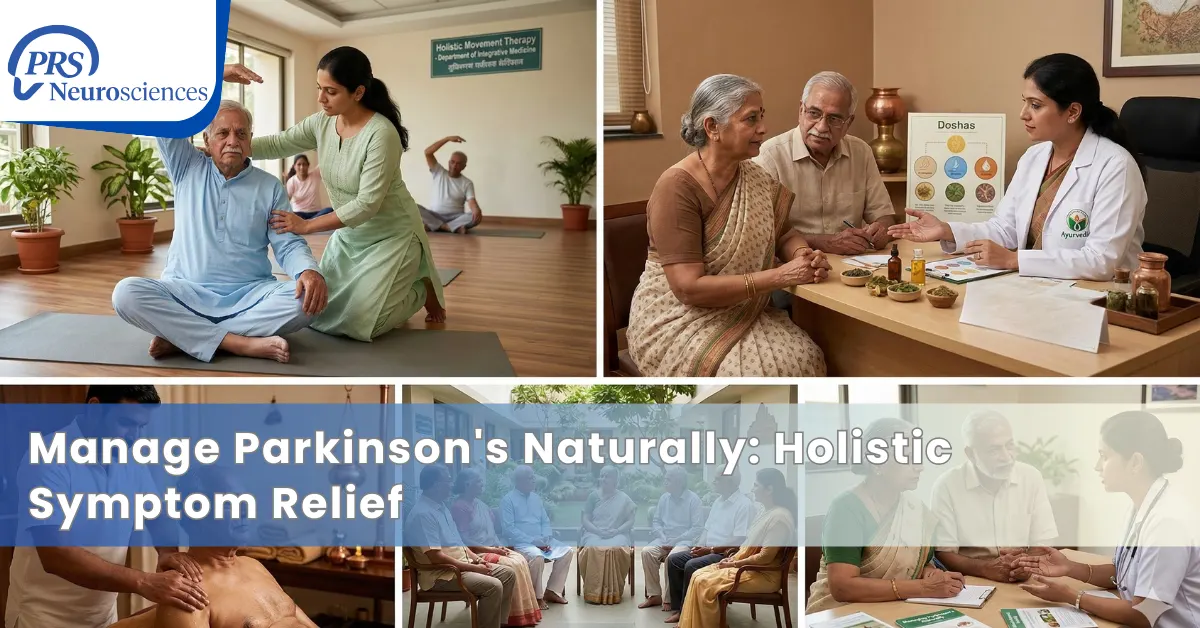
Receiving a diagnosis of Parkinson’s Disease (PD) often feels like standing at the base of a formidable mountain. While the medical community has made incredible strides with pharmacological interventions like Levadopa, many individuals find themselves searching for more. They seek a way to reclaim agency over their bodies, to soften the edges of their symptoms, and to enhance their quality of life through holistic means.
Learning how to manage Parkinson’s disease symptoms naturally is not about replacing traditional medicine; it is about building a robust, multi-dimensional framework for living well. By integrating specific nutritional strategies, targeted physical activities, and mindful lifestyle adjustments, you can create a comprehensive "toolkit" for neuroprotection and symptom management.
The Foundation: Why a Holistic Approach Matters
Parkinson’s is a neurodegenerative disorder primarily characterized by the loss of dopamine-producing neurons in the brain. While the "Big Four" symptoms—tremor, rigidity, bradykinesia (slowness of movement), and postural instability—are well-known, the condition also affects sleep, mood, and digestion.
A natural approach focuses on neuroplasticity—the brain’s ability to reorganize itself by forming new neural connections. By feeding the body the right fuel and challenging the nervous system with specific movements, we can potentially slow the progression of symptoms and improve daily functioning.
1. Fueling the Brain: Nutritional Strategies for Parkinson’s
The gut-brain axis is nowhere more evident than in Parkinson’s disease. Many researchers now believe that PD may actually begin in the enteric nervous system (the "brain in the gut"). Therefore, what you put on your plate is your first line of defense.
The Power of the Mediterranean Diet
The Mediterranean diet is frequently cited as the gold standard for Parkinson’s natural treatment. Rich in fruits, vegetables, whole grains, and healthy fats, this eating pattern reduces systemic inflammation—a key driver of neurodegeneration.
Antioxidant-Rich Foods: Focus on "eating the rainbow." Blueberries, spinach, kale, and bell peppers are packed with flavonoids that protect neurons from oxidative stress.
Healthy Fats: Omega-3 fatty acids found in walnuts, flaxseeds, and fatty fish (like salmon) are essential for maintaining the integrity of brain cell membranes.
Managing the "Protein Effect"
For those taking Carbidopa-Levodopa, protein timing is crucial. Amino acids from protein can compete with the medication for absorption in the small intestine.
The Strategy: Try to consume the majority of your protein during your evening meal. Focus on complex carbohydrates and vegetables during the day to ensure your medication remains effective when you are most active.
Prioritizing Fiber and Hydration
Constipation is one of the most common non-motor symptoms of PD. Increasing fiber intake through beans, lentils, and whole grains, paired with at least 8 glasses of water a day, is vital for maintaining digestive regularity and ensuring the body detoxifies efficiently.
2. Movement as Medicine: Physical Therapy and Exercise
If there were a "magic pill" for Parkinson’s, it would be exercise. Physical activity is the only intervention currently shown to potentially slow the clinical progression of the disease.
Forced Intense Exercise
The concept of "forced" exercise—pushing yourself harder than your "leisurely" pace—has been shown to improve motor function. This includes:
Cycling: High-cadence cycling (80-90 RPM) can help "reset" the brain’s motor circuits.
Boxing (non-contact): Programs like Rock Steady Boxing focus on agility, hand-eye coordination, and "big" movements, which counteract the tendency toward small, cramped motions.
Balance and Flexibility: Yoga and Tai Chi
To manage the risk of falls and rigidity, natural remedies for Parkinson's must include balance training.
Tai Chi: This "meditation in motion" improves postural stability and reduces the fear of falling.
Yoga: Specific poses can help stretch tight muscles and improve chest expansion, which is often restricted in PD patients.
3. Supplementation and Herbal Support
While supplements should always be discussed with a neurologist, several natural compounds have shown promise in supporting mitochondrial health and reducing inflammation.
Coenzyme Q10 (CoQ10)
CoQ10 is a powerful antioxidant that plays a critical role in mitochondrial energy production. Some studies suggest that high doses may support brain health in the early stages of PD.
Curcumin (Turmeric)
Curcumin is the active compound in turmeric, known for its potent anti-inflammatory properties. Because inflammation is a hallmark of Parkinson's, adding turmeric to your diet or taking a high-quality supplement may help protect neurons.
Magnesium
Magnesium is essential for muscle relaxation. Many people with PD suffer from painful muscle cramps or "off-period" dystonia; magnesium (especially in the form of Magnesium Glycinate) can help soothe these symptoms and improve sleep quality.
4. Managing Non-Motor Symptoms Naturally
Parkinson’s is more than just a movement disorder. Addressing the "hidden" symptoms is key to a high quality of life.
Sleep Hygiene
Poor sleep can exacerbate tremors and cognitive fog. To improve sleep naturally:
Establish a consistent "wind-down" routine.
Avoid blue light from screens an hour before bed.
Consider Melatonin, which not only regulates sleep but may also have neuroprotective qualities.
Mental Health and Mindfulness
Anxiety and depression are physiological symptoms of PD, not just reactions to the diagnosis.
Meditation: Daily mindfulness practice can lower cortisol levels and help manage the "internal tremors" often felt during stressful moments.
Social Connection: Isolation is a major risk factor for cognitive decline. Engaging in support groups or community hobbies provides the "social dopamine" necessary for emotional resilience.
5. Environmental Factors and Detoxification
Our environment plays a significant role in neurological health. Reducing the toxic load on your body can free up resources for repair and maintenance.
Avoid Pesticides: There is a documented link between certain pesticides and Parkinson’s. Choose organic produce whenever possible and avoid using chemical herbicides in your garden.
Filtered Water: Ensure your drinking water is free from heavy metals and toxins by using a high-quality filtration system.
Green Tea: Drinking 2-3 cups of green tea daily provides EGCG, a polyphenol that has shown the ability to inhibit the misfolding of proteins in the brain.
6. The Importance of a Structured Routine
Living with Parkinson's requires a level of discipline that can feel daunting. However, a structured routine reduces the "decision fatigue" that often plagues those with neurological conditions.
Time of Day | Action Item | Benefit |
Morning | 10 mins of Stretching + Hydration | Reduces morning rigidity and flushes toxins. |
Mid-Day | High-intensity walk or Boxing | Boosts dopamine and improves gait. |
Afternoon | Mindfulness/Meditation | Calms the nervous system and reduces tremors. |
Evening | Protein-rich meal + Magnesium | Supports muscle repair and promotes deep sleep. |
Summary: A Journey of Small Wins
Managing Parkinson’s disease symptoms naturally is not about finding a single "cure-all." It is about the cumulative effect of small, intentional choices. It is the decision to choose berries over processed sugar, to walk for twenty minutes even when you feel slow, and to practice deep breathing when the tremors increase.
By focusing on neuroprotection, anti-inflammatory nutrition, and purposeful movement, you are not just managing a disease—you are actively participating in your own healing process. Remember, your diagnosis is a chapter in your story, not the entire book. With a holistic mindset, you can navigate this journey with grace, strength, and a high quality of life.
Receiving a diagnosis of Parkinson’s Disease (PD) often feels like standing at the base of a formidable mountain. While the medical community has made incredible strides with pharmacological interventions like Levadopa, many individuals find themselves searching for more. They seek a way to reclaim agency over their bodies, to soften the edges of their symptoms, and to enhance their quality of life through holistic means.
Learning how to manage Parkinson’s disease symptoms naturally is not about replacing traditional medicine; it is about building a robust, multi-dimensional framework for living well. By integrating specific nutritional strategies, targeted physical activities, and mindful lifestyle adjustments, you can create a comprehensive "toolkit" for neuroprotection and symptom management.
The Foundation: Why a Holistic Approach Matters
Parkinson’s is a neurodegenerative disorder primarily characterized by the loss of dopamine-producing neurons in the brain. While the "Big Four" symptoms—tremor, rigidity, bradykinesia (slowness of movement), and postural instability—are well-known, the condition also affects sleep, mood, and digestion.
A natural approach focuses on neuroplasticity—the brain’s ability to reorganize itself by forming new neural connections. By feeding the body the right fuel and challenging the nervous system with specific movements, we can potentially slow the progression of symptoms and improve daily functioning.
1. Fueling the Brain: Nutritional Strategies for Parkinson’s
The gut-brain axis is nowhere more evident than in Parkinson’s disease. Many researchers now believe that PD may actually begin in the enteric nervous system (the "brain in the gut"). Therefore, what you put on your plate is your first line of defense.
The Power of the Mediterranean Diet
The Mediterranean diet is frequently cited as the gold standard for Parkinson’s natural treatment. Rich in fruits, vegetables, whole grains, and healthy fats, this eating pattern reduces systemic inflammation—a key driver of neurodegeneration.
Antioxidant-Rich Foods: Focus on "eating the rainbow." Blueberries, spinach, kale, and bell peppers are packed with flavonoids that protect neurons from oxidative stress.
Healthy Fats: Omega-3 fatty acids found in walnuts, flaxseeds, and fatty fish (like salmon) are essential for maintaining the integrity of brain cell membranes.
Managing the "Protein Effect"
For those taking Carbidopa-Levodopa, protein timing is crucial. Amino acids from protein can compete with the medication for absorption in the small intestine.
The Strategy: Try to consume the majority of your protein during your evening meal. Focus on complex carbohydrates and vegetables during the day to ensure your medication remains effective when you are most active.
Prioritizing Fiber and Hydration
Constipation is one of the most common non-motor symptoms of PD. Increasing fiber intake through beans, lentils, and whole grains, paired with at least 8 glasses of water a day, is vital for maintaining digestive regularity and ensuring the body detoxifies efficiently.
2. Movement as Medicine: Physical Therapy and Exercise
If there were a "magic pill" for Parkinson’s, it would be exercise. Physical activity is the only intervention currently shown to potentially slow the clinical progression of the disease.
Forced Intense Exercise
The concept of "forced" exercise—pushing yourself harder than your "leisurely" pace—has been shown to improve motor function. This includes:
Cycling: High-cadence cycling (80-90 RPM) can help "reset" the brain’s motor circuits.
Boxing (non-contact): Programs like Rock Steady Boxing focus on agility, hand-eye coordination, and "big" movements, which counteract the tendency toward small, cramped motions.
Balance and Flexibility: Yoga and Tai Chi
To manage the risk of falls and rigidity, natural remedies for Parkinson's must include balance training.
Tai Chi: This "meditation in motion" improves postural stability and reduces the fear of falling.
Yoga: Specific poses can help stretch tight muscles and improve chest expansion, which is often restricted in PD patients.
3. Supplementation and Herbal Support
While supplements should always be discussed with a neurologist, several natural compounds have shown promise in supporting mitochondrial health and reducing inflammation.
Coenzyme Q10 (CoQ10)
CoQ10 is a powerful antioxidant that plays a critical role in mitochondrial energy production. Some studies suggest that high doses may support brain health in the early stages of PD.
Curcumin (Turmeric)
Curcumin is the active compound in turmeric, known for its potent anti-inflammatory properties. Because inflammation is a hallmark of Parkinson's, adding turmeric to your diet or taking a high-quality supplement may help protect neurons.
Magnesium
Magnesium is essential for muscle relaxation. Many people with PD suffer from painful muscle cramps or "off-period" dystonia; magnesium (especially in the form of Magnesium Glycinate) can help soothe these symptoms and improve sleep quality.
4. Managing Non-Motor Symptoms Naturally
Parkinson’s is more than just a movement disorder. Addressing the "hidden" symptoms is key to a high quality of life.
Sleep Hygiene
Poor sleep can exacerbate tremors and cognitive fog. To improve sleep naturally:
Establish a consistent "wind-down" routine.
Avoid blue light from screens an hour before bed.
Consider Melatonin, which not only regulates sleep but may also have neuroprotective qualities.
Mental Health and Mindfulness
Anxiety and depression are physiological symptoms of PD, not just reactions to the diagnosis.
Meditation: Daily mindfulness practice can lower cortisol levels and help manage the "internal tremors" often felt during stressful moments.
Social Connection: Isolation is a major risk factor for cognitive decline. Engaging in support groups or community hobbies provides the "social dopamine" necessary for emotional resilience.
5. Environmental Factors and Detoxification
Our environment plays a significant role in neurological health. Reducing the toxic load on your body can free up resources for repair and maintenance.
Avoid Pesticides: There is a documented link between certain pesticides and Parkinson’s. Choose organic produce whenever possible and avoid using chemical herbicides in your garden.
Filtered Water: Ensure your drinking water is free from heavy metals and toxins by using a high-quality filtration system.
Green Tea: Drinking 2-3 cups of green tea daily provides EGCG, a polyphenol that has shown the ability to inhibit the misfolding of proteins in the brain.
6. The Importance of a Structured Routine
Living with Parkinson's requires a level of discipline that can feel daunting. However, a structured routine reduces the "decision fatigue" that often plagues those with neurological conditions.
Time of Day | Action Item | Benefit |
Morning | 10 mins of Stretching + Hydration | Reduces morning rigidity and flushes toxins. |
Mid-Day | High-intensity walk or Boxing | Boosts dopamine and improves gait. |
Afternoon | Mindfulness/Meditation | Calms the nervous system and reduces tremors. |
Evening | Protein-rich meal + Magnesium | Supports muscle repair and promotes deep sleep. |
Summary: A Journey of Small Wins
Managing Parkinson’s disease symptoms naturally is not about finding a single "cure-all." It is about the cumulative effect of small, intentional choices. It is the decision to choose berries over processed sugar, to walk for twenty minutes even when you feel slow, and to practice deep breathing when the tremors increase.
By focusing on neuroprotection, anti-inflammatory nutrition, and purposeful movement, you are not just managing a disease—you are actively participating in your own healing process. Remember, your diagnosis is a chapter in your story, not the entire book. With a holistic mindset, you can navigate this journey with grace, strength, and a high quality of life.
ಚಂದಾ ನಮ್ಮ ನ್ಯೂಸ್ಲೆಟರ್ ಗೆ
