
Physiotherapy After Stroke: Techniques, Recovery Timeline & Benefits
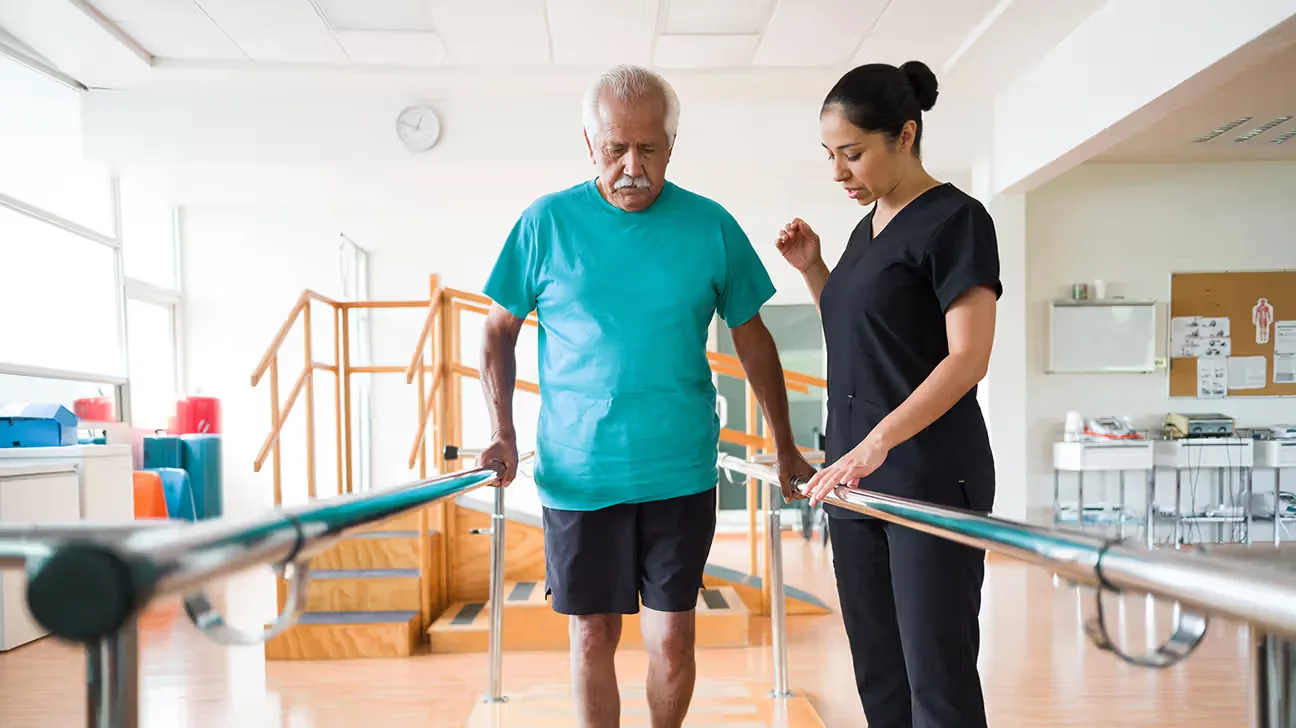
Physiotherapy is a cornerstone of stroke recovery, focusing on restoring movement, balance, and coordination. It utilizes the brain's ability to rewire itself (neuroplasticity) through repetitive, task-specific exercises. Starting as early as 24 hours after a stroke, physiotherapy helps survivors regain independence in daily activities like walking, sitting, and standing.
The Road to Physical Recovery
A stroke often damages the motor cortex, the part of the brain that controls movement. This can lead to paralysis (hemiplegia), weakness (hemiparesis), and loss of balance. Physiotherapy is not just about strengthening muscles; it is about "reteaching" the brain how to control the body.
Goals of Physiotherapy
Regain Mobility: Learning to walk again, often starting with standing and weight-shifting.
Improve Balance: Preventing falls, which are a major risk for stroke survivors.
Reduce Spasticity: Managing stiff, tight muscles that can cause pain and limit movement.
Restore Independence: Enabling the patient to perform activities of daily living (ADLs) like transferring from bed to chair.
Key Techniques in Stroke Physiotherapy
Therapists use various evidence-based techniques tailored to the individual's needs.
1. Biomechanical Approaches
Focus: Impairment correction, muscle strength, joint mobility, posture, and mechanical alignment.
Maintain joint mobility and prevent contractures through ROM exercises.
Strengthen weak muscle groups using resistance and functional strengthening.
Improve postural alignment and trunk stability for better movement control.
Manage spasticity with stretching, positioning, weight-bearing, and orthotic use.
Correct gait mechanics using AFOs, assistive devices, and gait re-education.
Build cardiovascular endurance with aerobic and breathing exercises.
2. Neurodevelopmental Approaches
Focus: Neuroplasticity, motor relearning, normal movement patterns, and sensorimotor integration.
Apply PNF patterns to improve coordination, strength, and motor control.
Enhance sensory-motor integration through tactile, proprioceptive, and vestibular inputs.
Promote neuroplasticity with repetitive motor relearning and facilitation.
Use CIMT, mirror therapy, and mental practice to activate affected limb pathways.
Train balance and postural reactions to improve stability.
3. Functional / Task-Oriented Approaches
Focus: Functional independence, real-life tasks, and goal-directed training.
Train patient on real-life, goal-directed tasks (STS, transfers, reaching).
Practice ADLs like dressing, grooming, feeding, and household activities.
Conduct gait training including over-ground, treadmill, and BWSTT methods.
Apply circuit-based functional strengthening to improve performance.
Integrate community mobility, obstacle negotiation, and dual-task training.
The Timeline of Recovery
Acute Phase (First 24-48 hours): Therapy begins in the hospital bed. Focus is on positioning to prevent bedsores and gentle movement to maintain joint flexibility.
Sub-Acute Phase (Weeks to Months): Intensive rehabilitation begins. This is the "golden window" for neuroplasticity where the most rapid gains are usually seen.
Chronic Phase (Months to Years): Progress may slow, but it does not stop. Maintenance therapy helps preserve gains and can still lead to improvements.
Key Takeaways
Start Early: The sooner therapy begins, the better the outcome.
Repetition is Key: Thousands of repetitions are needed to rewire neural pathways.
Consistency Matters: Daily practice, even at home, is crucial.
It's Never Too Late: Improvements can happen years after a stroke.
Safety First: Fall prevention is a major priority during rehabilitation.
Can better even after years
FAQ
Q: How long does physiotherapy take after a stroke?
A: It varies for everyone. Some may need a few months, while others may require lifelong maintenance therapy.
Q: Can I do physiotherapy at home?
A: Yes, a therapist will usually prescribe a home exercise program. However, it is important to have periodic check-ins with a professional to ensure exercises are done correctly.
Q: What if I have no movement in my arm?
A: Therapists can use techniques like passive range of motion, electrical stimulation, and mental imagery (visualizing the movement) to help stimulate the brain pathways.
Q: Is physiotherapy painful?A: It should not be painful, but it can be tiring and uncomfortable as you stretch tight muscles. Always communicate pain levels to your therapist.
Physiotherapy is a cornerstone of stroke recovery, focusing on restoring movement, balance, and coordination. It utilizes the brain's ability to rewire itself (neuroplasticity) through repetitive, task-specific exercises. Starting as early as 24 hours after a stroke, physiotherapy helps survivors regain independence in daily activities like walking, sitting, and standing.
The Road to Physical Recovery
A stroke often damages the motor cortex, the part of the brain that controls movement. This can lead to paralysis (hemiplegia), weakness (hemiparesis), and loss of balance. Physiotherapy is not just about strengthening muscles; it is about "reteaching" the brain how to control the body.
Goals of Physiotherapy
Regain Mobility: Learning to walk again, often starting with standing and weight-shifting.
Improve Balance: Preventing falls, which are a major risk for stroke survivors.
Reduce Spasticity: Managing stiff, tight muscles that can cause pain and limit movement.
Restore Independence: Enabling the patient to perform activities of daily living (ADLs) like transferring from bed to chair.
Key Techniques in Stroke Physiotherapy
Therapists use various evidence-based techniques tailored to the individual's needs.
1. Biomechanical Approaches
Focus: Impairment correction, muscle strength, joint mobility, posture, and mechanical alignment.
Maintain joint mobility and prevent contractures through ROM exercises.
Strengthen weak muscle groups using resistance and functional strengthening.
Improve postural alignment and trunk stability for better movement control.
Manage spasticity with stretching, positioning, weight-bearing, and orthotic use.
Correct gait mechanics using AFOs, assistive devices, and gait re-education.
Build cardiovascular endurance with aerobic and breathing exercises.
2. Neurodevelopmental Approaches
Focus: Neuroplasticity, motor relearning, normal movement patterns, and sensorimotor integration.
Apply PNF patterns to improve coordination, strength, and motor control.
Enhance sensory-motor integration through tactile, proprioceptive, and vestibular inputs.
Promote neuroplasticity with repetitive motor relearning and facilitation.
Use CIMT, mirror therapy, and mental practice to activate affected limb pathways.
Train balance and postural reactions to improve stability.
3. Functional / Task-Oriented Approaches
Focus: Functional independence, real-life tasks, and goal-directed training.
Train patient on real-life, goal-directed tasks (STS, transfers, reaching).
Practice ADLs like dressing, grooming, feeding, and household activities.
Conduct gait training including over-ground, treadmill, and BWSTT methods.
Apply circuit-based functional strengthening to improve performance.
Integrate community mobility, obstacle negotiation, and dual-task training.
The Timeline of Recovery
Acute Phase (First 24-48 hours): Therapy begins in the hospital bed. Focus is on positioning to prevent bedsores and gentle movement to maintain joint flexibility.
Sub-Acute Phase (Weeks to Months): Intensive rehabilitation begins. This is the "golden window" for neuroplasticity where the most rapid gains are usually seen.
Chronic Phase (Months to Years): Progress may slow, but it does not stop. Maintenance therapy helps preserve gains and can still lead to improvements.
Key Takeaways
Start Early: The sooner therapy begins, the better the outcome.
Repetition is Key: Thousands of repetitions are needed to rewire neural pathways.
Consistency Matters: Daily practice, even at home, is crucial.
It's Never Too Late: Improvements can happen years after a stroke.
Safety First: Fall prevention is a major priority during rehabilitation.
Can better even after years
FAQ
Q: How long does physiotherapy take after a stroke?
A: It varies for everyone. Some may need a few months, while others may require lifelong maintenance therapy.
Q: Can I do physiotherapy at home?
A: Yes, a therapist will usually prescribe a home exercise program. However, it is important to have periodic check-ins with a professional to ensure exercises are done correctly.
Q: What if I have no movement in my arm?
A: Therapists can use techniques like passive range of motion, electrical stimulation, and mental imagery (visualizing the movement) to help stimulate the brain pathways.
Q: Is physiotherapy painful?A: It should not be painful, but it can be tiring and uncomfortable as you stretch tight muscles. Always communicate pain levels to your therapist.
ಚಂದಾ ನಮ್ಮ ನ್ಯೂಸ್ಲೆಟರ್ ಗೆ
