
Aspiration Pneumonia: Prevention and Treatment
Aspiration pneumonia is a lung infection caused by inhaling food, liquid, saliva, or vomit into the lungs. It is a serious risk for individuals with swallowing difficulties (dysphagia), particularly stroke survivors and those with Parkinson’s disease. Prevention focuses on safe swallowing techniques, dietary modifications (such as thickened liquids), and maintaining oral hygiene. Treatment typically involves antibiotics, oxygen therapy, and supportive care.
What Is Aspiration Pneumonia?
Aspiration pneumonia occurs when foreign material enters the bronchial tree and lungs, leading to inflammation and infection. Unlike typical pneumonia caused by airborne bacteria or viruses, this type results from a failure of the body’s protective mechanisms—especially the cough reflex and the epiglottis closing during swallowing.
Risk Factors
Dysphagia: Difficulty swallowing is the primary cause.
Neurological Disorders: Stroke, Parkinson’s disease, ALS, dementia.
Impaired Consciousness: Coma, sedation, anesthesia.
Gastroesophageal Reflux Disease (GERD): Stomach contents may be aspirated.
Poor Oral Hygiene: Mouth bacteria can enter the lungs and cause infection.
Signs and Symptoms
Early detection is essential. Symptoms may appear suddenly or develop gradually:
Wet, gurgly voice after eating or drinking
Coughing or choking during or after meals
Shortness of breath or rapid breathing
Fever and chills
Chest pain
Fatigue or confusion (especially in older adults)
Prevention Strategies
Preventing aspiration is the most effective way to reduce the risk of pneumonia.
1. Dietary Modifications
Thickened Liquids:
Thin liquids like water move too fast and are harder to control. Thickening agents (nectar, honey, or pudding consistency) allow more time for safe swallowing.
Pureed or Soft Foods:
Easier-to-chew foods lower the risk of choking and aspiration.
2. Safe Swallowing Techniques
Chin-Tuck Maneuver:
Tucking the chin towards the chest during swallowing helps narrow the airway and guide food into the esophagus.
Small Bites and Sips:
Eating slowly prevents overwhelming the throat.
Sitting Upright:
Sit at a 90-degree angle during meals and remain upright for at least 30 minutes afterward.

3. Oral Hygiene
Regular brushing and flossing reduce the bacterial load in the mouth. If aspiration does occur, fewer harmful bacteria enter the lungs, reducing the severity of infection.
4. Medical Management
Treating GERD with medication to reduce acid reflux.
Regular speech therapy assessments to monitor swallowing function.
Treatment Options
If aspiration pneumonia is diagnosed (usually via chest X-ray and physical exam), immediate treatment is required.
Antibiotics: To fight the bacterial infection.
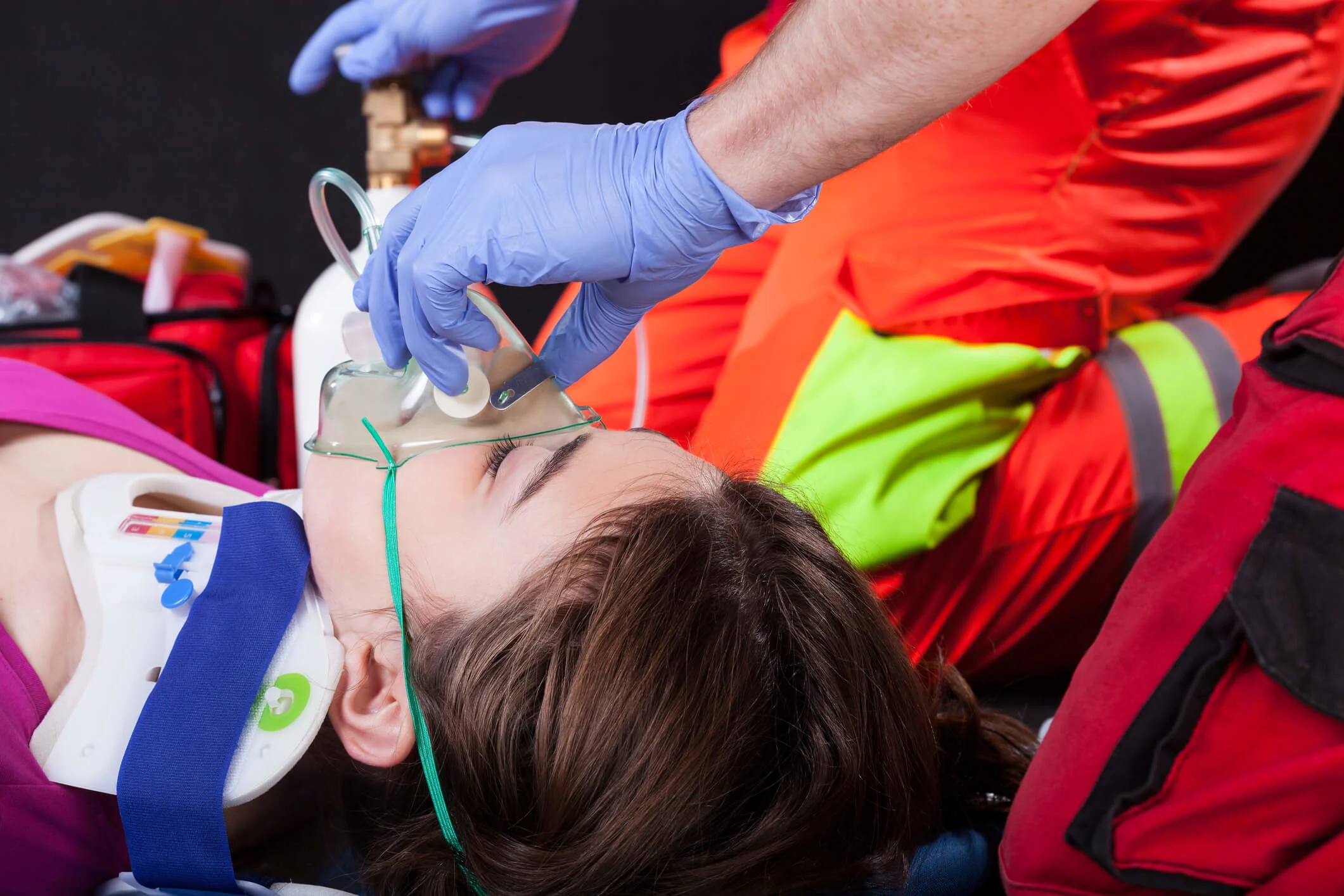
Oxygen Therapy: To ensure the body gets enough oxygen if the lungs are compromised.
Suctioning: To remove secretions from the airway.
Supportive Care: Hydration and nutrition, sometimes requiring a temporary feeding tube (nasogastric or PEG) if swallowing is unsafe.
Doctors typically diagnose aspiration pneumonia through physical exams and imaging to listen for fluid in the lungs:

Key Takeaways
Dysphagia is the main culprit: Swallowing problems are the leading cause of aspiration pneumonia.
Gravity helps: Always eat in an upright position.
Oral care saves lives: A clean mouth reduces the risk of severe lung infection.
Silent aspiration is real: Some people aspirate without coughing. Watch for subtle signs like a wet voice or low-grade fever.
Consult experts: Speech-language pathologists are essential for prescribing the right diet and swallowing exercises.
FAQ
Q: Can aspiration pneumonia be cured?
A: Yes, with prompt antibiotic treatment and supportive care, most people recover. However, it can be life-threatening, especially in frail, elderly patients.
Q: What is "silent aspiration"?
A: Silent aspiration occurs when food or liquid enters the lungs without triggering a cough reflex. It is dangerous because it often goes unnoticed until an infection develops.
Q: Why are thickened liquids used?
A: Thickened liquids move more slowly than water, giving the muscles in the throat more time to coordinate and close the airway before the liquid passes.
Q: How does a stroke cause aspiration pneumonia?
A: A stroke can damage the parts of the brain that control the muscles of the throat and mouth, leading to dysphagia (difficulty swallowing) and a reduced cough reflex.
Aspiration pneumonia is a lung infection caused by inhaling food, liquid, saliva, or vomit into the lungs. It is a serious risk for individuals with swallowing difficulties (dysphagia), particularly stroke survivors and those with Parkinson’s disease. Prevention focuses on safe swallowing techniques, dietary modifications (such as thickened liquids), and maintaining oral hygiene. Treatment typically involves antibiotics, oxygen therapy, and supportive care.
What Is Aspiration Pneumonia?
Aspiration pneumonia occurs when foreign material enters the bronchial tree and lungs, leading to inflammation and infection. Unlike typical pneumonia caused by airborne bacteria or viruses, this type results from a failure of the body’s protective mechanisms—especially the cough reflex and the epiglottis closing during swallowing.
Risk Factors
Dysphagia: Difficulty swallowing is the primary cause.
Neurological Disorders: Stroke, Parkinson’s disease, ALS, dementia.
Impaired Consciousness: Coma, sedation, anesthesia.
Gastroesophageal Reflux Disease (GERD): Stomach contents may be aspirated.
Poor Oral Hygiene: Mouth bacteria can enter the lungs and cause infection.
Signs and Symptoms
Early detection is essential. Symptoms may appear suddenly or develop gradually:
Wet, gurgly voice after eating or drinking
Coughing or choking during or after meals
Shortness of breath or rapid breathing
Fever and chills
Chest pain
Fatigue or confusion (especially in older adults)
Prevention Strategies
Preventing aspiration is the most effective way to reduce the risk of pneumonia.
1. Dietary Modifications
Thickened Liquids:
Thin liquids like water move too fast and are harder to control. Thickening agents (nectar, honey, or pudding consistency) allow more time for safe swallowing.
Pureed or Soft Foods:
Easier-to-chew foods lower the risk of choking and aspiration.
2. Safe Swallowing Techniques
Chin-Tuck Maneuver:
Tucking the chin towards the chest during swallowing helps narrow the airway and guide food into the esophagus.
Small Bites and Sips:
Eating slowly prevents overwhelming the throat.
Sitting Upright:
Sit at a 90-degree angle during meals and remain upright for at least 30 minutes afterward.
3. Oral Hygiene
Regular brushing and flossing reduce the bacterial load in the mouth. If aspiration does occur, fewer harmful bacteria enter the lungs, reducing the severity of infection.
4. Medical Management
Treating GERD with medication to reduce acid reflux.
Regular speech therapy assessments to monitor swallowing function.
Treatment Options
If aspiration pneumonia is diagnosed (usually via chest X-ray and physical exam), immediate treatment is required.
Antibiotics: To fight the bacterial infection.
Oxygen Therapy: To ensure the body gets enough oxygen if the lungs are compromised.
Suctioning: To remove secretions from the airway.
Supportive Care: Hydration and nutrition, sometimes requiring a temporary feeding tube (nasogastric or PEG) if swallowing is unsafe.
Doctors typically diagnose aspiration pneumonia through physical exams and imaging to listen for fluid in the lungs:
Key Takeaways
Dysphagia is the main culprit: Swallowing problems are the leading cause of aspiration pneumonia.
Gravity helps: Always eat in an upright position.
Oral care saves lives: A clean mouth reduces the risk of severe lung infection.
Silent aspiration is real: Some people aspirate without coughing. Watch for subtle signs like a wet voice or low-grade fever.
Consult experts: Speech-language pathologists are essential for prescribing the right diet and swallowing exercises.
FAQ
Q: Can aspiration pneumonia be cured?
A: Yes, with prompt antibiotic treatment and supportive care, most people recover. However, it can be life-threatening, especially in frail, elderly patients.
Q: What is "silent aspiration"?
A: Silent aspiration occurs when food or liquid enters the lungs without triggering a cough reflex. It is dangerous because it often goes unnoticed until an infection develops.
Q: Why are thickened liquids used?
A: Thickened liquids move more slowly than water, giving the muscles in the throat more time to coordinate and close the airway before the liquid passes.
Q: How does a stroke cause aspiration pneumonia?
A: A stroke can damage the parts of the brain that control the muscles of the throat and mouth, leading to dysphagia (difficulty swallowing) and a reduced cough reflex.
Subscribe to our newsletter
© Copyright 2026 . All Rights Reserved

© Copyright 2026 . All Rights Reserved