
Best Diet for Stroke Prevention: Heart-Brain Healthy Foods List
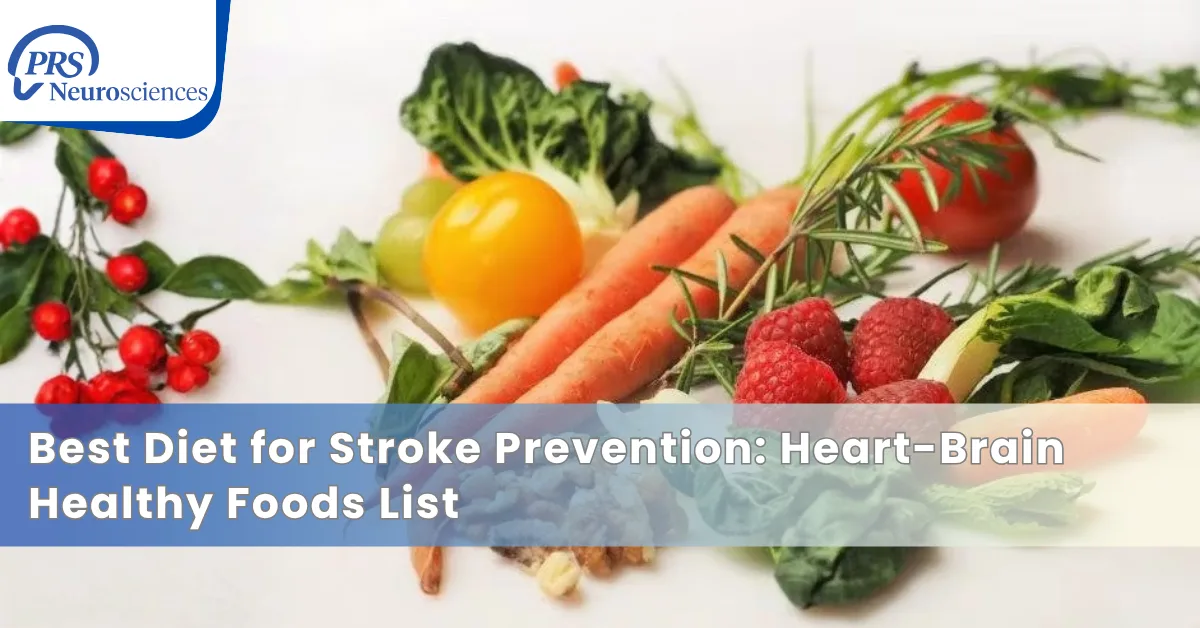
A stroke is often described as a "brain attack," but its roots frequently lie in the health of your heart and blood vessels. This profound connection—the heart-brain axis—means that the food you put on your plate acts as a dual shield. The best diet for stroke prevention doesn't just protect your brain; it fortifies your entire cardiovascular system against the damage that leads to blockages and bleeds.
Research consistently shows that up to 80% of strokes are preventable, and diet is one of the most powerful levers you can pull. This isn’t about temporary restriction; it is about embracing a "heart-brain" healthy lifestyle that floods your body with nutrients designed to lower blood pressure, reduce inflammation, and keep your arteries flexible.
In this comprehensive guide, we will explore the science-backed foods that significantly lower stroke risk, the ingredients you should exile from your kitchen, and how to structure your meals for longevity.
Understanding the Heart-Brain Connection
To understand why certain foods prevent stroke, you have to understand the mechanism of a stroke itself. Most strokes (ischemic strokes) occur when a blood clot blocks blood flow to the brain. This is often the result of:
High Blood Pressure (Hypertension): The single biggest risk factor. It damages arterial walls, making them prone to buildup.
Atherosclerosis: The buildup of plaque (cholesterol, fat, calcium) that narrows arteries.
Inflammation: Chronic inflammation destabilizes plaque, causing it to rupture and form clots.
The foods listed below are chosen specifically because they target these three enemies. They act as natural vasodilators (opening blood vessels), cholesterol sweepers, and anti-inflammatory agents.
The "Gold Standard" Diets: Mediterranean, DASH, and MIND
Before diving into specific foods, it is crucial to understand the dietary patterns that medical experts universally recommend. You don't need to invent a new diet; decades of research have already identified the winners.
1. The Mediterranean Diet
Often cited as the world's healthiest diet, this approach emphasizes plant-based foods, healthy fats (olive oil), and moderate protein. Studies have shown that adhering to a Mediterranean diet can reduce stroke risk by causing a drop in "bad" LDL cholesterol and improving the flexibility of blood vessels.
2. The DASH Diet (Dietary Approaches to Stop Hypertension)
Designed specifically to lower blood pressure without medication, DASH is a heavyweight champion for stroke prevention. It aggressively targets sodium reduction while increasing potassium, magnesium, and calcium—nutrients that naturally relax blood vessel walls.
3. The MIND Diet
A hybrid of the two above, the MIND diet (Mediterranean-DASH Intervention for Neurodegenerative Delay) is specifically tailored for brain health. While originally designed to prevent dementia, recent studies suggest it is exceptionally effective for stroke survivors, potentially slowing cognitive decline by up to 10 years.
The Power List: Heart-Brain Healthy Foods
This list constitutes the core of the best diet for stroke prevention. These aren't just "good" foods; they are functional ingredients that actively work to repair and protect your vascular system.
1. Leafy Greens: The Nitrate Powerhouses
Examples: Spinach(Palak), Amaranth Leaves, Mustard Greens (Sarson), Fenugreek Leaves(Methi), Drumstick Leaves (Moringa), Radish Leaves
The Science: Leafy greens are the arguably the most important food for stroke prevention. They are rich in dietary nitrates, which your body converts into nitric oxide. Nitric oxide is a miracle molecule that signals the muscles lining your blood vessels to relax, widening the channel and immediately lowering blood pressure.
Pro Tip: Aim for at least one serving a day. A 2021 study found that consuming just one cup of leafy greens daily could lower the risk of ischemic stroke by 17%.
2. Fatty Fish: The Omega-3 Shield
Examples: Salmon, mackerel, sardines and Hilsa
The Science: Your brain is roughly 60% fat, and it craves the specific type of fat found in these fish: Omega-3 fatty acids (EPA and DHA). Omega-3s are potent anti-inflammatories. They prevent blood platelets from clumping together (acting as a mild natural blood thinner) and reduce the stability of arterial plaque, preventing it from rupturing.
Pro Tip: If you are vegetarian, look for algae-based Omega-3 supplements, or incorporate flaxseeds and walnuts, though the conversion rate to active DHA is lower in plant sources.
3. Berries: The Brain’s Best Friend
Examples: Blueberries, strawberries, raspberries, blackberries.
The Science: Berries are loaded with flavonoids, specifically anthocyanins (which give them their deep red and blue colors). These antioxidants cross the blood-brain barrier to fight oxidative stress and inflammation directly in neural tissue. Large-scale studies indicate that women who eat high amounts of blueberries and strawberries have a significantly lower risk of heart attack and stroke.
4. Walnuts and Seeds: Magnesium & Healthy Fats
Examples: Walnuts, flaxseeds, chia seeds, pumpkin seeds.
The Science: Walnuts are unique among nuts because they contain high levels of alpha-linolenic acid (ALA), a plant-based Omega-3. Furthermore, seeds like pumpkin and chia are incredible sources of magnesium. Magnesium deficiency is strongly linked to high blood pressure; restoring levels helps blood vessels dilate.
Pro Tip: "Toast" your nuts lightly to release flavor, but avoid buying them pre-salted or honey-roasted.
5. Whole Grains: The Fiber Scrubber
Examples: Steel-cut oats, quinoa, brown rice, barley, millet.
The Science: Refined grains (white bread, white rice) spike blood sugar, which damages blood vessels over time. Whole grains, rich in fiber, do the opposite. Soluble fiber (found in oats) acts like a sponge in your digestive tract, binding to cholesterol and removing it from your body before it can clog your arteries.
Pro Tip: Swap your morning white toast for oatmeal topped with walnuts and berries for a "prevention trifecta" breakfast.
6. Tomatoes: The Lycopene Effect
The Science: Tomatoes are the primary source of lycopene, a powerful carotenoid antioxidant. Research has shown that men with the highest levels of lycopene in their blood had a 55% lower risk of stroke compared to those with the lowest.
Preparation Note: Lycopene is fat-soluble and becomes more bioavailable when cooked. A tomato sauce with olive oil is actually healthier for your heart than a raw tomato.
7. Dark Chocolate: The Guilty Pleasure (That Works)
The Science: This is not a myth. Dark chocolate (at least 70-85% cocoa) is rich in flavanols, which improve the health of the endothelium (the lining of the blood vessels) and lower blood pressure.
Moderation Key: The benefits plateau after a small amount. A 1-ounce square a few times a week is medicinal; a whole bar is just excess sugar.
8. Potassium-Rich Foods
Examples: Avocados, sweet potatoes, bananas, white beans.
The Science: Potassium is the biological counterweight to sodium. While sodium increases blood pressure, potassium helps your kidneys excrete sodium and eases tension in your blood vessel walls. Increasing potassium intake is often as effective as decreasing salt intake.
Foods to Exile: The "Stroke Risk" List
You cannot out-supplement a bad diet. To truly follow the best diet for stroke prevention, you must ruthlessly minimize foods that actively damage your vascular system.
1. Processed and Cured Meats
The Culprits: Bacon, sausages, hot dogs, deli ham, salami.
The Danger: These are a "triple threat": high in sodium (raising blood pressure), high in saturated fats (clogging arteries), and usually treated with nitrates (preservatives that can damage blood vessels). Studies confirm that daily consumption of processed meat dramatically increases stroke risk.
2. The "Salty Six"
The American Heart Association identifies six popular foods that contribute the most sodium to our diets:
Breads and rolls
Pizza
Sandwiches (burgers/subs)
Cold cuts/cured meats
Soup (canned)
Burritos/Tacos
Why: Excess sodium holds water in your bloodstream, increasing the volume your heart has to pump and driving up pressure.
3. Trans Fats and Hydrogenated Oils
The Culprits: Fried fast foods, commercial baked goods (donuts, pie crusts), stick margarine.
The Danger: Trans fats are artificial fats that raise your "bad" (LDL) cholesterol and lower your "good" (HDL) cholesterol. They are highly inflammatory. Check labels for "partially hydrogenated oil"—if you see it, put it back.
4. Added Sugars
The Culprits: Soda, energy drinks, sweetened yogurts, candy.
The Danger: High sugar intake leads to obesity and type 2 diabetes. Diabetes effectively doubles your risk of stroke because high blood glucose stiffens blood vessels and accelerates the buildup of fatty deposits.
Practical Implementation: A Day of Eating for Stroke Prevention
How do you turn this list into a lifestyle? It’s about simple swaps, not starvation. Here is what a "Heart-Brain Healthy" day looks like.
Breakfast: The Vascular Wake-Up
Avoid: Sugary cereal or white toast with jam.
Eat: Oatmeal cooked with water or soy milk, topped with a handful of blueberries and walnuts. Sprinkle with cinnamon (which helps blood sugar control).
Why: Fiber from oats, antioxidants from berries, Omega-3s from walnuts.
Lunch: The Nitrate Boost
Avoid: Ham sandwich with mayo and chips.
Eat: A large spinach and arugula salad with grilled chicken or chickpeas. Dress it with extra virgin olive oil and lemon juice. Add a side of quinoa.
Why: A massive dose of nitrates from greens to lower BP; olive oil helps absorb nutrients.
Snack: The Magnesium Fix
Avoid: Cookies or pretzels.
Eat: A sliced apple with almond butter or a small handful of pumpkin seeds.
Why: Sustained energy and a magnesium boost.
Dinner: The Anti-Inflammatory Feast
Avoid: Fried steak or pepperoni pizza.
Eat: Baked Salmon (seasoned with herbs, not salt) with a side of roasted sweet potatoes and steamed broccoli.
Why: Omega-3s from salmon, potassium from potatoes, fiber from broccoli.
Drink: Hydration Strategy
To optimize your health, swap colas and sugary juices for water or fresh coconut water, limit regular tea to two cups daily, and incorporate hibiscus or jeera water. Strictly limit alcohol to one small drink a day to minimize stroke risk. For your meals, reduce hidden salts found in pickles and papad, choose steaming or grilling over deep-frying, and practice portion control with white rice. Finally, round out your diet by adding a daily leafy green and eating fish two to three times a week, or daily flaxseeds if you are vegetarian.
Cooking Methods Matter
Having the best ingredients doesn't help if you prepare them poorly.
Stop Deep Frying: Frying destroys the antioxidants in vegetables and adds dangerous inflammatory fats.
Start Steaming and Roasting: Steaming preserves the most nutrients in vegetables. Roasting tomatoes increases lycopene availability.
Spice it Up: Use garlic, ginger, turmeric, and dried herbs to flavor food instead of salt. Garlic, in particular, has compounds that relax blood vessels.
Lifestyle Factors: The Missing Piece
While this article focuses on the best diet for stroke prevention, food works best in concert with lifestyle changes.
Movement: A 30-minute brisk walk daily activates the nitric oxide from your leafy greens, making them work better.
Hydration: Dehydration thickens blood, increasing clot risk. Drink water consistently throughout the day.
Stress Management: Chronic stress keeps blood pressure high. Magnesium-rich foods (like dark chocolate and seeds) can actually help buffer the body's stress response.
Conclusion
The "Best Diet for Stroke Prevention" is not a temporary regimen; it is a delicious, abundant way of living. It invites you to fill your plate with vibrant colors—the deep greens of spinach, the reds of berries and tomatoes, the orange of salmon and sweet potatoes.
By prioritizing these heart-brain healthy foods, you aren't just "preventing a stroke." You are investing in a sharper mind, cleaner arteries, and more energy for your daily life. Start small—maybe by adding a handful of walnuts to your morning routine or swapping one meat meal for fish this week. Your heart and brain will thank you for every single bite.
A stroke is often described as a "brain attack," but its roots frequently lie in the health of your heart and blood vessels. This profound connection—the heart-brain axis—means that the food you put on your plate acts as a dual shield. The best diet for stroke prevention doesn't just protect your brain; it fortifies your entire cardiovascular system against the damage that leads to blockages and bleeds.
Research consistently shows that up to 80% of strokes are preventable, and diet is one of the most powerful levers you can pull. This isn’t about temporary restriction; it is about embracing a "heart-brain" healthy lifestyle that floods your body with nutrients designed to lower blood pressure, reduce inflammation, and keep your arteries flexible.
In this comprehensive guide, we will explore the science-backed foods that significantly lower stroke risk, the ingredients you should exile from your kitchen, and how to structure your meals for longevity.
Understanding the Heart-Brain Connection
To understand why certain foods prevent stroke, you have to understand the mechanism of a stroke itself. Most strokes (ischemic strokes) occur when a blood clot blocks blood flow to the brain. This is often the result of:
High Blood Pressure (Hypertension): The single biggest risk factor. It damages arterial walls, making them prone to buildup.
Atherosclerosis: The buildup of plaque (cholesterol, fat, calcium) that narrows arteries.
Inflammation: Chronic inflammation destabilizes plaque, causing it to rupture and form clots.
The foods listed below are chosen specifically because they target these three enemies. They act as natural vasodilators (opening blood vessels), cholesterol sweepers, and anti-inflammatory agents.
The "Gold Standard" Diets: Mediterranean, DASH, and MIND
Before diving into specific foods, it is crucial to understand the dietary patterns that medical experts universally recommend. You don't need to invent a new diet; decades of research have already identified the winners.
1. The Mediterranean Diet
Often cited as the world's healthiest diet, this approach emphasizes plant-based foods, healthy fats (olive oil), and moderate protein. Studies have shown that adhering to a Mediterranean diet can reduce stroke risk by causing a drop in "bad" LDL cholesterol and improving the flexibility of blood vessels.
2. The DASH Diet (Dietary Approaches to Stop Hypertension)
Designed specifically to lower blood pressure without medication, DASH is a heavyweight champion for stroke prevention. It aggressively targets sodium reduction while increasing potassium, magnesium, and calcium—nutrients that naturally relax blood vessel walls.
3. The MIND Diet
A hybrid of the two above, the MIND diet (Mediterranean-DASH Intervention for Neurodegenerative Delay) is specifically tailored for brain health. While originally designed to prevent dementia, recent studies suggest it is exceptionally effective for stroke survivors, potentially slowing cognitive decline by up to 10 years.
The Power List: Heart-Brain Healthy Foods
This list constitutes the core of the best diet for stroke prevention. These aren't just "good" foods; they are functional ingredients that actively work to repair and protect your vascular system.
1. Leafy Greens: The Nitrate Powerhouses
Examples: Spinach(Palak), Amaranth Leaves, Mustard Greens (Sarson), Fenugreek Leaves(Methi), Drumstick Leaves (Moringa), Radish Leaves
The Science: Leafy greens are the arguably the most important food for stroke prevention. They are rich in dietary nitrates, which your body converts into nitric oxide. Nitric oxide is a miracle molecule that signals the muscles lining your blood vessels to relax, widening the channel and immediately lowering blood pressure.
Pro Tip: Aim for at least one serving a day. A 2021 study found that consuming just one cup of leafy greens daily could lower the risk of ischemic stroke by 17%.
2. Fatty Fish: The Omega-3 Shield
Examples: Salmon, mackerel, sardines and Hilsa
The Science: Your brain is roughly 60% fat, and it craves the specific type of fat found in these fish: Omega-3 fatty acids (EPA and DHA). Omega-3s are potent anti-inflammatories. They prevent blood platelets from clumping together (acting as a mild natural blood thinner) and reduce the stability of arterial plaque, preventing it from rupturing.
Pro Tip: If you are vegetarian, look for algae-based Omega-3 supplements, or incorporate flaxseeds and walnuts, though the conversion rate to active DHA is lower in plant sources.
3. Berries: The Brain’s Best Friend
Examples: Blueberries, strawberries, raspberries, blackberries.
The Science: Berries are loaded with flavonoids, specifically anthocyanins (which give them their deep red and blue colors). These antioxidants cross the blood-brain barrier to fight oxidative stress and inflammation directly in neural tissue. Large-scale studies indicate that women who eat high amounts of blueberries and strawberries have a significantly lower risk of heart attack and stroke.
4. Walnuts and Seeds: Magnesium & Healthy Fats
Examples: Walnuts, flaxseeds, chia seeds, pumpkin seeds.
The Science: Walnuts are unique among nuts because they contain high levels of alpha-linolenic acid (ALA), a plant-based Omega-3. Furthermore, seeds like pumpkin and chia are incredible sources of magnesium. Magnesium deficiency is strongly linked to high blood pressure; restoring levels helps blood vessels dilate.
Pro Tip: "Toast" your nuts lightly to release flavor, but avoid buying them pre-salted or honey-roasted.
5. Whole Grains: The Fiber Scrubber
Examples: Steel-cut oats, quinoa, brown rice, barley, millet.
The Science: Refined grains (white bread, white rice) spike blood sugar, which damages blood vessels over time. Whole grains, rich in fiber, do the opposite. Soluble fiber (found in oats) acts like a sponge in your digestive tract, binding to cholesterol and removing it from your body before it can clog your arteries.
Pro Tip: Swap your morning white toast for oatmeal topped with walnuts and berries for a "prevention trifecta" breakfast.
6. Tomatoes: The Lycopene Effect
The Science: Tomatoes are the primary source of lycopene, a powerful carotenoid antioxidant. Research has shown that men with the highest levels of lycopene in their blood had a 55% lower risk of stroke compared to those with the lowest.
Preparation Note: Lycopene is fat-soluble and becomes more bioavailable when cooked. A tomato sauce with olive oil is actually healthier for your heart than a raw tomato.
7. Dark Chocolate: The Guilty Pleasure (That Works)
The Science: This is not a myth. Dark chocolate (at least 70-85% cocoa) is rich in flavanols, which improve the health of the endothelium (the lining of the blood vessels) and lower blood pressure.
Moderation Key: The benefits plateau after a small amount. A 1-ounce square a few times a week is medicinal; a whole bar is just excess sugar.
8. Potassium-Rich Foods
Examples: Avocados, sweet potatoes, bananas, white beans.
The Science: Potassium is the biological counterweight to sodium. While sodium increases blood pressure, potassium helps your kidneys excrete sodium and eases tension in your blood vessel walls. Increasing potassium intake is often as effective as decreasing salt intake.
Foods to Exile: The "Stroke Risk" List
You cannot out-supplement a bad diet. To truly follow the best diet for stroke prevention, you must ruthlessly minimize foods that actively damage your vascular system.
1. Processed and Cured Meats
The Culprits: Bacon, sausages, hot dogs, deli ham, salami.
The Danger: These are a "triple threat": high in sodium (raising blood pressure), high in saturated fats (clogging arteries), and usually treated with nitrates (preservatives that can damage blood vessels). Studies confirm that daily consumption of processed meat dramatically increases stroke risk.
2. The "Salty Six"
The American Heart Association identifies six popular foods that contribute the most sodium to our diets:
Breads and rolls
Pizza
Sandwiches (burgers/subs)
Cold cuts/cured meats
Soup (canned)
Burritos/Tacos
Why: Excess sodium holds water in your bloodstream, increasing the volume your heart has to pump and driving up pressure.
3. Trans Fats and Hydrogenated Oils
The Culprits: Fried fast foods, commercial baked goods (donuts, pie crusts), stick margarine.
The Danger: Trans fats are artificial fats that raise your "bad" (LDL) cholesterol and lower your "good" (HDL) cholesterol. They are highly inflammatory. Check labels for "partially hydrogenated oil"—if you see it, put it back.
4. Added Sugars
The Culprits: Soda, energy drinks, sweetened yogurts, candy.
The Danger: High sugar intake leads to obesity and type 2 diabetes. Diabetes effectively doubles your risk of stroke because high blood glucose stiffens blood vessels and accelerates the buildup of fatty deposits.
Practical Implementation: A Day of Eating for Stroke Prevention
How do you turn this list into a lifestyle? It’s about simple swaps, not starvation. Here is what a "Heart-Brain Healthy" day looks like.
Breakfast: The Vascular Wake-Up
Avoid: Sugary cereal or white toast with jam.
Eat: Oatmeal cooked with water or soy milk, topped with a handful of blueberries and walnuts. Sprinkle with cinnamon (which helps blood sugar control).
Why: Fiber from oats, antioxidants from berries, Omega-3s from walnuts.
Lunch: The Nitrate Boost
Avoid: Ham sandwich with mayo and chips.
Eat: A large spinach and arugula salad with grilled chicken or chickpeas. Dress it with extra virgin olive oil and lemon juice. Add a side of quinoa.
Why: A massive dose of nitrates from greens to lower BP; olive oil helps absorb nutrients.
Snack: The Magnesium Fix
Avoid: Cookies or pretzels.
Eat: A sliced apple with almond butter or a small handful of pumpkin seeds.
Why: Sustained energy and a magnesium boost.
Dinner: The Anti-Inflammatory Feast
Avoid: Fried steak or pepperoni pizza.
Eat: Baked Salmon (seasoned with herbs, not salt) with a side of roasted sweet potatoes and steamed broccoli.
Why: Omega-3s from salmon, potassium from potatoes, fiber from broccoli.
Drink: Hydration Strategy
To optimize your health, swap colas and sugary juices for water or fresh coconut water, limit regular tea to two cups daily, and incorporate hibiscus or jeera water. Strictly limit alcohol to one small drink a day to minimize stroke risk. For your meals, reduce hidden salts found in pickles and papad, choose steaming or grilling over deep-frying, and practice portion control with white rice. Finally, round out your diet by adding a daily leafy green and eating fish two to three times a week, or daily flaxseeds if you are vegetarian.
Cooking Methods Matter
Having the best ingredients doesn't help if you prepare them poorly.
Stop Deep Frying: Frying destroys the antioxidants in vegetables and adds dangerous inflammatory fats.
Start Steaming and Roasting: Steaming preserves the most nutrients in vegetables. Roasting tomatoes increases lycopene availability.
Spice it Up: Use garlic, ginger, turmeric, and dried herbs to flavor food instead of salt. Garlic, in particular, has compounds that relax blood vessels.
Lifestyle Factors: The Missing Piece
While this article focuses on the best diet for stroke prevention, food works best in concert with lifestyle changes.
Movement: A 30-minute brisk walk daily activates the nitric oxide from your leafy greens, making them work better.
Hydration: Dehydration thickens blood, increasing clot risk. Drink water consistently throughout the day.
Stress Management: Chronic stress keeps blood pressure high. Magnesium-rich foods (like dark chocolate and seeds) can actually help buffer the body's stress response.
Conclusion
The "Best Diet for Stroke Prevention" is not a temporary regimen; it is a delicious, abundant way of living. It invites you to fill your plate with vibrant colors—the deep greens of spinach, the reds of berries and tomatoes, the orange of salmon and sweet potatoes.
By prioritizing these heart-brain healthy foods, you aren't just "preventing a stroke." You are investing in a sharper mind, cleaner arteries, and more energy for your daily life. Start small—maybe by adding a handful of walnuts to your morning routine or swapping one meat meal for fish this week. Your heart and brain will thank you for every single bite.
Subscribe to our newsletter
© Copyright 2026 . All Rights Reserved

© Copyright 2026 . All Rights Reserved