
Brain Damage After Stroke: Recovery and Long-Term Implications
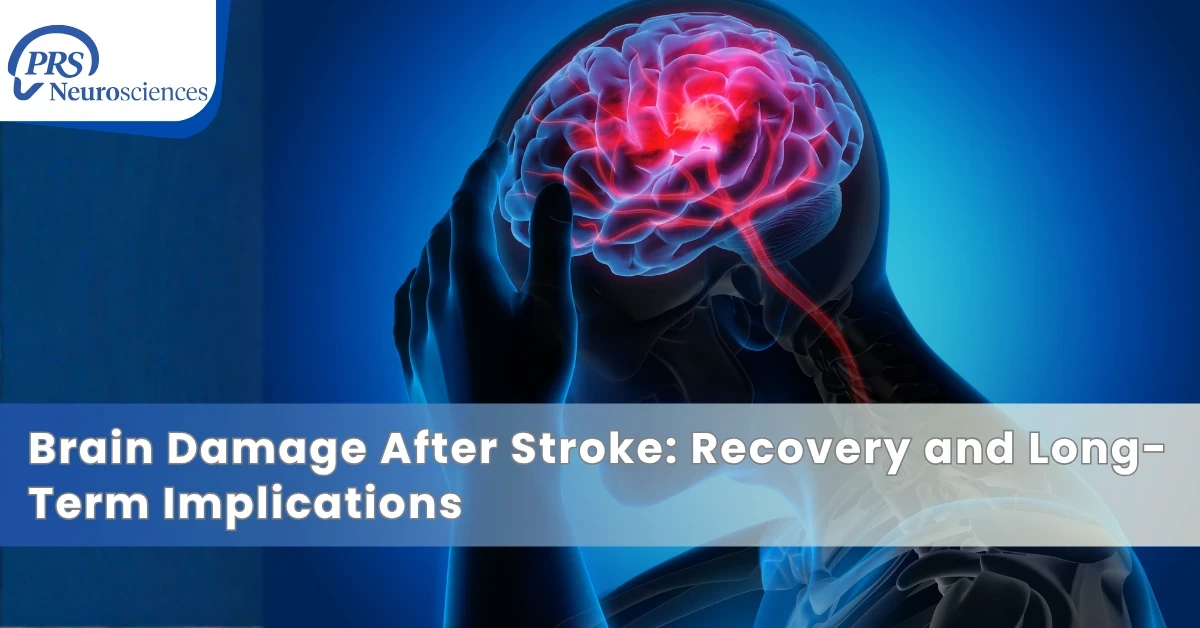
A stroke is a life-altering event that can cause significant damage to the brain, leading to a range of physical, cognitive, and emotional challenges. The aftermath of a stroke is not just about immediate survival but also about the long journey of recovery and adaptation. Understanding the nature of brain damage after stroke, the recovery process, and the long-term implications is crucial for patients, caregivers, and healthcare professionals alike.
What Happens During a Stroke?
A stroke occurs when the blood supply to a part of the brain is interrupted or severely reduced, depriving brain tissue of oxygen and nutrients. There are two main types of stroke: ischemic (caused by a blocked artery) and hemorrhagic (caused by a ruptured blood vessel). Both types can lead to brain damage, but the extent and location of the damage depend on several factors, including the size of the affected area, how quickly treatment is administered, and the patient's overall health.
When brain cells are deprived of oxygen, they begin to die within minutes. This cell death leads to the loss of function in the areas of the brain that control specific abilities, such as movement, speech, memory, and emotion. The severity of brain damage after stroke can vary widely, from mild impairment to severe disability.
Types of Brain Damage After Stroke
Brain damage after stroke can manifest in different ways, depending on which part of the brain is affected. Common types of damage include:
Motor Impairment: Damage to the motor cortex or related pathways can result in weakness, paralysis, or loss of coordination on one side of the body. This is often referred to as hemiparesis or hemiplegia.
Cognitive Deficits: Strokes affecting the frontal or temporal lobes may lead to problems with memory, attention, problem-solving, and executive function. Patients may experience confusion, difficulty concentrating, or trouble making decisions.
Language Disorders: Damage to the language centers of the brain (such as Broca's or Wernicke's areas) can cause aphasia, a condition that affects the ability to speak, understand, read, or write.
Emotional and Behavioral Changes: Strokes can also impact mood and behavior, leading to depression, anxiety, irritability, or personality changes. These changes can be challenging for both the patient and their loved ones.
Swallowing Disorders (Dysphagia): Damage to the brain regions or cranial nerves controlling the throat and mouth can impair the coordination needed for swallowing. This can lead to difficulty eating or drinking, and increases the risk of choking or aspiration (food or liquid entering the lungs).
The Recovery Process
Recovery after a stroke is a complex and often lengthy process that involves multiple stages. The brain has a remarkable ability to adapt and reorganize itself, a phenomenon known as neuroplasticity. This means that, with proper rehabilitation and support, many stroke survivors can regain some or all of their lost functions.
Immediate Post-Stroke Care
The first few hours and days after a stroke are critical. Immediate medical intervention can minimize brain damage and improve outcomes. Treatments may include medications to dissolve blood clots, surgery to remove blockages or repair blood vessels, and supportive care to stabilize vital functions.
Rehabilitation
Rehabilitation is a cornerstone of stroke recovery. It typically begins in the hospital and continues in outpatient or home settings. Rehabilitation programs are tailored to the individual's needs and may include:
Physical Therapy: To improve strength, mobility, and coordination.
Occupational Therapy: To help patients regain the ability to perform daily activities, such as dressing, eating, and bathing.
Speech Therapy: To address language and communication difficulties.
Cognitive Therapy: To improve memory, attention, and problem-solving skills.
Swallowing Therapy (Dysphagia Therapy): To assess and treat difficulties with swallowing, ensuring patients can safely and comfortably eat and drink.
Rehabilitation is most effective when it is intensive, multidisciplinary, and started as soon as possible after the stroke—which may even include coma stimulation for unresponsive patients to help awaken the senses and encourage neurological recovery. Progress can be slow, and setbacks are common, but consistent effort and support can lead to significant improvements.
Emotional and Psychological Support
Recovery is not just physical; it is also emotional and psychological. Many stroke survivors experience depression, anxiety, or post-traumatic stress disorder (PTSD). Counseling, support groups, and medication can help manage these conditions and improve quality of life.
Long-Term Implications
The long-term implications of brain damage after stroke can be profound and far-reaching. While some patients make a full recovery, others face ongoing challenges that require lifelong management.
Physical Limitations
Many stroke survivors are left with permanent physical disabilities, such as paralysis, muscle stiffness, or difficulty with balance and coordination. These limitations can affect independence, mobility, and overall quality of life. Assistive devices, such as wheelchairs, walkers, or prosthetics, may be necessary.
Cognitive and Emotional Challenges
Cognitive deficits, such as memory loss, difficulty concentrating, and impaired executive function, can persist long after the stroke. Emotional challenges, including depression, anxiety, and personality changes, can also have a lasting impact. Ongoing therapy and support are essential for managing these issues.
Social and Economic Impact
Stroke can have significant social and economic consequences. Many survivors are unable to return to work, leading to financial strain and loss of income. Social isolation, relationship strain, and reduced quality of life are common. Support from family, friends, and community resources is crucial for coping with these challenges.
Risk of Recurrent Stroke
Stroke survivors are at an increased risk of having another stroke. Managing risk factors, such as high blood pressure, high cholesterol, diabetes, and smoking, is essential for preventing recurrence. Regular medical follow-up and adherence to treatment plans are critical for long-term health.
Strategies for Improving Recovery and Quality of Life
While the road to recovery can be challenging, there are several strategies that can improve outcomes and enhance quality of life for stroke survivors:
Early and Intensive Rehabilitation: Starting rehabilitation as soon as possible and participating in intensive, multidisciplinary programs can maximize recovery potential.
Healthy Lifestyle: Adopting a healthy lifestyle, including a balanced diet, regular exercise, and stress management, can support recovery and reduce the risk of recurrent stroke.
Social Support: Maintaining strong social connections and seeking support from family, friends, and support groups can improve emotional well-being and resilience.
Ongoing Medical Care: Regular medical follow-up and adherence to treatment plans are essential for managing long-term complications and preventing recurrence.
Conclusion
Brain damage after stroke is a serious and complex condition with far-reaching implications for patients, families, and society. While recovery is possible, it often requires a comprehensive and multidisciplinary approach that addresses physical, cognitive, emotional, and social needs. By understanding the nature of brain damage after stroke and the factors that influence recovery, we can better support stroke survivors and improve their quality of life.
A stroke is a life-altering event that can cause significant damage to the brain, leading to a range of physical, cognitive, and emotional challenges. The aftermath of a stroke is not just about immediate survival but also about the long journey of recovery and adaptation. Understanding the nature of brain damage after stroke, the recovery process, and the long-term implications is crucial for patients, caregivers, and healthcare professionals alike.
What Happens During a Stroke?
A stroke occurs when the blood supply to a part of the brain is interrupted or severely reduced, depriving brain tissue of oxygen and nutrients. There are two main types of stroke: ischemic (caused by a blocked artery) and hemorrhagic (caused by a ruptured blood vessel). Both types can lead to brain damage, but the extent and location of the damage depend on several factors, including the size of the affected area, how quickly treatment is administered, and the patient's overall health.
When brain cells are deprived of oxygen, they begin to die within minutes. This cell death leads to the loss of function in the areas of the brain that control specific abilities, such as movement, speech, memory, and emotion. The severity of brain damage after stroke can vary widely, from mild impairment to severe disability.
Types of Brain Damage After Stroke
Brain damage after stroke can manifest in different ways, depending on which part of the brain is affected. Common types of damage include:
Motor Impairment: Damage to the motor cortex or related pathways can result in weakness, paralysis, or loss of coordination on one side of the body. This is often referred to as hemiparesis or hemiplegia.
Cognitive Deficits: Strokes affecting the frontal or temporal lobes may lead to problems with memory, attention, problem-solving, and executive function. Patients may experience confusion, difficulty concentrating, or trouble making decisions.
Language Disorders: Damage to the language centers of the brain (such as Broca's or Wernicke's areas) can cause aphasia, a condition that affects the ability to speak, understand, read, or write.
Emotional and Behavioral Changes: Strokes can also impact mood and behavior, leading to depression, anxiety, irritability, or personality changes. These changes can be challenging for both the patient and their loved ones.
Swallowing Disorders (Dysphagia): Damage to the brain regions or cranial nerves controlling the throat and mouth can impair the coordination needed for swallowing. This can lead to difficulty eating or drinking, and increases the risk of choking or aspiration (food or liquid entering the lungs).
The Recovery Process
Recovery after a stroke is a complex and often lengthy process that involves multiple stages. The brain has a remarkable ability to adapt and reorganize itself, a phenomenon known as neuroplasticity. This means that, with proper rehabilitation and support, many stroke survivors can regain some or all of their lost functions.
Immediate Post-Stroke Care
The first few hours and days after a stroke are critical. Immediate medical intervention can minimize brain damage and improve outcomes. Treatments may include medications to dissolve blood clots, surgery to remove blockages or repair blood vessels, and supportive care to stabilize vital functions.
Rehabilitation
Rehabilitation is a cornerstone of stroke recovery. It typically begins in the hospital and continues in outpatient or home settings. Rehabilitation programs are tailored to the individual's needs and may include:
Physical Therapy: To improve strength, mobility, and coordination.
Occupational Therapy: To help patients regain the ability to perform daily activities, such as dressing, eating, and bathing.
Speech Therapy: To address language and communication difficulties.
Cognitive Therapy: To improve memory, attention, and problem-solving skills.
Swallowing Therapy (Dysphagia Therapy): To assess and treat difficulties with swallowing, ensuring patients can safely and comfortably eat and drink.
Rehabilitation is most effective when it is intensive, multidisciplinary, and started as soon as possible after the stroke—which may even include coma stimulation for unresponsive patients to help awaken the senses and encourage neurological recovery. Progress can be slow, and setbacks are common, but consistent effort and support can lead to significant improvements.
Emotional and Psychological Support
Recovery is not just physical; it is also emotional and psychological. Many stroke survivors experience depression, anxiety, or post-traumatic stress disorder (PTSD). Counseling, support groups, and medication can help manage these conditions and improve quality of life.
Long-Term Implications
The long-term implications of brain damage after stroke can be profound and far-reaching. While some patients make a full recovery, others face ongoing challenges that require lifelong management.
Physical Limitations
Many stroke survivors are left with permanent physical disabilities, such as paralysis, muscle stiffness, or difficulty with balance and coordination. These limitations can affect independence, mobility, and overall quality of life. Assistive devices, such as wheelchairs, walkers, or prosthetics, may be necessary.
Cognitive and Emotional Challenges
Cognitive deficits, such as memory loss, difficulty concentrating, and impaired executive function, can persist long after the stroke. Emotional challenges, including depression, anxiety, and personality changes, can also have a lasting impact. Ongoing therapy and support are essential for managing these issues.
Social and Economic Impact
Stroke can have significant social and economic consequences. Many survivors are unable to return to work, leading to financial strain and loss of income. Social isolation, relationship strain, and reduced quality of life are common. Support from family, friends, and community resources is crucial for coping with these challenges.
Risk of Recurrent Stroke
Stroke survivors are at an increased risk of having another stroke. Managing risk factors, such as high blood pressure, high cholesterol, diabetes, and smoking, is essential for preventing recurrence. Regular medical follow-up and adherence to treatment plans are critical for long-term health.
Strategies for Improving Recovery and Quality of Life
While the road to recovery can be challenging, there are several strategies that can improve outcomes and enhance quality of life for stroke survivors:
Early and Intensive Rehabilitation: Starting rehabilitation as soon as possible and participating in intensive, multidisciplinary programs can maximize recovery potential.
Healthy Lifestyle: Adopting a healthy lifestyle, including a balanced diet, regular exercise, and stress management, can support recovery and reduce the risk of recurrent stroke.
Social Support: Maintaining strong social connections and seeking support from family, friends, and support groups can improve emotional well-being and resilience.
Ongoing Medical Care: Regular medical follow-up and adherence to treatment plans are essential for managing long-term complications and preventing recurrence.
Conclusion
Brain damage after stroke is a serious and complex condition with far-reaching implications for patients, families, and society. While recovery is possible, it often requires a comprehensive and multidisciplinary approach that addresses physical, cognitive, emotional, and social needs. By understanding the nature of brain damage after stroke and the factors that influence recovery, we can better support stroke survivors and improve their quality of life.
Subscribe to our newsletter
© Copyright 2026 . All Rights Reserved

© Copyright 2026 . All Rights Reserved