
Early Warning Signs of Stroke: What You Need to Know
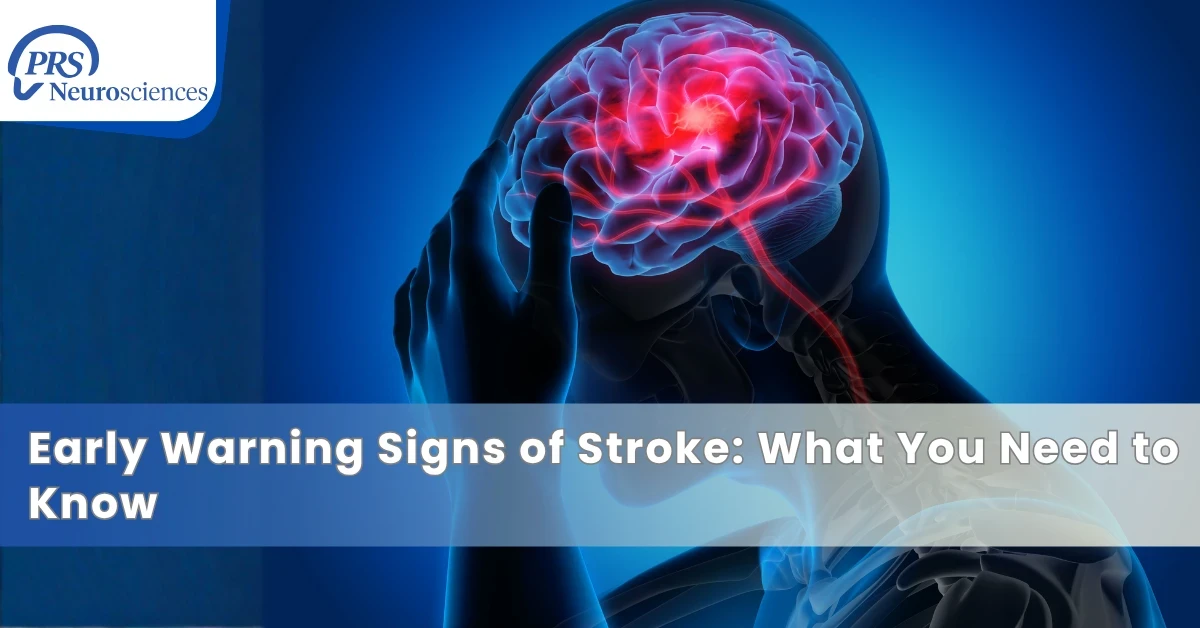
Every forty seconds, someone in India experiences a stroke, and every four minutes, a life is lost to one. This medical emergency strikes without warning, and the difference between knowing what to do and not knowing could mean the difference between recovery and permanent disability—or life and death. While strokes often seem random, the truth is that understanding the early warning signs of stroke can save lives. Most people survive strokes that are caught and treated immediately, but many strokes could be prevented entirely with proper knowledge and vigilance.
Understanding What a Stroke Really Is
A stroke occurs when blood flow to the brain is suddenly interrupted. Think of it like a traffic jam in your brain's blood vessels. When blood cannot reach the brain tissue, those cells become starved of oxygen and nutrients. Within minutes, brain cells begin to die—literally 1.9 million brain cells are lost for every minute a stroke goes untreated. This is why medical professionals use the phrase "time is brain" when discussing stroke treatment. Unlike many medical emergencies where doctors have hours to work, a stroke demands immediate action measured in minutes, not hours.
There are two main types of strokes that can occur. Ischemic strokes are the most common, accounting for approximately 87 percent of all stroke cases. These happen when a blood clot blocks one of the arteries carrying blood to the brain. The clot might form directly in the brain's blood vessels, or it might originate elsewhere in the body—often the heart—and travel to the brain. Hemorrhagic strokes are less common but often more dangerous. They occur when a blood vessel in the brain ruptures and bleeds into the surrounding tissue, creating dangerous pressure inside the skull. Both types damage the brain, but they require different emergency treatments, which is why getting professional medical evaluation immediately is essential.
The BEFAST Method: Your First Line of Defense Against Stroke
If you or someone near you shows any signs of a stroke, recognizing what is happening quickly can be the difference between full recovery and severe disability. The acronym BEFAST is an expanded, easy-to-remember tool that highlights the most critical warning signs of a stroke. This method is highly effective because it is simple enough to recall during a stressful medical emergency, yet accurate enough for doctors to use in casualty wards across the country.
B - Balance: Watch for a sudden loss of balance or coordination. A person may suddenly feel like the room is spinning (vertigo), stumble while walking, or feel unusually unsteady on their feet.
E - Eyes: Check for sudden vision changes. This can include blurred vision, double vision, partial loss of sight, or complete loss of vision in one or both eyes.
F - Face: Ask the person to smile and look carefully at their face. With a stroke, one side of the face often droops or appears weak. The smile becomes uneven, and sometimes the person cannot completely close one eye. This asymmetry is a primary warning sign of brain dysfunction.
A - Arm: Request that the person raise both arms straight out in front of them and hold them there for a few seconds. With a stroke, weakness or numbness typically affects one side of the body. One arm may drift downward even as they try to keep it raised.
S - Speech: Have them repeat a simple phrase in English or their native language, such as "The sky is clear today" or "Mera naam [Name] hai." Listen carefully. Stroke survivors often slur their words, speak incoherently, or struggle to find the right words. Even mild slurring deserves immediate attention.
T - Time: If you observe any of these signs, do not wait and do not second-guess yourself. Time is brain. Immediately call an ambulance by dialing 108 or the National Emergency Number 112.
Crucial Advice
Do not take an auto-rickshaw, cab, or personal two-wheeler/car to the hospital if you can avoid it. Calling an ambulance (108) is vital. Emergency medical technicians (EMTs) can navigate heavy Indian traffic using sirens, administer basic care en route, and pre-alert the hospital.
Insist on a "Stroke-Ready" Hospital: Not all local nursing homes or smaller clinics have the CT scan machines or neurologists required to treat a stroke. Ask the ambulance driver to take you to a hospital equipped to handle stroke emergencies immediately.
Other Important Early Warning Signs
While BEFAST captures the majority of strokes, other sudden warning signs can occur alongside them:
Sudden Numbness or Weakness: This often affects one side of the body and may involve the face, arm, leg, or a combination. A person might describe it as severe "pins and needles," sudden heaviness, or a complete loss of feeling.
Confusion or Trouble Thinking: A stroke can cause a sudden mental fog. Family members might notice the person seems suddenly "out of it," confused, or unable to follow a simple conversation they would normally understand perfectly.
Severe "Thunderclap" Headache: A sudden, intensely severe headache with no known cause—often described as the worst headache of a person's life—can signal a hemorrhagic stroke (bleeding in the brain).
Nausea and Vomiting: While common in many illnesses, unexplained vomiting that happens suddenly alongside any of the symptoms above is a major red flag.
The Golden Rule: Stroke symptoms appear suddenly. They do not develop gradually over weeks. They emerge in minutes, which is why recognizing them and getting to a hospital within the "golden hour" is so critical.
Transient Ischemic Attacks: The Warning Sign You Cannot Ignore
One critical concept that many people do not understand is the transient ischemic attack, commonly called a TIA or mini-stroke. A TIA is a temporary blockage of blood flow to the brain that causes stroke-like symptoms, but the blockage clears on its own within minutes to a few hours, usually within 24 hours. Because the blockage is temporary, a TIA typically does not cause permanent brain damage.
However, a TIA is an urgent warning signal that should never be ignored. About one in three people who experience a TIA will eventually have a major stroke. About 20 percent of people with a TIA go on to have a stroke within three months. This means a TIA is your opportunity to intervene, make lifestyle changes, and start preventive treatment before a more serious stroke occurs.
The symptoms of a TIA are identical to those of a stroke: weakness on one side of the body, facial drooping, speech difficulties, vision problems, dizziness, confusion, or severe headache. Because the symptoms are identical and you cannot tell the difference between a TIA and a stroke without medical imaging, you must treat every episode of these symptoms as a medical emergency. Seek immediate medical attention. Get to an emergency department where doctors can perform imaging to determine what happened and begin appropriate preventive treatment.
Many people make the mistake of waiting to see if symptoms will go away on their own or dismissing them as insignificant because they resolve quickly. This is dangerous thinking. The fact that symptoms resolved does not mean they are unimportant—it means you need to see a doctor to understand what happened and prevent a future stroke.
Risk Factors: Who Is Most At Risk?
Understanding your personal risk for stroke is important because it helps you make informed decisions about your health and guides conversations with your doctor. Several risk factors significantly increase the likelihood of having a stroke.
High blood pressure is the single most important risk factor for stroke. It damages blood vessel walls and promotes the formation of blood clots. High cholesterol also contributes to clot formation and blockages. Smoking damages blood vessels and increases clot risk. Diabetes increases the likelihood of clot formation and accelerates the narrowing of arteries. Obesity and physical inactivity further increase risk. Heart conditions, particularly atrial fibrillation (an irregular heartbeat), can cause blood clots to form in the heart that travel to the brain.
Age also matters—stroke risk increases with age, particularly after age 55. Family history of stroke indicates increased personal risk. Previous stroke or TIA dramatically increases the risk of another stroke. Race and ethnicity also play a role, with African Americans, Hispanic Americans, and American Indians having higher stroke rates than other groups.
The good news is that many stroke risk factors are manageable or preventable. This is why understanding these risks and discussing them with your healthcare provider is essential.
What to Do If Someone Is Having a Stroke
If you encounter someone showing signs of a stroke, your actions in the first few minutes can profoundly affect their outcome. Do not wait to see if the symptoms resolve. Instead, immediately transport the person to the nearest stroke-ready hospital—specifically a facility equipped with emergency imaging (CT/MRI) and neurology support. If possible, call the hospital's emergency department while on the way to inform them of your arrival and describe the patient's symptoms so their stroke team can be on standby.
It is absolutely critical to note the exact time the symptoms first started. This timeframe dictates the medical interventions available to the patient. Reaching a hospital and receiving evaluation within this narrow window—or safely within the critical 4.5-hour treatment window—dramatically increases the chances of receiving clot-busting medications (thrombolytic therapy). Rapid medical intervention during this golden period can restore blood flow, halt irreversible brain damage, and significantly improve the chances of a full recovery.
While preparing to transport the person or while en route, ensure they are positioned safely. If they are conscious, have them sit or lie down comfortably. If they are unconscious, carefully place them on their side in the recovery position with their head slightly elevated. This helps them breathe and allows any vomit to drain from their mouth rather than entering their airway. Do not give them any food, water, or medication, as swallowing reflexes may be impaired. Loosen any tight clothing around the neck and avoid moving weakened limbs roughly. Monitor their breathing closely; if they stop breathing and you are trained in CPR, begin chest compressions immediately.
Reassure the person. Tell them that help is on the way. Remain calm yourself. Note the exact time symptoms started—this information is critical because treatment options depend partly on how long ago the stroke began. When medical professionals arrive, provide them with this timeline and describe the symptoms you observed.
Emergency Treatment: The Critical Time Window
When a person arrives at the emergency department with signs of a stroke, medical teams work with extraordinary urgency. Imaging studies quickly determine whether the stroke is ischemic or hemorrhagic, as treatment differs significantly.
For ischemic strokes, the primary treatment is a medication called tissue plasminogen activator, or tPA. This drug dissolves blood clots and restores blood flow to the brain. However, tPA is most effective when given within three hours of symptom onset, and it can be given up to 4.5 hours in certain patients. This narrow time window emphasizes why calling emergency services immediately is so critical. Every minute counts.
Studies show that patients who receive tPA are significantly more likely to recover fully or with minimal disability compared to those who do not receive the drug. They are also less likely to require long-term nursing home care. Beyond the time window for tPA, other interventions may be possible, including mechanical removal of clots in cases of large vessel occlusions.
For hemorrhagic strokes, the approach differs because the goal is to stop the bleeding and reduce pressure in the brain. Surgery may be necessary, or medications may be used to control bleeding and manage blood pressure.
Preventing Stroke: Taking Control of Your Health
While understanding early warning signs is essential, preventing a stroke from happening in the first place is even better. Research has shown that maintaining five healthy lifestyle factors reduces the risk of ischemic stroke by approximately 80 percent compared to maintaining none of these factors.
Heart-healthy diet: The Mediterranean diet has the strongest research support for stroke prevention. This eating pattern emphasizes vegetables, fruits, whole grains, legumes, nuts, fish, and healthy oils like olive oil. It limits red meat, processed foods, and foods high in sodium. The DASH (Dietary Approaches to Stop Hypertension) diet also has strong evidence for reducing stroke risk by lowering blood pressure. Both diets focus on whole foods, abundant vegetables and fruits, lean proteins, and healthy fats while limiting sodium and processed ingredients.
Regular physical activity: Aim for at least 150 minutes per week of moderate-intensity exercise, such as brisk walking, or 75 minutes per week of high-intensity activity, such as running. Exercise improves cardiovascular health, helps manage weight, lowers blood pressure, improves cholesterol levels, and enhances overall brain health.
Smoking cessation: If you smoke, quitting is one of the single most important things you can do to reduce stroke risk. Smoking damages blood vessels and significantly increases clot formation.
Weight management: Maintaining a healthy weight reduces strain on the cardiovascular system and helps manage blood pressure, cholesterol, and diabetes risk.
Moderate alcohol consumption: If you drink alcohol, limit it to moderate amounts. Excessive alcohol consumption increases stroke risk, while moderate consumption may have some protective effects.
Conclusion
Early warning signs of stroke demand immediate recognition and response. The BEFAST method provides a simple framework anyone can remember: Face drooping, Arm weakness, Speech difficulty, and Time to act—meaning you must note the exact time the symptoms started and immediately rush the person to the nearest stroke-ready hospital or call emergency services (108 for an ambulance or 112 for the national emergency number). These signs, along with other symptoms like sudden vision changes, dizziness, numbness, confusion, or a severe headache, indicate a medical emergency and that a stroke is happening.
A stroke is a medical emergency. Every minute without treatment means more brain cells die. Whether you experience these symptoms yourself or observe them in someone else, call 108 immediately. Do not wait. Do not second-guess yourself. Emergency responders can begin life-saving treatment immediately, and hospital teams have proven interventions that can minimize disability and preserve brain function when started promptly.
Beyond emergency recognition, stroke prevention through lifestyle changes—heart-healthy diet, regular exercise, smoking cessation, weight management, and moderate alcohol use—offers powerful protection. Understanding your personal risk factors and working with your healthcare provider to address them means taking control of your brain health.
Knowledge of early warning signs of stroke combined with immediate action creates the best opportunity for survival and recovery. Share this information with family and friends. Discuss your personal stroke risk with your doctor. Be the person who recognizes a stroke when it happens and takes the action that saves a life.
Every forty seconds, someone in India experiences a stroke, and every four minutes, a life is lost to one. This medical emergency strikes without warning, and the difference between knowing what to do and not knowing could mean the difference between recovery and permanent disability—or life and death. While strokes often seem random, the truth is that understanding the early warning signs of stroke can save lives. Most people survive strokes that are caught and treated immediately, but many strokes could be prevented entirely with proper knowledge and vigilance.
Understanding What a Stroke Really Is
A stroke occurs when blood flow to the brain is suddenly interrupted. Think of it like a traffic jam in your brain's blood vessels. When blood cannot reach the brain tissue, those cells become starved of oxygen and nutrients. Within minutes, brain cells begin to die—literally 1.9 million brain cells are lost for every minute a stroke goes untreated. This is why medical professionals use the phrase "time is brain" when discussing stroke treatment. Unlike many medical emergencies where doctors have hours to work, a stroke demands immediate action measured in minutes, not hours.
There are two main types of strokes that can occur. Ischemic strokes are the most common, accounting for approximately 87 percent of all stroke cases. These happen when a blood clot blocks one of the arteries carrying blood to the brain. The clot might form directly in the brain's blood vessels, or it might originate elsewhere in the body—often the heart—and travel to the brain. Hemorrhagic strokes are less common but often more dangerous. They occur when a blood vessel in the brain ruptures and bleeds into the surrounding tissue, creating dangerous pressure inside the skull. Both types damage the brain, but they require different emergency treatments, which is why getting professional medical evaluation immediately is essential.
The BEFAST Method: Your First Line of Defense Against Stroke
If you or someone near you shows any signs of a stroke, recognizing what is happening quickly can be the difference between full recovery and severe disability. The acronym BEFAST is an expanded, easy-to-remember tool that highlights the most critical warning signs of a stroke. This method is highly effective because it is simple enough to recall during a stressful medical emergency, yet accurate enough for doctors to use in casualty wards across the country.
B - Balance: Watch for a sudden loss of balance or coordination. A person may suddenly feel like the room is spinning (vertigo), stumble while walking, or feel unusually unsteady on their feet.
E - Eyes: Check for sudden vision changes. This can include blurred vision, double vision, partial loss of sight, or complete loss of vision in one or both eyes.
F - Face: Ask the person to smile and look carefully at their face. With a stroke, one side of the face often droops or appears weak. The smile becomes uneven, and sometimes the person cannot completely close one eye. This asymmetry is a primary warning sign of brain dysfunction.
A - Arm: Request that the person raise both arms straight out in front of them and hold them there for a few seconds. With a stroke, weakness or numbness typically affects one side of the body. One arm may drift downward even as they try to keep it raised.
S - Speech: Have them repeat a simple phrase in English or their native language, such as "The sky is clear today" or "Mera naam [Name] hai." Listen carefully. Stroke survivors often slur their words, speak incoherently, or struggle to find the right words. Even mild slurring deserves immediate attention.
T - Time: If you observe any of these signs, do not wait and do not second-guess yourself. Time is brain. Immediately call an ambulance by dialing 108 or the National Emergency Number 112.
Crucial Advice
Do not take an auto-rickshaw, cab, or personal two-wheeler/car to the hospital if you can avoid it. Calling an ambulance (108) is vital. Emergency medical technicians (EMTs) can navigate heavy Indian traffic using sirens, administer basic care en route, and pre-alert the hospital.
Insist on a "Stroke-Ready" Hospital: Not all local nursing homes or smaller clinics have the CT scan machines or neurologists required to treat a stroke. Ask the ambulance driver to take you to a hospital equipped to handle stroke emergencies immediately.
Other Important Early Warning Signs
While BEFAST captures the majority of strokes, other sudden warning signs can occur alongside them:
Sudden Numbness or Weakness: This often affects one side of the body and may involve the face, arm, leg, or a combination. A person might describe it as severe "pins and needles," sudden heaviness, or a complete loss of feeling.
Confusion or Trouble Thinking: A stroke can cause a sudden mental fog. Family members might notice the person seems suddenly "out of it," confused, or unable to follow a simple conversation they would normally understand perfectly.
Severe "Thunderclap" Headache: A sudden, intensely severe headache with no known cause—often described as the worst headache of a person's life—can signal a hemorrhagic stroke (bleeding in the brain).
Nausea and Vomiting: While common in many illnesses, unexplained vomiting that happens suddenly alongside any of the symptoms above is a major red flag.
The Golden Rule: Stroke symptoms appear suddenly. They do not develop gradually over weeks. They emerge in minutes, which is why recognizing them and getting to a hospital within the "golden hour" is so critical.
Transient Ischemic Attacks: The Warning Sign You Cannot Ignore
One critical concept that many people do not understand is the transient ischemic attack, commonly called a TIA or mini-stroke. A TIA is a temporary blockage of blood flow to the brain that causes stroke-like symptoms, but the blockage clears on its own within minutes to a few hours, usually within 24 hours. Because the blockage is temporary, a TIA typically does not cause permanent brain damage.
However, a TIA is an urgent warning signal that should never be ignored. About one in three people who experience a TIA will eventually have a major stroke. About 20 percent of people with a TIA go on to have a stroke within three months. This means a TIA is your opportunity to intervene, make lifestyle changes, and start preventive treatment before a more serious stroke occurs.
The symptoms of a TIA are identical to those of a stroke: weakness on one side of the body, facial drooping, speech difficulties, vision problems, dizziness, confusion, or severe headache. Because the symptoms are identical and you cannot tell the difference between a TIA and a stroke without medical imaging, you must treat every episode of these symptoms as a medical emergency. Seek immediate medical attention. Get to an emergency department where doctors can perform imaging to determine what happened and begin appropriate preventive treatment.
Many people make the mistake of waiting to see if symptoms will go away on their own or dismissing them as insignificant because they resolve quickly. This is dangerous thinking. The fact that symptoms resolved does not mean they are unimportant—it means you need to see a doctor to understand what happened and prevent a future stroke.
Risk Factors: Who Is Most At Risk?
Understanding your personal risk for stroke is important because it helps you make informed decisions about your health and guides conversations with your doctor. Several risk factors significantly increase the likelihood of having a stroke.
High blood pressure is the single most important risk factor for stroke. It damages blood vessel walls and promotes the formation of blood clots. High cholesterol also contributes to clot formation and blockages. Smoking damages blood vessels and increases clot risk. Diabetes increases the likelihood of clot formation and accelerates the narrowing of arteries. Obesity and physical inactivity further increase risk. Heart conditions, particularly atrial fibrillation (an irregular heartbeat), can cause blood clots to form in the heart that travel to the brain.
Age also matters—stroke risk increases with age, particularly after age 55. Family history of stroke indicates increased personal risk. Previous stroke or TIA dramatically increases the risk of another stroke. Race and ethnicity also play a role, with African Americans, Hispanic Americans, and American Indians having higher stroke rates than other groups.
The good news is that many stroke risk factors are manageable or preventable. This is why understanding these risks and discussing them with your healthcare provider is essential.
What to Do If Someone Is Having a Stroke
If you encounter someone showing signs of a stroke, your actions in the first few minutes can profoundly affect their outcome. Do not wait to see if the symptoms resolve. Instead, immediately transport the person to the nearest stroke-ready hospital—specifically a facility equipped with emergency imaging (CT/MRI) and neurology support. If possible, call the hospital's emergency department while on the way to inform them of your arrival and describe the patient's symptoms so their stroke team can be on standby.
It is absolutely critical to note the exact time the symptoms first started. This timeframe dictates the medical interventions available to the patient. Reaching a hospital and receiving evaluation within this narrow window—or safely within the critical 4.5-hour treatment window—dramatically increases the chances of receiving clot-busting medications (thrombolytic therapy). Rapid medical intervention during this golden period can restore blood flow, halt irreversible brain damage, and significantly improve the chances of a full recovery.
While preparing to transport the person or while en route, ensure they are positioned safely. If they are conscious, have them sit or lie down comfortably. If they are unconscious, carefully place them on their side in the recovery position with their head slightly elevated. This helps them breathe and allows any vomit to drain from their mouth rather than entering their airway. Do not give them any food, water, or medication, as swallowing reflexes may be impaired. Loosen any tight clothing around the neck and avoid moving weakened limbs roughly. Monitor their breathing closely; if they stop breathing and you are trained in CPR, begin chest compressions immediately.
Reassure the person. Tell them that help is on the way. Remain calm yourself. Note the exact time symptoms started—this information is critical because treatment options depend partly on how long ago the stroke began. When medical professionals arrive, provide them with this timeline and describe the symptoms you observed.
Emergency Treatment: The Critical Time Window
When a person arrives at the emergency department with signs of a stroke, medical teams work with extraordinary urgency. Imaging studies quickly determine whether the stroke is ischemic or hemorrhagic, as treatment differs significantly.
For ischemic strokes, the primary treatment is a medication called tissue plasminogen activator, or tPA. This drug dissolves blood clots and restores blood flow to the brain. However, tPA is most effective when given within three hours of symptom onset, and it can be given up to 4.5 hours in certain patients. This narrow time window emphasizes why calling emergency services immediately is so critical. Every minute counts.
Studies show that patients who receive tPA are significantly more likely to recover fully or with minimal disability compared to those who do not receive the drug. They are also less likely to require long-term nursing home care. Beyond the time window for tPA, other interventions may be possible, including mechanical removal of clots in cases of large vessel occlusions.
For hemorrhagic strokes, the approach differs because the goal is to stop the bleeding and reduce pressure in the brain. Surgery may be necessary, or medications may be used to control bleeding and manage blood pressure.
Preventing Stroke: Taking Control of Your Health
While understanding early warning signs is essential, preventing a stroke from happening in the first place is even better. Research has shown that maintaining five healthy lifestyle factors reduces the risk of ischemic stroke by approximately 80 percent compared to maintaining none of these factors.
Heart-healthy diet: The Mediterranean diet has the strongest research support for stroke prevention. This eating pattern emphasizes vegetables, fruits, whole grains, legumes, nuts, fish, and healthy oils like olive oil. It limits red meat, processed foods, and foods high in sodium. The DASH (Dietary Approaches to Stop Hypertension) diet also has strong evidence for reducing stroke risk by lowering blood pressure. Both diets focus on whole foods, abundant vegetables and fruits, lean proteins, and healthy fats while limiting sodium and processed ingredients.
Regular physical activity: Aim for at least 150 minutes per week of moderate-intensity exercise, such as brisk walking, or 75 minutes per week of high-intensity activity, such as running. Exercise improves cardiovascular health, helps manage weight, lowers blood pressure, improves cholesterol levels, and enhances overall brain health.
Smoking cessation: If you smoke, quitting is one of the single most important things you can do to reduce stroke risk. Smoking damages blood vessels and significantly increases clot formation.
Weight management: Maintaining a healthy weight reduces strain on the cardiovascular system and helps manage blood pressure, cholesterol, and diabetes risk.
Moderate alcohol consumption: If you drink alcohol, limit it to moderate amounts. Excessive alcohol consumption increases stroke risk, while moderate consumption may have some protective effects.
Conclusion
Early warning signs of stroke demand immediate recognition and response. The BEFAST method provides a simple framework anyone can remember: Face drooping, Arm weakness, Speech difficulty, and Time to act—meaning you must note the exact time the symptoms started and immediately rush the person to the nearest stroke-ready hospital or call emergency services (108 for an ambulance or 112 for the national emergency number). These signs, along with other symptoms like sudden vision changes, dizziness, numbness, confusion, or a severe headache, indicate a medical emergency and that a stroke is happening.
A stroke is a medical emergency. Every minute without treatment means more brain cells die. Whether you experience these symptoms yourself or observe them in someone else, call 108 immediately. Do not wait. Do not second-guess yourself. Emergency responders can begin life-saving treatment immediately, and hospital teams have proven interventions that can minimize disability and preserve brain function when started promptly.
Beyond emergency recognition, stroke prevention through lifestyle changes—heart-healthy diet, regular exercise, smoking cessation, weight management, and moderate alcohol use—offers powerful protection. Understanding your personal risk factors and working with your healthcare provider to address them means taking control of your brain health.
Knowledge of early warning signs of stroke combined with immediate action creates the best opportunity for survival and recovery. Share this information with family and friends. Discuss your personal stroke risk with your doctor. Be the person who recognizes a stroke when it happens and takes the action that saves a life.
Subscribe to our newsletter
© Copyright 2026 . All Rights Reserved

© Copyright 2026 . All Rights Reserved