
Understanding the On and Off Phases in Parkinson’s Disease
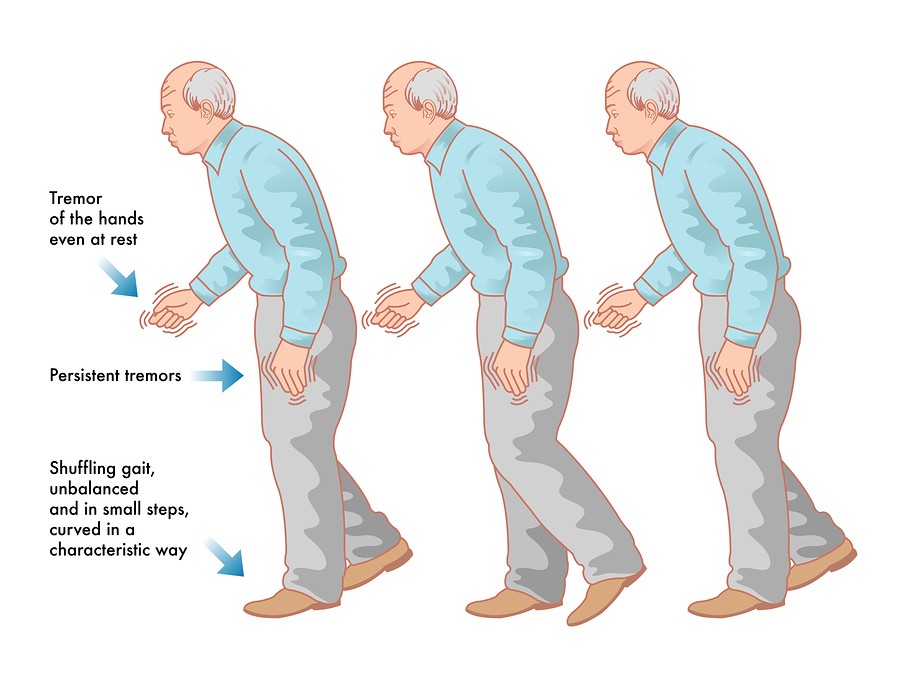
In Parkinson’s Disease, "ON" and "OFF" phases refer to the fluctuation in symptom control related to medication. The "ON" phase is when the medication (Levodopa) is working effectively, and symptoms like tremor and stiffness are well-controlled. The "OFF" phase occurs when the medication wears off before the next dose is due, causing symptoms to return. Managing these fluctuations is a key part of long-term Parkinson's care.
The Rollercoaster of Medication
For many patients in the early stages of Parkinson's, medication works smoothly throughout the day. However, as the disease progresses, the brain's ability to store dopamine decreases. This leads to a shorter duration of benefit from each dose, resulting in motor fluctuations known as "ON-OFF" phenomena.
The "ON" Phase
What it feels like: The patient feels relatively normal. Movement is fluid, tremors are suppressed, and walking is easier.
The Goal: The aim of treatment is to maximize "good ON time"—time spent with good symptom control and without troublesome side effects.
Complication (Dyskinesia): Sometimes, if dopamine levels get too high during the ON phase, it can cause dyskinesia—involuntary, twisting, or writhing movements. This is different from the tremor of Parkinson's.
The "OFF" Phase
What it feels like: It feels like a battery running out of power. Symptoms return, sometimes abruptly.
Motor Symptoms: Stiffness, slowness, tremor, and difficulty walking (freezing of gait).
Non-Motor Symptoms: Anxiety, fatigue, sweating, clouding of thought, or pain can also occur during OFF periods.
Morning OFF: Waking up with severe stiffness because the medication has worn off overnight.
Why Do Fluctuations Happen?
Disease Progression: As fewer dopamine-producing cells remain, the brain relies more heavily on the immediate delivery of medication.
Gastric Emptying: Levodopa is absorbed in the small intestine. If the stomach empties slowly (gastroparesis) or if protein in a meal interferes with absorption, the medication may kick in late or not at all.
Managing the Fluctuations
Doctors use several strategies to smooth out the "peaks and valleys."
1. Medication Adjustments
Fractionation: Taking smaller doses more frequently.
Extended Release: Using controlled-release formulations of Levodopa.
COMT Inhibitors / MAO-B Inhibitors: Adding drugs that prolong the life of dopamine in the brain.
2. Diet Management
Protein Redistribution: Eating most protein at dinner so it doesn't interfere with daytime medication absorption.
3. Advanced Therapies
Apomorphine Pump/Pen: A fast-acting dopamine agonist used as a "rescue" for sudden OFF periods.
Deep Brain Stimulation (DBS): Electrical stimulation can provide constant symptom control and reduce medication dependence.
Duodopa Gel: Continuous infusion of Levodopa directly into the intestine.
Key Takeaways
Communication is key: Keep a diary of when you take meds and when symptoms return to show your doctor.
Don't skip doses: Consistency helps prevent OFF periods.
Watch the protein: Be mindful of high-protein meals near medication times.
It's manageable: While frustrating, there are many medical and surgical options to reduce OFF time.
FAQ
Q: Does everyone get ON-OFF fluctuations?
A: Most patients will experience them eventually, usually after 3-5 years of Levodopa treatment.
Q: Is "OFF" time dangerous?
A: It can be risky due to the increased chance of falls or choking (dysphagia). It is also very uncomfortable and anxiety-inducing.
Q: What is "Wearing Off"?
A: This is the predictable return of symptoms right before the next dose is due. It is the first sign that the medication regimen needs adjustment.
In Parkinson’s Disease, "ON" and "OFF" phases refer to the fluctuation in symptom control related to medication. The "ON" phase is when the medication (Levodopa) is working effectively, and symptoms like tremor and stiffness are well-controlled. The "OFF" phase occurs when the medication wears off before the next dose is due, causing symptoms to return. Managing these fluctuations is a key part of long-term Parkinson's care.
The Rollercoaster of Medication
For many patients in the early stages of Parkinson's, medication works smoothly throughout the day. However, as the disease progresses, the brain's ability to store dopamine decreases. This leads to a shorter duration of benefit from each dose, resulting in motor fluctuations known as "ON-OFF" phenomena.
The "ON" Phase
What it feels like: The patient feels relatively normal. Movement is fluid, tremors are suppressed, and walking is easier.
The Goal: The aim of treatment is to maximize "good ON time"—time spent with good symptom control and without troublesome side effects.
Complication (Dyskinesia): Sometimes, if dopamine levels get too high during the ON phase, it can cause dyskinesia—involuntary, twisting, or writhing movements. This is different from the tremor of Parkinson's.
The "OFF" Phase
What it feels like: It feels like a battery running out of power. Symptoms return, sometimes abruptly.
Motor Symptoms: Stiffness, slowness, tremor, and difficulty walking (freezing of gait).
Non-Motor Symptoms: Anxiety, fatigue, sweating, clouding of thought, or pain can also occur during OFF periods.
Morning OFF: Waking up with severe stiffness because the medication has worn off overnight.
Why Do Fluctuations Happen?
Disease Progression: As fewer dopamine-producing cells remain, the brain relies more heavily on the immediate delivery of medication.
Gastric Emptying: Levodopa is absorbed in the small intestine. If the stomach empties slowly (gastroparesis) or if protein in a meal interferes with absorption, the medication may kick in late or not at all.
Managing the Fluctuations
Doctors use several strategies to smooth out the "peaks and valleys."
1. Medication Adjustments
Fractionation: Taking smaller doses more frequently.
Extended Release: Using controlled-release formulations of Levodopa.
COMT Inhibitors / MAO-B Inhibitors: Adding drugs that prolong the life of dopamine in the brain.
2. Diet Management
Protein Redistribution: Eating most protein at dinner so it doesn't interfere with daytime medication absorption.
3. Advanced Therapies
Apomorphine Pump/Pen: A fast-acting dopamine agonist used as a "rescue" for sudden OFF periods.
Deep Brain Stimulation (DBS): Electrical stimulation can provide constant symptom control and reduce medication dependence.
Duodopa Gel: Continuous infusion of Levodopa directly into the intestine.
Key Takeaways
Communication is key: Keep a diary of when you take meds and when symptoms return to show your doctor.
Don't skip doses: Consistency helps prevent OFF periods.
Watch the protein: Be mindful of high-protein meals near medication times.
It's manageable: While frustrating, there are many medical and surgical options to reduce OFF time.
FAQ
Q: Does everyone get ON-OFF fluctuations?
A: Most patients will experience them eventually, usually after 3-5 years of Levodopa treatment.
Q: Is "OFF" time dangerous?
A: It can be risky due to the increased chance of falls or choking (dysphagia). It is also very uncomfortable and anxiety-inducing.
Q: What is "Wearing Off"?
A: This is the predictable return of symptoms right before the next dose is due. It is the first sign that the medication regimen needs adjustment.
Subscribe to our newsletter
© Copyright 2026 . All Rights Reserved

© Copyright 2026 . All Rights Reserved