
Orthostatic Hypotension in Parkinson’s: Symptoms, Causes & Blood Pressure Management
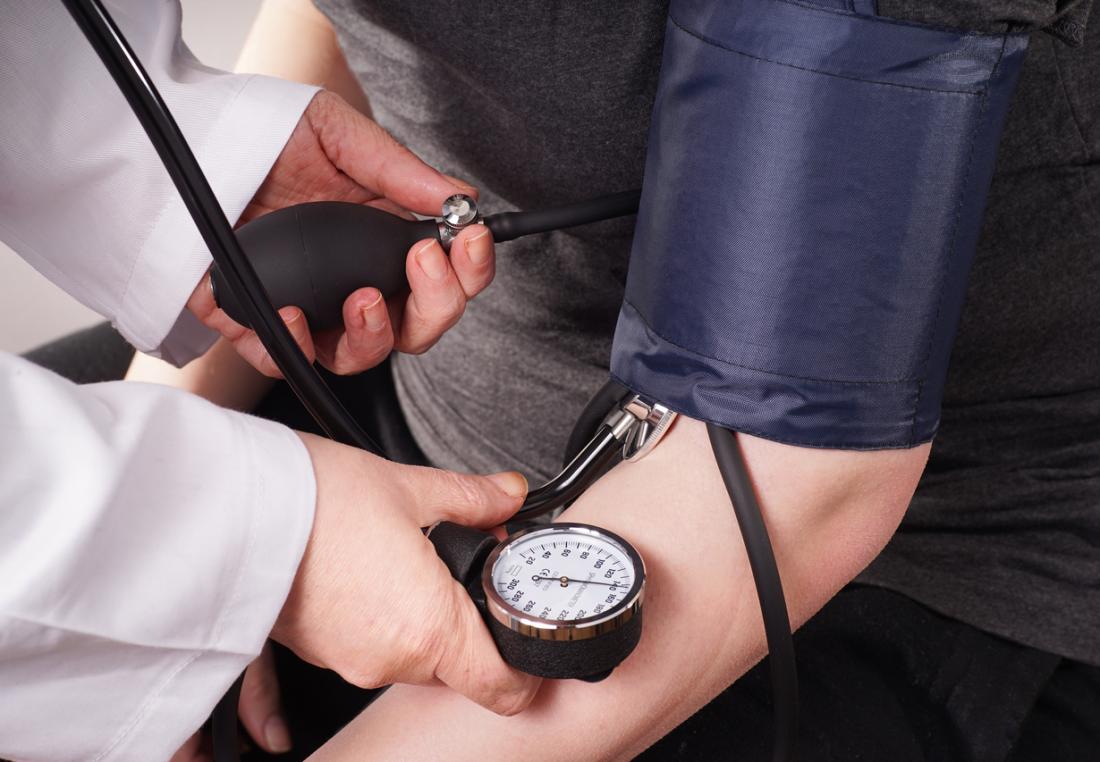
Parkinson’s Disease (PD) often disrupts the body's ability to regulate blood pressure, leading to a condition called Neurogenic Orthostatic Hypotension (nOH). This causes a sudden drop in blood pressure when standing up, leading to dizziness, lightheadedness, and fainting. Conversely, some patients experience high blood pressure while lying down (supine hypertension). Managing these fluctuations is critical to preventing falls and protecting heart health.
The Autonomic Failure
The autonomic nervous system controls things we don't think about, like heart rate and blood pressure. In healthy people, when you stand up, your blood vessels constrict (tighten) to push blood up to your brain against gravity. In Parkinson's, the nerves that send this "tighten" signal are damaged. The blood pools in the legs, and the brain gets deprived of oxygen.
What is Neurogenic Orthostatic Hypotension (nOH)?
Definition: A drop in systolic BP of at least 20 mm Hg or diastolic BP of 10 mm Hg within 3 minutes of standing.
Symptoms:
Dizziness or "seeing stars" upon standing.
Weakness in the legs ("coat hanger pain" in the neck and shoulders).
Fainting (Syncope).
Brain fog or confusion.
Supine Hypertension
Ideally, we want to raise low blood pressure. But the complication is that many people with nOH have high blood pressure when they lie flat. This makes treatment a balancing act.
Triggers for Low Blood Pressure
Dehydration: Low fluid volume = low pressure.
Heat: Hot weather or hot showers dilate blood vessels, lowering pressure.
Meals: Blood rushes to the stomach to digest food (postprandial hypotension).
Medications: Levodopa and Dopamine Agonists can lower blood pressure as a side effect.
Management Strategies
1. Lifestyle Changes (The First Line of Defense)
Hydration: Drink plenty of water. Sometimes increasing salt intake is recommended (under doctor's supervision).
Slow Movements: Change positions slowly. Sit on the edge of the bed for a minute before standing.
Compression Stockings: These help squeeze blood up from the legs.
Elevate the Head: Sleep with the head of the bed elevated (using a wedge or blocks) to prevent high blood pressure at night and help with low pressure in the morning.
2. Diet
Small Meals: Avoid large, heavy meals that divert blood to the gut.
Caffeine: A cup of coffee with a meal can help constrict blood vessels.
3. Medications
If lifestyle changes aren't enough, doctors may prescribe drugs to raise blood pressure, such as:
Fludrocortisone: Increases blood volume.
Midodrine: Constricts blood vessels.
Droxidopa: A precursor to norepinephrine.
Key Takeaways
Falls Warning: nOH is a major cause of falls in PD. Never ignore dizziness.
Check BP correctly: Measure it while lying down, and then again after standing for 1-3 minutes to catch the drop.
Review all meds: High blood pressure meds for heart issues might need to be reduced or stopped if nOH develops.
Stay cool: Avoid hot baths and saunas.
FAQ
Q: Can I have high blood pressure and nOH at the same time?
A: Yes, this is very common. You might have high BP when sitting/lying down and dangerously low BP when standing. This is why treatment is tricky.
Q: Why does my neck hurt when I stand up?
A: This is called "coat hanger pain." It happens because the muscles in the neck and shoulders aren't getting enough blood flow. It usually goes away when you sit or lie down.
Q: Is nOH dangerous?
A: Yes, primarily because of the risk of fainting and falling, which can lead to fractures or head injuries.
Parkinson’s Disease (PD) often disrupts the body's ability to regulate blood pressure, leading to a condition called Neurogenic Orthostatic Hypotension (nOH). This causes a sudden drop in blood pressure when standing up, leading to dizziness, lightheadedness, and fainting. Conversely, some patients experience high blood pressure while lying down (supine hypertension). Managing these fluctuations is critical to preventing falls and protecting heart health.
The Autonomic Failure
The autonomic nervous system controls things we don't think about, like heart rate and blood pressure. In healthy people, when you stand up, your blood vessels constrict (tighten) to push blood up to your brain against gravity. In Parkinson's, the nerves that send this "tighten" signal are damaged. The blood pools in the legs, and the brain gets deprived of oxygen.
What is Neurogenic Orthostatic Hypotension (nOH)?
Definition: A drop in systolic BP of at least 20 mm Hg or diastolic BP of 10 mm Hg within 3 minutes of standing.
Symptoms:
Dizziness or "seeing stars" upon standing.
Weakness in the legs ("coat hanger pain" in the neck and shoulders).
Fainting (Syncope).
Brain fog or confusion.
Supine Hypertension
Ideally, we want to raise low blood pressure. But the complication is that many people with nOH have high blood pressure when they lie flat. This makes treatment a balancing act.
Triggers for Low Blood Pressure
Dehydration: Low fluid volume = low pressure.
Heat: Hot weather or hot showers dilate blood vessels, lowering pressure.
Meals: Blood rushes to the stomach to digest food (postprandial hypotension).
Medications: Levodopa and Dopamine Agonists can lower blood pressure as a side effect.
Management Strategies
1. Lifestyle Changes (The First Line of Defense)
Hydration: Drink plenty of water. Sometimes increasing salt intake is recommended (under doctor's supervision).
Slow Movements: Change positions slowly. Sit on the edge of the bed for a minute before standing.
Compression Stockings: These help squeeze blood up from the legs.
Elevate the Head: Sleep with the head of the bed elevated (using a wedge or blocks) to prevent high blood pressure at night and help with low pressure in the morning.
2. Diet
Small Meals: Avoid large, heavy meals that divert blood to the gut.
Caffeine: A cup of coffee with a meal can help constrict blood vessels.
3. Medications
If lifestyle changes aren't enough, doctors may prescribe drugs to raise blood pressure, such as:
Fludrocortisone: Increases blood volume.
Midodrine: Constricts blood vessels.
Droxidopa: A precursor to norepinephrine.
Key Takeaways
Falls Warning: nOH is a major cause of falls in PD. Never ignore dizziness.
Check BP correctly: Measure it while lying down, and then again after standing for 1-3 minutes to catch the drop.
Review all meds: High blood pressure meds for heart issues might need to be reduced or stopped if nOH develops.
Stay cool: Avoid hot baths and saunas.
FAQ
Q: Can I have high blood pressure and nOH at the same time?
A: Yes, this is very common. You might have high BP when sitting/lying down and dangerously low BP when standing. This is why treatment is tricky.
Q: Why does my neck hurt when I stand up?
A: This is called "coat hanger pain." It happens because the muscles in the neck and shoulders aren't getting enough blood flow. It usually goes away when you sit or lie down.
Q: Is nOH dangerous?
A: Yes, primarily because of the risk of fainting and falling, which can lead to fractures or head injuries.
Subscribe to our newsletter
© Copyright 2026 . All Rights Reserved

© Copyright 2026 . All Rights Reserved