
On and Off Phases in Parkinson's Disease: Managing Motor Fluctuations
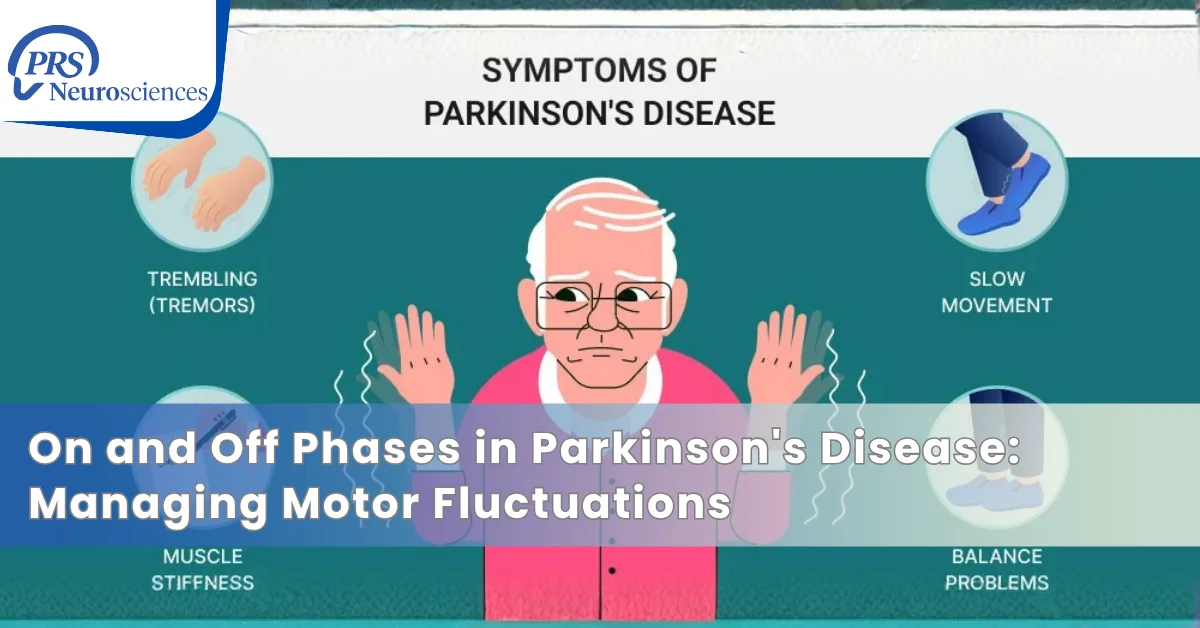
Parkinson's disease often brings unpredictable motor ups and downs known as on and off phases. These fluctuations challenge daily life, but targeted strategies can smooth them out significantly.
Understanding On and Off Phases
On phases occur when medications effectively boost dopamine levels, allowing smooth movements and normal function. Patients feel energized, coordinated, and independent during these times. Off phases strike when medication wanes, leading to stiffness, slowness, and tremors that halt routine tasks.
These swings typically emerge after years of levodopa treatment, as the brain's dopamine-producing cells dwindle further. Long-term levodopa use triggers wearing-off effects, where benefits fade prematurely between doses. Factors like stress, missed meals, or infections worsen off episodes, turning predictable days chaotic.
Causes of Motor Fluctuations
Motor fluctuations stem from Parkinson's progressive loss of dopamine neurons in the substantia nigra. Early disease stages respond steadily to levodopa, but advanced stages reveal erratic dopamine delivery.
Levodopa's short half-life—about 90 minutes—creates peaks and troughs in brain levels, unlike natural dopamine pulsatile release. Disease progression shortens on durations, while dyskinesias (involuntary movements) complicate peak-dose on phases. Non-motor triggers, such as anxiety or poor sleep, amplify these issues indirectly.
Recognizing Early Signs
Patients notice off phases as sudden freezing, reduced arm swing, or speech softening midway between doses. On phases might include peak-dose dyskinesias—writhing or bobbing motions that disrupt focus.
Diaries tracking symptoms hourly help pinpoint patterns, like morning akinesia or afternoon wearing-off. Wearable devices now monitor tremors and gait, offering objective data for doctors. Early recognition prevents escalation, enabling timely adjustments.
Impact on Daily Living
Off phases steal productivity, forcing reliance on caregivers for basic mobility. Social withdrawal follows, as unpredictable symptoms erode confidence in outings or work.
Family dynamics strain under constant adaptation—meals timed to doses, plans flexible for sudden offs. Quality of life dips, with depression and fatigue compounding motor woes. Yet, proactive management restores autonomy, easing emotional tolls.
Pharmacological Management Options
Levodopa Optimization Strategies
Adjusting levodopa dosing—more frequent smaller amounts—extends on time without excess peaks. Controlled-release formulations like IPX066 prolong effects, reducing off episodes by 1-2 hours daily.
Liquid levodopa acts fastest for rescue during deep offs, bypassing absorption delays from protein-rich meals. Fractionated doses mimic continuous delivery, stabilizing fluctuations.
Adjunct Dopamine Agonists
Agonists like pramipexole or rotigotine patches provide steady stimulation, cutting off time when added to levodopa. Ropinirole extended-release eases nighttime akinesia, smoothing morning starts.
These mimic dopamine directly, lessening levodopa reliance. Side effects like impulse control issues require monitoring, but benefits outweigh risks for many.
MAO-B and COMT Inhibitors
MAO-B inhibitors such as rasagiline or safinamide block dopamine breakdown, extending levodopa's reach by about one hour. Safinamide shines in trials, boosting good-quality on time.
COMT inhibitors like opicapone similarly prolong levodopa, ideal for predictable wearing-off. Combining both maximizes efficacy with minimal added dyskinesias.
Advanced Delivery Systems
Continuous Subcutaneous Infusion
Apomorphine pumps deliver steady agonist infusions, slashing off time dramatically. Patients self-titrate for rapid on rescue, regaining control swiftly.
Foslevodopa-foscarbidopa subcutaneous gel offers levodopa alternative, matching oral efficacy with fewer peaks. These suit severe fluctuators intolerant to oral meds.
Intestinal Gel Therapy
Levodopa-carbidopa intestinal gel (LCIG) via PEG tube bypasses stomach variability, providing 24-hour stability. It cuts off time by 4 hours weekly, improving sleep and mobility.
Ideal for advanced cases, LCIG demands commitment but transforms lives unresponsive to pills.
Device-Aided Therapies
Deep Brain Stimulation (DBS)
Deep brain stimulation (DBS) of the globus pallidus internus zaps erratic signals, reducing off time and dyskinesias by over 50%. Electrodes fine-tuned outpatient yield lasting gains. Moderate evidence backs DBS for function and quality of life, though access limits it in developing regions. Candidacy hinges on good levodopa response minus severe cognitive issues.
Stereotactic Lesioning
While DBS is the modern adjustable standard, stereotactic lesioning remains a vital alternative, particularly when hardware maintenance or frequent programming is impractical. This procedure involves the precise, intentional destruction of overactive brain tissue—such as the globus pallidus (pallidotomy) or thalamus (thalamotomy)—using radiofrequency heat, cryoprobes, or focused ultrasound. By "short-circuiting" the specific neural pathways responsible for tremors and rigidity, it provides a permanent and irreversible reduction in symptoms without the need for implanted batteries or wires. However, because the effects cannot be undone, it requires extreme precision and is typically reserved for patients with unilateral (one-sided) symptoms or those who are not candidates for the long-term upkeep of a stimulator.
Surgical Interventions
Focused ultrasound thalamotomy targets tremors unilaterally, noninvasive for select fluctuators. It reduces meds needs, minimizing on-off swings.
DBS remains gold standard for bilateral issues, programmable for evolving disease. Risks like infection stay low at expert centers.
Non-Pharmacological Approaches
Exercise and Physical Therapy
Tailored PT combats rigidity, with cycling or boxing enhancing gait endurance. Amplitude training like LSVT BIG exaggerates movements, retraining brain circuits.
Daily treadmill walks, familiar to fitness enthusiasts, sustain dopamine release naturally. Group classes foster adherence, blending social support with gains.
Dietary Adjustments
Protein redistribution—most after evening—prevents levodopa competition. High-fiber meals aid digestion, while hydration curbs constipation worsening constipation.
Vitamin D and omega-3s show promise in stabilizing moods and motors, worth discussing routinely.
Monitoring and Patient Diaries
Apps like mPower track symptoms real-time, correlating with meds and mood. Diaries reveal predictors—caffeine delays offs, stress hastens them.
Wearables alert to bradykinesia onset, prompting preemptive dosing. Data empowers shared decisions with neurologists.
Neuro-rehabilitation
Comprehensive neuro-rehabilitation is a cornerstone of long-term management, targeting symptoms that medication alone cannot fully reach. Physical Therapy (PT) is essential for refining movement, improving gait stability, and preventing falls, while Occupational Therapy (OT) focuses on adapting the home environment and daily tasks to preserve independence. To address vital functional needs, Speech and Swallow therapy works on vocal volume and safe swallowing techniques, and Cognitive Therapy helps patients navigate challenges with memory, focus, and executive planning.
Neurologists continue to orchestrate medication schedules, while Psychologists tackle the anxiety that often exacerbates "off" periods and Dietitians optimize nutrition to ensure consistent drug absorption. Beyond clinical walls, support groups help demystify daily fluctuations, sharing peer-to-peer hacks like using rhythmic cues for "freezing" or speech exercises for soft "off" voices. Together, these teams personalize the approach, maximizing holistic control over the disease.
Emerging Therapies and Research
2025 trials spotlight ND0612 subcutaneous levodopa, promising pump-free continuity. Gene therapies aim dopamine restoration long-term.
Opicapone nightly dosing gains traction for simplicity. Personalized medicine via genetics tailors regimens, exciting futures.
Lifestyle Tips for Stability
Routine Sleep: 7-9 hours nightly stabilizes dopamine rhythms.
Stress Busters: Mindfulness or yoga preempts off triggers.
Timed Meals: Carbs boost levodopa uptake sans protein clash.
Hydration Habits: 2 liters daily prevents urinary offs.
These habits compound meds, fostering resilience.
Challenges in Low-Resource Settings
Cost barriers often sideline advanced interventions like DBS or pump-based infusions in developing regions like India, where private packages for stimulators can range from ₹15 to ₹30 lakhs. In these settings, Stereotactic Lesioning emerges as a powerful, cost-effective lifeline. Because it requires no implanted hardware, batteries, or long-term programming, lesioning can be performed at approximately 1/8th the cost of DBS. This "one-and-done" nature makes it an accessible surgical alternative for those in remote areas who cannot afford the high upfront costs or the logistical burden of traveling for regular device adjustments.
For those managed medically, generic adjuncts and consistent physical therapy remain the primary accessible lifelines. Telemedicine has begun to bridge the vast urban-rural gaps, providing a vital platform for neurologists to perform "ongoing tweaks" to medication schedules without requiring the patient to travel hundreds of kilometers. Simultaneously, community-led programs and local support groups are scaling education affordably, empowering patients with the knowledge to manage their symptoms effectively within their own environments.
Patient Stories and Motivation
John, a 65-year-old retiree, halved offs via LCIG, resuming golf. Maria's DBS freed her teaching career post-decades struggle.
Such tales underscore hope—fluctuations manageable, not defining.
Parkinson's disease often brings unpredictable motor ups and downs known as on and off phases. These fluctuations challenge daily life, but targeted strategies can smooth them out significantly.
Understanding On and Off Phases
On phases occur when medications effectively boost dopamine levels, allowing smooth movements and normal function. Patients feel energized, coordinated, and independent during these times. Off phases strike when medication wanes, leading to stiffness, slowness, and tremors that halt routine tasks.
These swings typically emerge after years of levodopa treatment, as the brain's dopamine-producing cells dwindle further. Long-term levodopa use triggers wearing-off effects, where benefits fade prematurely between doses. Factors like stress, missed meals, or infections worsen off episodes, turning predictable days chaotic.
Causes of Motor Fluctuations
Motor fluctuations stem from Parkinson's progressive loss of dopamine neurons in the substantia nigra. Early disease stages respond steadily to levodopa, but advanced stages reveal erratic dopamine delivery.
Levodopa's short half-life—about 90 minutes—creates peaks and troughs in brain levels, unlike natural dopamine pulsatile release. Disease progression shortens on durations, while dyskinesias (involuntary movements) complicate peak-dose on phases. Non-motor triggers, such as anxiety or poor sleep, amplify these issues indirectly.
Recognizing Early Signs
Patients notice off phases as sudden freezing, reduced arm swing, or speech softening midway between doses. On phases might include peak-dose dyskinesias—writhing or bobbing motions that disrupt focus.
Diaries tracking symptoms hourly help pinpoint patterns, like morning akinesia or afternoon wearing-off. Wearable devices now monitor tremors and gait, offering objective data for doctors. Early recognition prevents escalation, enabling timely adjustments.
Impact on Daily Living
Off phases steal productivity, forcing reliance on caregivers for basic mobility. Social withdrawal follows, as unpredictable symptoms erode confidence in outings or work.
Family dynamics strain under constant adaptation—meals timed to doses, plans flexible for sudden offs. Quality of life dips, with depression and fatigue compounding motor woes. Yet, proactive management restores autonomy, easing emotional tolls.
Pharmacological Management Options
Levodopa Optimization Strategies
Adjusting levodopa dosing—more frequent smaller amounts—extends on time without excess peaks. Controlled-release formulations like IPX066 prolong effects, reducing off episodes by 1-2 hours daily.
Liquid levodopa acts fastest for rescue during deep offs, bypassing absorption delays from protein-rich meals. Fractionated doses mimic continuous delivery, stabilizing fluctuations.
Adjunct Dopamine Agonists
Agonists like pramipexole or rotigotine patches provide steady stimulation, cutting off time when added to levodopa. Ropinirole extended-release eases nighttime akinesia, smoothing morning starts.
These mimic dopamine directly, lessening levodopa reliance. Side effects like impulse control issues require monitoring, but benefits outweigh risks for many.
MAO-B and COMT Inhibitors
MAO-B inhibitors such as rasagiline or safinamide block dopamine breakdown, extending levodopa's reach by about one hour. Safinamide shines in trials, boosting good-quality on time.
COMT inhibitors like opicapone similarly prolong levodopa, ideal for predictable wearing-off. Combining both maximizes efficacy with minimal added dyskinesias.
Advanced Delivery Systems
Continuous Subcutaneous Infusion
Apomorphine pumps deliver steady agonist infusions, slashing off time dramatically. Patients self-titrate for rapid on rescue, regaining control swiftly.
Foslevodopa-foscarbidopa subcutaneous gel offers levodopa alternative, matching oral efficacy with fewer peaks. These suit severe fluctuators intolerant to oral meds.
Intestinal Gel Therapy
Levodopa-carbidopa intestinal gel (LCIG) via PEG tube bypasses stomach variability, providing 24-hour stability. It cuts off time by 4 hours weekly, improving sleep and mobility.
Ideal for advanced cases, LCIG demands commitment but transforms lives unresponsive to pills.
Device-Aided Therapies
Deep Brain Stimulation (DBS)
Deep brain stimulation (DBS) of the globus pallidus internus zaps erratic signals, reducing off time and dyskinesias by over 50%. Electrodes fine-tuned outpatient yield lasting gains. Moderate evidence backs DBS for function and quality of life, though access limits it in developing regions. Candidacy hinges on good levodopa response minus severe cognitive issues.
Stereotactic Lesioning
While DBS is the modern adjustable standard, stereotactic lesioning remains a vital alternative, particularly when hardware maintenance or frequent programming is impractical. This procedure involves the precise, intentional destruction of overactive brain tissue—such as the globus pallidus (pallidotomy) or thalamus (thalamotomy)—using radiofrequency heat, cryoprobes, or focused ultrasound. By "short-circuiting" the specific neural pathways responsible for tremors and rigidity, it provides a permanent and irreversible reduction in symptoms without the need for implanted batteries or wires. However, because the effects cannot be undone, it requires extreme precision and is typically reserved for patients with unilateral (one-sided) symptoms or those who are not candidates for the long-term upkeep of a stimulator.
Surgical Interventions
Focused ultrasound thalamotomy targets tremors unilaterally, noninvasive for select fluctuators. It reduces meds needs, minimizing on-off swings.
DBS remains gold standard for bilateral issues, programmable for evolving disease. Risks like infection stay low at expert centers.
Non-Pharmacological Approaches
Exercise and Physical Therapy
Tailored PT combats rigidity, with cycling or boxing enhancing gait endurance. Amplitude training like LSVT BIG exaggerates movements, retraining brain circuits.
Daily treadmill walks, familiar to fitness enthusiasts, sustain dopamine release naturally. Group classes foster adherence, blending social support with gains.
Dietary Adjustments
Protein redistribution—most after evening—prevents levodopa competition. High-fiber meals aid digestion, while hydration curbs constipation worsening constipation.
Vitamin D and omega-3s show promise in stabilizing moods and motors, worth discussing routinely.
Monitoring and Patient Diaries
Apps like mPower track symptoms real-time, correlating with meds and mood. Diaries reveal predictors—caffeine delays offs, stress hastens them.
Wearables alert to bradykinesia onset, prompting preemptive dosing. Data empowers shared decisions with neurologists.
Neuro-rehabilitation
Comprehensive neuro-rehabilitation is a cornerstone of long-term management, targeting symptoms that medication alone cannot fully reach. Physical Therapy (PT) is essential for refining movement, improving gait stability, and preventing falls, while Occupational Therapy (OT) focuses on adapting the home environment and daily tasks to preserve independence. To address vital functional needs, Speech and Swallow therapy works on vocal volume and safe swallowing techniques, and Cognitive Therapy helps patients navigate challenges with memory, focus, and executive planning.
Neurologists continue to orchestrate medication schedules, while Psychologists tackle the anxiety that often exacerbates "off" periods and Dietitians optimize nutrition to ensure consistent drug absorption. Beyond clinical walls, support groups help demystify daily fluctuations, sharing peer-to-peer hacks like using rhythmic cues for "freezing" or speech exercises for soft "off" voices. Together, these teams personalize the approach, maximizing holistic control over the disease.
Emerging Therapies and Research
2025 trials spotlight ND0612 subcutaneous levodopa, promising pump-free continuity. Gene therapies aim dopamine restoration long-term.
Opicapone nightly dosing gains traction for simplicity. Personalized medicine via genetics tailors regimens, exciting futures.
Lifestyle Tips for Stability
Routine Sleep: 7-9 hours nightly stabilizes dopamine rhythms.
Stress Busters: Mindfulness or yoga preempts off triggers.
Timed Meals: Carbs boost levodopa uptake sans protein clash.
Hydration Habits: 2 liters daily prevents urinary offs.
These habits compound meds, fostering resilience.
Challenges in Low-Resource Settings
Cost barriers often sideline advanced interventions like DBS or pump-based infusions in developing regions like India, where private packages for stimulators can range from ₹15 to ₹30 lakhs. In these settings, Stereotactic Lesioning emerges as a powerful, cost-effective lifeline. Because it requires no implanted hardware, batteries, or long-term programming, lesioning can be performed at approximately 1/8th the cost of DBS. This "one-and-done" nature makes it an accessible surgical alternative for those in remote areas who cannot afford the high upfront costs or the logistical burden of traveling for regular device adjustments.
For those managed medically, generic adjuncts and consistent physical therapy remain the primary accessible lifelines. Telemedicine has begun to bridge the vast urban-rural gaps, providing a vital platform for neurologists to perform "ongoing tweaks" to medication schedules without requiring the patient to travel hundreds of kilometers. Simultaneously, community-led programs and local support groups are scaling education affordably, empowering patients with the knowledge to manage their symptoms effectively within their own environments.
Patient Stories and Motivation
John, a 65-year-old retiree, halved offs via LCIG, resuming golf. Maria's DBS freed her teaching career post-decades struggle.
Such tales underscore hope—fluctuations manageable, not defining.
Subscribe to our newsletter
© Copyright 2026 . All Rights Reserved

© Copyright 2026 . All Rights Reserved