
Parkinson's Disease Treatment Options: Medication and Surgical Solutions
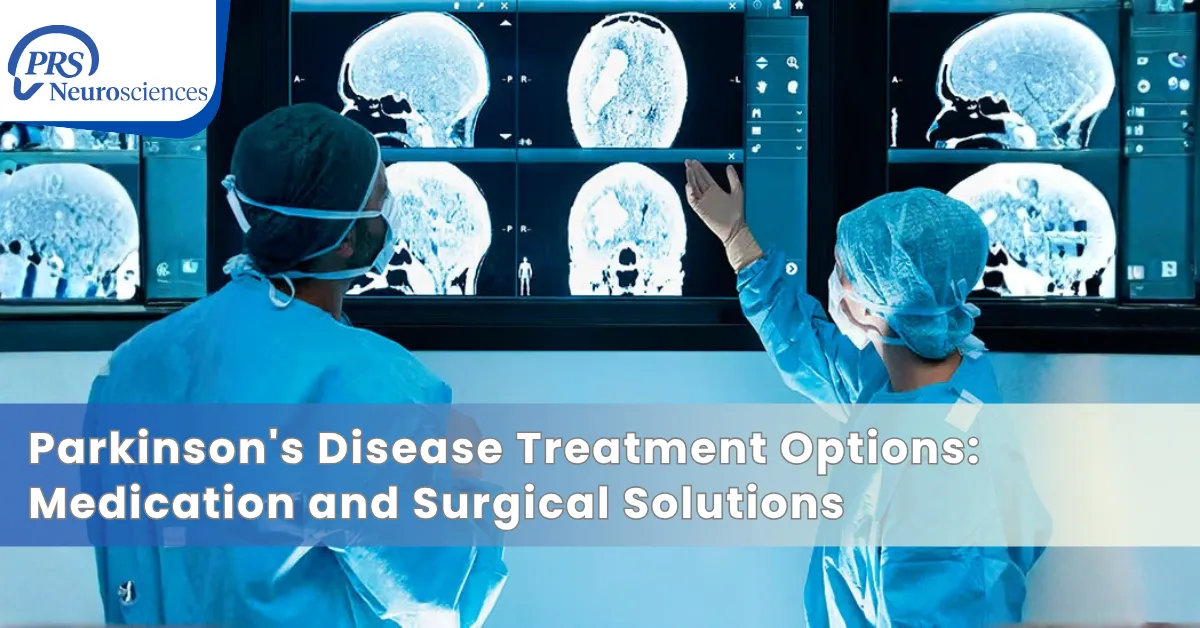
Parkinson's disease presents one of the most complex treatment challenges in neurology. Unlike many neurological conditions, it does not have a cure, but the landscape of available treatment options has expanded dramatically over the past two decades. Patients diagnosed with Parkinson's today have access to a diverse arsenal of medications and surgical interventions that, when properly sequenced and combined, can significantly maintain quality of life and functional independence. The choice between medication and surgical approaches depends on disease progression, patient age, symptom profile, and individual tolerance of side effects—a determination that requires careful collaboration between patient and movement disorder specialist.
This article explores the full spectrum of treatment options currently available for Parkinson's disease, examining both the mechanisms by which these therapies work and the clinical circumstances under which they should be considered.
The Foundation of Treatment: Understanding Parkinson's Pathophysiology
Before discussing specific treatments, understanding what happens in Parkinson's disease illuminates why particular medications and procedures work. Parkinson's fundamentally involves the progressive loss of dopamine-producing neurons in the basal ganglia, particularly in a region called the substantia nigra. Dopamine is a critical neurotransmitter that orchestrates smooth, coordinated movement. As these neurons degenerate, dopamine levels plummet, resulting in the hallmark motor symptoms: tremor, rigidity (muscle stiffness), bradykinesia (slowness of movement), and postural instability.
The primary therapeutic strategy has remained consistent since the 1960s: replace or mimic dopamine's function in the brain. However, the complexity arises because dopamine itself cannot cross the blood-brain barrier—the protective mechanism that prevents many molecules from entering the central nervous system. This biochemical barrier necessitates clever pharmaceutical approaches that will be discussed throughout this article.
Medication-Based Treatments
Levodopa (L-DOPA): The Gold Standard
Levodopa represents the most potent and effective medication for Parkinson's disease motor symptoms. Its discovery in the late 1960s transformed the disease from a progressive disability into a manageable condition, earning recognition as one of the most important pharmaceutical breakthroughs in medical history.
Levodopa works by crossing the blood-brain barrier where dopamine itself cannot. Once in the brain, the enzyme DOPA decarboxylase converts levodopa into dopamine, effectively restoring the neurotransmitter that Parkinson's disease depletes. In pill form, oral levodopa is absorbed through the small intestine and transported to the brain, where it exerts its therapeutic effect on movement control.
However, levodopa presents a clinical paradox. While it remains the most effective treatment for reducing motor symptoms—particularly slowness, rigidity, and tremor—it is nearly always prescribed in combination with carbidopa, a decarboxylase inhibitor. Without carbidopa, levodopa is rapidly converted to dopamine in the body's peripheral tissues before reaching the brain, causing nausea, vomiting, and other gastrointestinal side effects. Carbidopa blocks this peripheral conversion without crossing the blood-brain barrier itself, ensuring more levodopa reaches its intended target while minimizing side effects.
Clinical practice typically initiates levodopa therapy when symptoms become difficult to manage with other medications. While some clinicians reserve levodopa for more advanced disease to potentially delay motor complications, the medication's superior efficacy and safety profile have made earlier use increasingly common, particularly when symptom burden significantly impacts daily function.
Dopamine Agonists: Extending Treatment Options
Dopamine agonists represent a fundamentally different pharmacological approach. Rather than providing a precursor that must be converted to dopamine, these medications directly stimulate dopamine receptors in the brain, mimicking dopamine's natural action. This direct mechanism explains why dopamine agonists can be effective without conversion in the brain.
The dopamine agonist family divides into two chemical classes. Non-ergoline agonists—primarily pramipexole and ropinirole—have largely replaced older ergoline-derived agonists like bromocriptine in clinical practice due to superior tolerability. Both are particularly valuable in early Parkinson's disease when used as monotherapy or in combination with levodopa to reduce total levodopa requirements.
When used early in disease, dopamine agonists offer a theoretical advantage: they may delay the onset of levodopa-related motor complications. As disease progresses and patients require higher levodopa doses, adding a dopamine agonist can reduce off-time (periods when medication effectiveness wanes) and decrease the total levodopa dose necessary—a beneficial outcome since higher levodopa doses correlate with increased dyskinesia risk.
The trade-off involves tolerability. Dopamine agonists carry higher rates of specific adverse effects compared to other medication classes. Excessive daytime somnolence affects some patients, causing unexpected sleep episodes that create safety concerns for driving and machinery operation. Hallucinations and impulse control disorders—including gambling, hypersexuality, and compulsive shopping—represent serious psychiatric complications requiring medication discontinuation. For these reasons, dopamine agonists demand cautious use, particularly in elderly patients with cognitive vulnerability.
Enzyme Inhibitors: MAO-B and COMT Inhibitors
A more subtle approach to dopamine management involves blocking the enzymes responsible for dopamine breakdown. Two enzyme classes receive clinical attention: monoamine oxidase type B (MAO-B) and catechol-O-methyltransferase (COMT).
MAO-B inhibitors—including selegiline, rasagiline, and safinamide—slow the enzymatic destruction of dopamine already present in the brain. By preserving endogenous dopamine longer, these medications modestly improve motor symptoms and extend the duration of levodopa effectiveness. They can be used as monotherapy in early disease or combined with levodopa in advanced disease to reduce off-time and decrease medication fluctuations. Their side effect profile is remarkably favorable: mild nausea, dry mouth, lightheadedness, and occasional confusion in elderly patients represent the primary concerns.
Importantly, early animal research suggested MAO-B inhibitors might offer neuroprotection—slowing or halting neurodegeneration itself—though human trials have not yet demonstrated true disease modification. Nonetheless, their safety and efficacy have made MAO-B inhibitors increasingly recognized as potentially underutilized in advanced disease where they demonstrate equal efficacy to dopamine agonists with superior tolerability.
COMT inhibitors follow a similar principle by blocking a different dopamine-degrading enzyme. However, clinical evidence demonstrates that COMT inhibitors produce higher adverse event rates compared to MAO-B inhibitors and dopamine agonists when used as adjunctive therapy. Research directly comparing patient-rated quality of life found inferior outcomes with COMT inhibitors, leading many specialists to preferentially recommend MAO-B inhibitors for patients requiring medication optimization.
Anticholinergic Medications: A Historical Legacy
Anticholinergic drugs such as benztropine and trihexyphenidyl appear less frequently in modern Parkinson's management. These medications block acetylcholine, a neurotransmitter whose relative excess contributes to tremor when dopamine is deficient. While effective for tremor reduction, anticholinergic side effects—blurred vision, urinary retention, confusion, and cognitive decline—make them problematic, particularly in elderly and cognitively vulnerable populations. Their use today is restricted to younger, cognitively intact patients with tremor-dominant disease unresponsive to optimized dopaminergic therapy, requiring active monitoring for cognitive safety.
Motor Complications: When Medications Alone Become Insufficient
Long-term levodopa treatment produces a paradox: the medication that enables function becomes the source of disabling complications. Understanding these complications guides decisions regarding medication adjustment, addition of adjunctive agents, or consideration of surgical intervention.
Wearing-Off Phenomenon
The wearing-off effect represents the most common initial motor complication. Patients experience predictable symptom return within two to four hours after a levodopa dose—a phenomenon absent in early disease when medication benefit remains stable throughout the day. Wearing-off reflects the progressive loss of dopamine-storing capacity in remaining neurons. With fewer neurons available to store and buffer dopamine, medication effect becomes more directly dependent on circulating drug levels. As blood levodopa concentration drops between doses, symptom control deteriorates.
On-Off Fluctuations
As disease advances, the initial predictability of wearing-off gives way to erratic, unpredictable motor state changes. Patients may transition suddenly from good medication response (on state) to poor response (off state) regardless of medication timing. These on-off fluctuations substantially impair quality of life and functional independence, as patients cannot reliably predict when medication will work.
Dyskinesias: Involuntary Movement Complications
Dyskinesias represent involuntary, erratic writhing movements typically affecting the face, arms, legs, or trunk. Peak-dose dyskinesia, the most common form, consists of stereotyped choreic or ballistic movements that increase with higher levodopa doses. The paradox is cruel: the medication dose necessary to control Parkinson's symptoms simultaneously produces involuntary movements that impair function.
Dyskinesias develop after years of levodopa treatment and affect 60-90% of patients within five to ten years of therapy initiation. Younger patients experience earlier dyskinesia onset, with some developing these movements within just a few years. The mechanism involves altered neural plasticity in the basal ganglia from chronic dopamine replacement, though complete understanding remains elusive.
Freezing of Gait
Freezing of gait—a sensation of feet being stuck to the floor despite intentional movement attempts—emerges as an increasingly common complication in later disease stages. Affecting up to two-thirds of Parkinson's patients, freezing particularly impacts those with akinetic-rigid disease patterns and occurs more frequently in males. Unlike other motor complications, freezing of gait responds poorly to medication adjustment or dopaminergic dose escalation, sometimes paradoxically worsening with higher doses.
Advanced Medication Delivery: From Pills to Pumps
Recognizing that oral medication limitations contribute to motor complications, pharmaceutical innovation has produced alternative delivery systems maintaining dopaminergic tone without relying on intermittent oral dosing.
Duopa: Continuous Intestinal Infusion
Duopa represents a rational solution to a physiological problem: the Parkinson's disease gut empties slowly and unpredictably, leading to variable levodopa absorption and inconsistent symptom control. Instead of oral tablets dosed every few hours, Duopa delivers a levodopa-carbidopa gel directly into the small intestine via a surgically placed tube connected to a portable pump.
The system operates elegantly for sixteen hours daily. Patients connect the pump each morning, receiving an initial bolus dose that quickly produces an "on" state. The pump then delivers a continuous infusion at a programmed rate, maintaining relatively stable levodopa blood levels. This continuity prevents the dramatic fluctuations that prompt dyskinesia and on-off states.
Clinical benefits are substantial for appropriate candidates. Studies demonstrate approximately thirteen hours of "on" time during the sixteen-hour infusion period, significantly exceeding what oral medication typically provides. Motor fluctuations and dyskinesia often improve dramatically. For patients experiencing substantial off-time and dyskinesia who either cannot undergo or decline brain surgery, Duopa provides a meaningful alternative.
However, Duopa demands commitment. Surgical tube placement carries infection and displacement risks requiring careful management. Patients must clean the tube daily, handle medication cassettes, troubleshoot pump problems, and maintain medical follow-up. The system works exceptionally well for motivated patients but proves problematic for those with cognitive decline or limited support systems.
VYALEV: The New Generation of Continuous Therapy
In October 2024, the FDA approved VYALEV (foscarbidopa and foslevodopa), marking a significant advancement in Parkinson's treatment. As the first and only twenty-four-hour subcutaneous infusion therapy, VYALEV provides continuous dopaminergic therapy without intestinal tube placement. Rather than daily cassette management and pump connection routines, VYALEV offers a subcutaneous patch-like delivery system.
This innovation specifically targets motor fluctuations in advanced Parkinson's disease, representing a valuable option for patients who find Duopa's daily management burdensome or who develop complications requiring simpler therapy. As experience with VYALEV accumulates, it will likely become an increasingly utilized option in the treatment algorithm.
Deep Brain Stimulation (DBS): A Brief Overview
Deep Brain Stimulation involves the implantation of electrodes into specific targets like the Subthalamic Nucleus (STN) or Globus Pallidus interna (GPi). These electrodes are connected to an internal pulse generator (IPG) located in the chest.
While DBS is adjustable, it requires lifelong maintenance, including periodic battery replacements and complex programming sessions. For many patients, the ongoing costs and the presence of foreign hardware in the body are significant deterrents.
Stereotactic Lesioning: The Permanent & Economical Solution
Stereotactic lesioning is a time-tested surgical approach that has seen a modern resurgence due to its precision and cost-effectiveness. Unlike DBS, which uses electrical current to jam abnormal signals, lesioning involves the precise, targeted destruction (ablation) of the specific overactive cells responsible for Parkinsonian symptoms.
How it Works
Using a stereotactic frame and advanced neuroimaging (MRI/CT), surgeons can locate the surgical target with millimeter precision.
Once the target is confirmed, a specialized radiofrequency probe creates a small, controlled thermal lesion. This "reboots" the neural circuitry by permanently silencing the pathological oscillations that cause tremors and rigidity.
Key Surgical Targets
The choice of target depends on the patient's primary symptoms:
Thalamotomy (Ventral Intermedius Nucleus): Exceptionally effective for eliminating disabling tremors.
Pallidotomy (Globus Pallidus interna): The "gold standard" for reducing levodopa-induced dyskinesia (involuntary movements) and improving painful dystonia and rigidity.
Subthalamotomy (Subthalamic Nucleus): Directly addresses the core motor symptoms of PD, often allowing for a significant reduction in medication dosage.
Advantages of Lesioning over DBS
For many patients and healthcare systems, stereotactic lesioning offers several distinct advantages:
Feature | Stereotactic Lesioning | Deep Brain Stimulation (DBS) |
Permanence | One-time procedure; no further surgery needed. | Requires battery changes every 3–5 years (or 15 for rechargeable). |
Cost | Significantly more economical (no expensive hardware). | High upfront and maintenance costs. |
Hardware | No foreign bodies or wires left in the body. | Permanent implant; risk of lead fracture or infection. |
Programming | None required after the initial recovery. | Requires frequent visits for adjustments. |
Accessibility | Ideal for patients in remote areas with limited access to specialists. | Requires close proximity to a center for programming. |
Patient Selection: The "Permanent" Choice
Lesioning is an ideal solution for patients who:
Seek a "one-and-done" surgical fix without the need for future hardware maintenance.
Are concerned about the long-term financial burden of IPG replacements.
Live in regions where frequent travel for DBS programming is not feasible.
Have a history of infections or medical conditions that make implanted hardware risky.
While DBS offers adjustability, the permanence and simplicity of a well-performed stereotactic lesion can provide a dramatic "reboot" to a patient’s quality of life, restoring independence and motor control without the "leash" of an implanted device.
Lesioning Procedures
While Deep Brain Stimulation (DBS) has long been considered the gold standard for movement disorders, lesioning procedures—such as pallidotomy and thalamotomy—are experiencing a modern renaissance. Advancements in magnetic resonance-guided focused ultrasound (MRgFUS) and laser interstitial thermal therapy (LITT) have revolutionized these historical techniques, offering incisionless, highly precise, and real-time image-guided ablation.
Today, modern lesioning is no longer viewed as an irreversible last resort, but rather as a cutting-edge, hardware-free alternative for patients who are poor candidates for DBS or who wish to avoid the long-term maintenance of implanted devices.
Emerging and Investigational Therapies
The pipeline of investigational Parkinson's treatments offers hope for future disease modification. Current medications and DBS address symptoms but do not slow or halt neurodegeneration. Several promising approaches target the underlying disease process.
Cell Replacement and Regenerative Approaches
Stem cell-based therapies aim to replace dopamine-producing neurons lost to Parkinson's disease. Researchers can differentiate pluripotent stem cells into dopaminergic neurons and transplant them into affected brain regions. The concept is scientifically elegant but clinical translation has proven challenging.
Bemdaneprocel, a cell therapy replacing dopamine-producing neurons, has entered Phase 3 trials following FDA granting of regenerative medicine advanced therapy designation. Results may emerge within the next two to three years.
However, current reality demands caution. No FDA-approved stem cell cure for Parkinson's exists as of 2025. Patients must avoid expensive, unregulated clinics promising miracle cures. Participation in legitimate clinical trials through established research institutions remains the only appropriate path for stem cell therapy access.
Gene Therapy Approaches
Gene therapy strategies target the underlying Parkinson's biology, particularly the misfolded protein alpha-synuclein that accumulates in affected neurons. Strategies to reduce alpha-synuclein production using gene-silencing techniques, enhance neuronal survival through neuroprotective genes, or correct genetic defects in familial Parkinson's forms are under active investigation.
Specialized viral vectors deliver therapeutic genes into specific brain cells with remarkable precision. Early-stage trials show promise, but years of development remain before potential clinical availability.
Protein-Targeted Therapeutics
Novel compounds including solengepras specifically target GPR6 receptors on neurons, offering selective motor symptom improvement without broad dopaminergic effects. These selective mechanisms reduce side effects compared to traditional nonspecific dopaminergic medications. Solengepras is under investigation in Phase 3 trials for motor fluctuations.
Treatment Strategy and Patient Counseling
Optimal Parkinson's treatment requires sequential medication optimization before advancing to surgical intervention, though this rule admits exceptions for patients with severe motor complications severely impairing quality of life.
Early-stage disease typically begins with MAO-B inhibitors or dopamine agonists to reduce total dopaminergic burden while maintaining symptom control. As disease progresses, levodopa inevitably becomes necessary when other medications prove insufficient.
Once motor complications emerge—wearing-off, dyskinesia, on-off fluctuations—medication optimization intensifies. Increasing levodopa frequency, adding adjunctive agents (MAO-B or dopamine agonists), or considering Duopa pump therapy may delay surgical consideration.
When medications alone cannot adequately control disabling symptoms, DBS evaluation becomes appropriate. Thorough preoperative assessment determines surgical candidacy and optimal target selection. For patients not suitable for DBS due to cognitive impairment or medical contraindications, Duopa or VYALEV offer meaningful alternatives.
Throughout this treatment journey, patients require realistic goal-setting and active participation in treatment decisions. Parkinson's disease cannot be cured, but modern treatment options enable functional independence and quality of life substantially superior to decades past. The key lies in matching the right treatment to each patient's unique symptom profile, disease stage, and personal values.
Conclusion
Parkinson's disease treatment has evolved from limited options to a sophisticated armamentarium of medications and surgical interventions. Levodopa remains the gold standard medication, supplemented by dopamine agonists, enzyme inhibitors, and advanced delivery systems for patients developing motor complications.
The optimal treatment journey typically sequences medications first, adding complexity as disease progresses, with surgical intervention reserved for those with disabling complications uncontrolled by medication. Emerging regenerative and gene therapies offer future hope for disease modification, though their clinical availability remains years away.
Success in Parkinson's treatment requires continuous collaboration between patient and specialist, regular reassessment as disease evolves, and willingness to adjust treatment strategies based on actual outcomes rather than rigid protocols. With modern treatment, many patients with Parkinson's disease maintain productivity, independence, and quality of life well into advanced disease stages—a remarkable achievement considering the disease's progressive nature and the limited options available merely decades ago.
Parkinson's disease presents one of the most complex treatment challenges in neurology. Unlike many neurological conditions, it does not have a cure, but the landscape of available treatment options has expanded dramatically over the past two decades. Patients diagnosed with Parkinson's today have access to a diverse arsenal of medications and surgical interventions that, when properly sequenced and combined, can significantly maintain quality of life and functional independence. The choice between medication and surgical approaches depends on disease progression, patient age, symptom profile, and individual tolerance of side effects—a determination that requires careful collaboration between patient and movement disorder specialist.
This article explores the full spectrum of treatment options currently available for Parkinson's disease, examining both the mechanisms by which these therapies work and the clinical circumstances under which they should be considered.
The Foundation of Treatment: Understanding Parkinson's Pathophysiology
Before discussing specific treatments, understanding what happens in Parkinson's disease illuminates why particular medications and procedures work. Parkinson's fundamentally involves the progressive loss of dopamine-producing neurons in the basal ganglia, particularly in a region called the substantia nigra. Dopamine is a critical neurotransmitter that orchestrates smooth, coordinated movement. As these neurons degenerate, dopamine levels plummet, resulting in the hallmark motor symptoms: tremor, rigidity (muscle stiffness), bradykinesia (slowness of movement), and postural instability.
The primary therapeutic strategy has remained consistent since the 1960s: replace or mimic dopamine's function in the brain. However, the complexity arises because dopamine itself cannot cross the blood-brain barrier—the protective mechanism that prevents many molecules from entering the central nervous system. This biochemical barrier necessitates clever pharmaceutical approaches that will be discussed throughout this article.
Medication-Based Treatments
Levodopa (L-DOPA): The Gold Standard
Levodopa represents the most potent and effective medication for Parkinson's disease motor symptoms. Its discovery in the late 1960s transformed the disease from a progressive disability into a manageable condition, earning recognition as one of the most important pharmaceutical breakthroughs in medical history.
Levodopa works by crossing the blood-brain barrier where dopamine itself cannot. Once in the brain, the enzyme DOPA decarboxylase converts levodopa into dopamine, effectively restoring the neurotransmitter that Parkinson's disease depletes. In pill form, oral levodopa is absorbed through the small intestine and transported to the brain, where it exerts its therapeutic effect on movement control.
However, levodopa presents a clinical paradox. While it remains the most effective treatment for reducing motor symptoms—particularly slowness, rigidity, and tremor—it is nearly always prescribed in combination with carbidopa, a decarboxylase inhibitor. Without carbidopa, levodopa is rapidly converted to dopamine in the body's peripheral tissues before reaching the brain, causing nausea, vomiting, and other gastrointestinal side effects. Carbidopa blocks this peripheral conversion without crossing the blood-brain barrier itself, ensuring more levodopa reaches its intended target while minimizing side effects.
Clinical practice typically initiates levodopa therapy when symptoms become difficult to manage with other medications. While some clinicians reserve levodopa for more advanced disease to potentially delay motor complications, the medication's superior efficacy and safety profile have made earlier use increasingly common, particularly when symptom burden significantly impacts daily function.
Dopamine Agonists: Extending Treatment Options
Dopamine agonists represent a fundamentally different pharmacological approach. Rather than providing a precursor that must be converted to dopamine, these medications directly stimulate dopamine receptors in the brain, mimicking dopamine's natural action. This direct mechanism explains why dopamine agonists can be effective without conversion in the brain.
The dopamine agonist family divides into two chemical classes. Non-ergoline agonists—primarily pramipexole and ropinirole—have largely replaced older ergoline-derived agonists like bromocriptine in clinical practice due to superior tolerability. Both are particularly valuable in early Parkinson's disease when used as monotherapy or in combination with levodopa to reduce total levodopa requirements.
When used early in disease, dopamine agonists offer a theoretical advantage: they may delay the onset of levodopa-related motor complications. As disease progresses and patients require higher levodopa doses, adding a dopamine agonist can reduce off-time (periods when medication effectiveness wanes) and decrease the total levodopa dose necessary—a beneficial outcome since higher levodopa doses correlate with increased dyskinesia risk.
The trade-off involves tolerability. Dopamine agonists carry higher rates of specific adverse effects compared to other medication classes. Excessive daytime somnolence affects some patients, causing unexpected sleep episodes that create safety concerns for driving and machinery operation. Hallucinations and impulse control disorders—including gambling, hypersexuality, and compulsive shopping—represent serious psychiatric complications requiring medication discontinuation. For these reasons, dopamine agonists demand cautious use, particularly in elderly patients with cognitive vulnerability.
Enzyme Inhibitors: MAO-B and COMT Inhibitors
A more subtle approach to dopamine management involves blocking the enzymes responsible for dopamine breakdown. Two enzyme classes receive clinical attention: monoamine oxidase type B (MAO-B) and catechol-O-methyltransferase (COMT).
MAO-B inhibitors—including selegiline, rasagiline, and safinamide—slow the enzymatic destruction of dopamine already present in the brain. By preserving endogenous dopamine longer, these medications modestly improve motor symptoms and extend the duration of levodopa effectiveness. They can be used as monotherapy in early disease or combined with levodopa in advanced disease to reduce off-time and decrease medication fluctuations. Their side effect profile is remarkably favorable: mild nausea, dry mouth, lightheadedness, and occasional confusion in elderly patients represent the primary concerns.
Importantly, early animal research suggested MAO-B inhibitors might offer neuroprotection—slowing or halting neurodegeneration itself—though human trials have not yet demonstrated true disease modification. Nonetheless, their safety and efficacy have made MAO-B inhibitors increasingly recognized as potentially underutilized in advanced disease where they demonstrate equal efficacy to dopamine agonists with superior tolerability.
COMT inhibitors follow a similar principle by blocking a different dopamine-degrading enzyme. However, clinical evidence demonstrates that COMT inhibitors produce higher adverse event rates compared to MAO-B inhibitors and dopamine agonists when used as adjunctive therapy. Research directly comparing patient-rated quality of life found inferior outcomes with COMT inhibitors, leading many specialists to preferentially recommend MAO-B inhibitors for patients requiring medication optimization.
Anticholinergic Medications: A Historical Legacy
Anticholinergic drugs such as benztropine and trihexyphenidyl appear less frequently in modern Parkinson's management. These medications block acetylcholine, a neurotransmitter whose relative excess contributes to tremor when dopamine is deficient. While effective for tremor reduction, anticholinergic side effects—blurred vision, urinary retention, confusion, and cognitive decline—make them problematic, particularly in elderly and cognitively vulnerable populations. Their use today is restricted to younger, cognitively intact patients with tremor-dominant disease unresponsive to optimized dopaminergic therapy, requiring active monitoring for cognitive safety.
Motor Complications: When Medications Alone Become Insufficient
Long-term levodopa treatment produces a paradox: the medication that enables function becomes the source of disabling complications. Understanding these complications guides decisions regarding medication adjustment, addition of adjunctive agents, or consideration of surgical intervention.
Wearing-Off Phenomenon
The wearing-off effect represents the most common initial motor complication. Patients experience predictable symptom return within two to four hours after a levodopa dose—a phenomenon absent in early disease when medication benefit remains stable throughout the day. Wearing-off reflects the progressive loss of dopamine-storing capacity in remaining neurons. With fewer neurons available to store and buffer dopamine, medication effect becomes more directly dependent on circulating drug levels. As blood levodopa concentration drops between doses, symptom control deteriorates.
On-Off Fluctuations
As disease advances, the initial predictability of wearing-off gives way to erratic, unpredictable motor state changes. Patients may transition suddenly from good medication response (on state) to poor response (off state) regardless of medication timing. These on-off fluctuations substantially impair quality of life and functional independence, as patients cannot reliably predict when medication will work.
Dyskinesias: Involuntary Movement Complications
Dyskinesias represent involuntary, erratic writhing movements typically affecting the face, arms, legs, or trunk. Peak-dose dyskinesia, the most common form, consists of stereotyped choreic or ballistic movements that increase with higher levodopa doses. The paradox is cruel: the medication dose necessary to control Parkinson's symptoms simultaneously produces involuntary movements that impair function.
Dyskinesias develop after years of levodopa treatment and affect 60-90% of patients within five to ten years of therapy initiation. Younger patients experience earlier dyskinesia onset, with some developing these movements within just a few years. The mechanism involves altered neural plasticity in the basal ganglia from chronic dopamine replacement, though complete understanding remains elusive.
Freezing of Gait
Freezing of gait—a sensation of feet being stuck to the floor despite intentional movement attempts—emerges as an increasingly common complication in later disease stages. Affecting up to two-thirds of Parkinson's patients, freezing particularly impacts those with akinetic-rigid disease patterns and occurs more frequently in males. Unlike other motor complications, freezing of gait responds poorly to medication adjustment or dopaminergic dose escalation, sometimes paradoxically worsening with higher doses.
Advanced Medication Delivery: From Pills to Pumps
Recognizing that oral medication limitations contribute to motor complications, pharmaceutical innovation has produced alternative delivery systems maintaining dopaminergic tone without relying on intermittent oral dosing.
Duopa: Continuous Intestinal Infusion
Duopa represents a rational solution to a physiological problem: the Parkinson's disease gut empties slowly and unpredictably, leading to variable levodopa absorption and inconsistent symptom control. Instead of oral tablets dosed every few hours, Duopa delivers a levodopa-carbidopa gel directly into the small intestine via a surgically placed tube connected to a portable pump.
The system operates elegantly for sixteen hours daily. Patients connect the pump each morning, receiving an initial bolus dose that quickly produces an "on" state. The pump then delivers a continuous infusion at a programmed rate, maintaining relatively stable levodopa blood levels. This continuity prevents the dramatic fluctuations that prompt dyskinesia and on-off states.
Clinical benefits are substantial for appropriate candidates. Studies demonstrate approximately thirteen hours of "on" time during the sixteen-hour infusion period, significantly exceeding what oral medication typically provides. Motor fluctuations and dyskinesia often improve dramatically. For patients experiencing substantial off-time and dyskinesia who either cannot undergo or decline brain surgery, Duopa provides a meaningful alternative.
However, Duopa demands commitment. Surgical tube placement carries infection and displacement risks requiring careful management. Patients must clean the tube daily, handle medication cassettes, troubleshoot pump problems, and maintain medical follow-up. The system works exceptionally well for motivated patients but proves problematic for those with cognitive decline or limited support systems.
VYALEV: The New Generation of Continuous Therapy
In October 2024, the FDA approved VYALEV (foscarbidopa and foslevodopa), marking a significant advancement in Parkinson's treatment. As the first and only twenty-four-hour subcutaneous infusion therapy, VYALEV provides continuous dopaminergic therapy without intestinal tube placement. Rather than daily cassette management and pump connection routines, VYALEV offers a subcutaneous patch-like delivery system.
This innovation specifically targets motor fluctuations in advanced Parkinson's disease, representing a valuable option for patients who find Duopa's daily management burdensome or who develop complications requiring simpler therapy. As experience with VYALEV accumulates, it will likely become an increasingly utilized option in the treatment algorithm.
Deep Brain Stimulation (DBS): A Brief Overview
Deep Brain Stimulation involves the implantation of electrodes into specific targets like the Subthalamic Nucleus (STN) or Globus Pallidus interna (GPi). These electrodes are connected to an internal pulse generator (IPG) located in the chest.
While DBS is adjustable, it requires lifelong maintenance, including periodic battery replacements and complex programming sessions. For many patients, the ongoing costs and the presence of foreign hardware in the body are significant deterrents.
Stereotactic Lesioning: The Permanent & Economical Solution
Stereotactic lesioning is a time-tested surgical approach that has seen a modern resurgence due to its precision and cost-effectiveness. Unlike DBS, which uses electrical current to jam abnormal signals, lesioning involves the precise, targeted destruction (ablation) of the specific overactive cells responsible for Parkinsonian symptoms.
How it Works
Using a stereotactic frame and advanced neuroimaging (MRI/CT), surgeons can locate the surgical target with millimeter precision.
Once the target is confirmed, a specialized radiofrequency probe creates a small, controlled thermal lesion. This "reboots" the neural circuitry by permanently silencing the pathological oscillations that cause tremors and rigidity.
Key Surgical Targets
The choice of target depends on the patient's primary symptoms:
Thalamotomy (Ventral Intermedius Nucleus): Exceptionally effective for eliminating disabling tremors.
Pallidotomy (Globus Pallidus interna): The "gold standard" for reducing levodopa-induced dyskinesia (involuntary movements) and improving painful dystonia and rigidity.
Subthalamotomy (Subthalamic Nucleus): Directly addresses the core motor symptoms of PD, often allowing for a significant reduction in medication dosage.
Advantages of Lesioning over DBS
For many patients and healthcare systems, stereotactic lesioning offers several distinct advantages:
Feature | Stereotactic Lesioning | Deep Brain Stimulation (DBS) |
Permanence | One-time procedure; no further surgery needed. | Requires battery changes every 3–5 years (or 15 for rechargeable). |
Cost | Significantly more economical (no expensive hardware). | High upfront and maintenance costs. |
Hardware | No foreign bodies or wires left in the body. | Permanent implant; risk of lead fracture or infection. |
Programming | None required after the initial recovery. | Requires frequent visits for adjustments. |
Accessibility | Ideal for patients in remote areas with limited access to specialists. | Requires close proximity to a center for programming. |
Patient Selection: The "Permanent" Choice
Lesioning is an ideal solution for patients who:
Seek a "one-and-done" surgical fix without the need for future hardware maintenance.
Are concerned about the long-term financial burden of IPG replacements.
Live in regions where frequent travel for DBS programming is not feasible.
Have a history of infections or medical conditions that make implanted hardware risky.
While DBS offers adjustability, the permanence and simplicity of a well-performed stereotactic lesion can provide a dramatic "reboot" to a patient’s quality of life, restoring independence and motor control without the "leash" of an implanted device.
Lesioning Procedures
While Deep Brain Stimulation (DBS) has long been considered the gold standard for movement disorders, lesioning procedures—such as pallidotomy and thalamotomy—are experiencing a modern renaissance. Advancements in magnetic resonance-guided focused ultrasound (MRgFUS) and laser interstitial thermal therapy (LITT) have revolutionized these historical techniques, offering incisionless, highly precise, and real-time image-guided ablation.
Today, modern lesioning is no longer viewed as an irreversible last resort, but rather as a cutting-edge, hardware-free alternative for patients who are poor candidates for DBS or who wish to avoid the long-term maintenance of implanted devices.
Emerging and Investigational Therapies
The pipeline of investigational Parkinson's treatments offers hope for future disease modification. Current medications and DBS address symptoms but do not slow or halt neurodegeneration. Several promising approaches target the underlying disease process.
Cell Replacement and Regenerative Approaches
Stem cell-based therapies aim to replace dopamine-producing neurons lost to Parkinson's disease. Researchers can differentiate pluripotent stem cells into dopaminergic neurons and transplant them into affected brain regions. The concept is scientifically elegant but clinical translation has proven challenging.
Bemdaneprocel, a cell therapy replacing dopamine-producing neurons, has entered Phase 3 trials following FDA granting of regenerative medicine advanced therapy designation. Results may emerge within the next two to three years.
However, current reality demands caution. No FDA-approved stem cell cure for Parkinson's exists as of 2025. Patients must avoid expensive, unregulated clinics promising miracle cures. Participation in legitimate clinical trials through established research institutions remains the only appropriate path for stem cell therapy access.
Gene Therapy Approaches
Gene therapy strategies target the underlying Parkinson's biology, particularly the misfolded protein alpha-synuclein that accumulates in affected neurons. Strategies to reduce alpha-synuclein production using gene-silencing techniques, enhance neuronal survival through neuroprotective genes, or correct genetic defects in familial Parkinson's forms are under active investigation.
Specialized viral vectors deliver therapeutic genes into specific brain cells with remarkable precision. Early-stage trials show promise, but years of development remain before potential clinical availability.
Protein-Targeted Therapeutics
Novel compounds including solengepras specifically target GPR6 receptors on neurons, offering selective motor symptom improvement without broad dopaminergic effects. These selective mechanisms reduce side effects compared to traditional nonspecific dopaminergic medications. Solengepras is under investigation in Phase 3 trials for motor fluctuations.
Treatment Strategy and Patient Counseling
Optimal Parkinson's treatment requires sequential medication optimization before advancing to surgical intervention, though this rule admits exceptions for patients with severe motor complications severely impairing quality of life.
Early-stage disease typically begins with MAO-B inhibitors or dopamine agonists to reduce total dopaminergic burden while maintaining symptom control. As disease progresses, levodopa inevitably becomes necessary when other medications prove insufficient.
Once motor complications emerge—wearing-off, dyskinesia, on-off fluctuations—medication optimization intensifies. Increasing levodopa frequency, adding adjunctive agents (MAO-B or dopamine agonists), or considering Duopa pump therapy may delay surgical consideration.
When medications alone cannot adequately control disabling symptoms, DBS evaluation becomes appropriate. Thorough preoperative assessment determines surgical candidacy and optimal target selection. For patients not suitable for DBS due to cognitive impairment or medical contraindications, Duopa or VYALEV offer meaningful alternatives.
Throughout this treatment journey, patients require realistic goal-setting and active participation in treatment decisions. Parkinson's disease cannot be cured, but modern treatment options enable functional independence and quality of life substantially superior to decades past. The key lies in matching the right treatment to each patient's unique symptom profile, disease stage, and personal values.
Conclusion
Parkinson's disease treatment has evolved from limited options to a sophisticated armamentarium of medications and surgical interventions. Levodopa remains the gold standard medication, supplemented by dopamine agonists, enzyme inhibitors, and advanced delivery systems for patients developing motor complications.
The optimal treatment journey typically sequences medications first, adding complexity as disease progresses, with surgical intervention reserved for those with disabling complications uncontrolled by medication. Emerging regenerative and gene therapies offer future hope for disease modification, though their clinical availability remains years away.
Success in Parkinson's treatment requires continuous collaboration between patient and specialist, regular reassessment as disease evolves, and willingness to adjust treatment strategies based on actual outcomes rather than rigid protocols. With modern treatment, many patients with Parkinson's disease maintain productivity, independence, and quality of life well into advanced disease stages—a remarkable achievement considering the disease's progressive nature and the limited options available merely decades ago.
Subscribe to our newsletter
© Copyright 2026 . All Rights Reserved

© Copyright 2026 . All Rights Reserved