
The Complete Guide to Stroke Treatment and Recovery
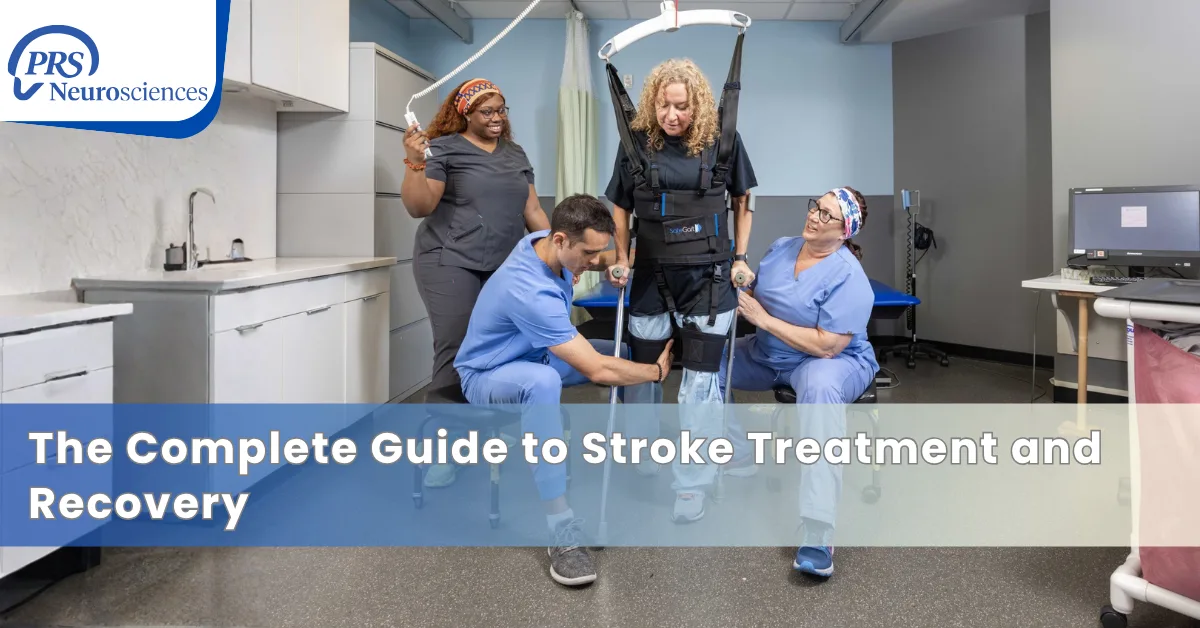
Every single minute matters when someone suffers a stroke. While the first minutes in the emergency department determine whether a patient receives life-saving treatment, the weeks and months that follow determine the quality of their recovery. Understanding stroke treatment and rehabilitation is essential knowledge for patients, families, and healthcare professionals who understand that recovery from stroke extends far beyond the acute hospital phase. The journey from the emergency room to independent living involves sophisticated medical interventions, intensive rehabilitation, and psychological support that together work to restore function and quality of life.
The Critical First Hours: Emergency Treatment for Ischemic Stroke
When a patient arrives at the hospital with signs of an acute ischemic stroke, time becomes the most critical variable in treatment decisions. The emergency team performs rapid imaging to confirm the diagnosis and determine whether the patient is a candidate for thrombolytic therapy. This decision rests on whether the patient has presented within the narrow treatment window established by decades of clinical research.
Intravenous thrombolysis using tissue plasminogen activator—known by its abbreviation tPA or the brand name alteplase is used for this treatment. This revolutionary treatment works by dissolving the blood clot that is blocking blood flow to the brain. When a patient receives tPA within three hours of symptom onset, studies show they are approximately thirty percent more likely to achieve minimal or no disability three months later compared to those receiving standard care alone. For every eight patients treated with tPA, two will achieve functional improvements that allow them to be discharged from the hospital without significant physical disability.
The medication is administered in a carefully calculated dose based on body weight—0.9 milligrams per kilogram, with a maximum dose of 90 milligrams. The infusion is given as a bolus over one minute, followed by the remaining medication over the next hour. However, the benefit of tPA depends heavily on how quickly it is administered. Treatment windows can extend to 4.5 hours for carefully selected patients, but the longer the delay between stroke onset and treatment, the less likely the patient will benefit. This is why emergency departments now track "door-to-needle" time as a critical quality metric, aiming to deliver treatment within one hour of arrival.
The primary risk of tPA treatment is intracranial hemorrhage—bleeding into or around the brain. Symptomatic intracranial hemorrhage occurs in about 6.4 percent of patients receiving tPA compared to only 0.6 percent of control patients. While this increased risk sounds alarming, the overall benefit of faster recovery and reduced disability outweighs this risk for most eligible patients. About half of these bleeds are fatal, which is why careful patient selection and strict adherence to inclusion and exclusion criteria is essential. Older patients with more severe strokes have higher risks of hemorrhage and require particularly careful evaluation.
Mechanical Thrombectomy: The Endovascular Revolution
For patients with strokes caused by large vessel occlusions—blockages in major brain arteries—an even more effective treatment has emerged in recent years. Mechanical thrombectomy, also called endovascular therapy, uses a specialized catheter to physically remove the blood clot from the blocked artery. This technique, pioneered over the past decade, involves inserting a catheter through an artery, usually in the groin, and advancing it to the site of the clot. There, the interventional radiologist uses a device called a stent retriever to grab and remove the clot, or uses aspiration to pull it out through the catheter.
Multiple landmark trials beginning in 2015 demonstrated that mechanical thrombectomy is superior to medical management alone for large vessel occlusion strokes. The number needed to treat—the number of patients who must receive the intervention for one to benefit—ranges from three to seven, which is comparable to percutaneous coronary intervention for heart attacks. When mechanical thrombectomy is combined with intravenous thrombolysis, forty-six percent of patients achieve good functional outcomes compared to only 26.5 percent receiving medical management alone.
The beauty of mechanical thrombectomy is that it can be performed much longer after symptom onset than intravenous thrombolysis. While it is most effective when performed within six to twelve hours, some patients can benefit from thrombectomy up to twenty-four hours after symptom onset. This extended window reflects improvements in how physicians identify which areas of the brain might still be salvageable even after many hours without blood flow. Modern imaging techniques can identify two distinct regions during a stroke: the "ischemic umbra" (or core), which is the central area where brain tissue has already died due to a severe lack of blood flow, and the surrounding "ischemic penumbra"—the region of brain tissue that has reduced blood flow but has not yet died.
Restoring blood flow to this penumbra, even after twelve to twenty-four hours, can prevent the death of additional brain cells.
Managing Hemorrhagic Stroke: A Different Challenge
When a blood vessel ruptures in the brain rather than becoming blocked, the resulting hemorrhagic stroke requires entirely different management strategies. Hemorrhagic strokes account for about ten to fifteen percent of all strokes but carry much higher mortality and disability rates than ischemic strokes. The bleeding creates pressure inside the skull, potentially pushing critical brain tissue and causing further damage. Additionally, blood products themselves are toxic to brain cells, causing inflammation and swelling.
Unlike ischemic stroke, where thrombolysis is beneficial, giving thrombolytic medications to patients with hemorrhagic stroke would be dangerous. Instead, the focus is on preventing the bleeding from expanding and managing the resulting pressure and inflammation. Acute management begins with aggressive blood pressure control to slow the bleeding. Physicians also reverse any blood-thinning medications the patient may be taking, give medications like tranexamic acid to promote clotting, and carefully monitor intracranial pressure.
Surgical intervention may be necessary in specific situations to drain accumulated blood and relieve pressure. While this is often done through a craniotomy (where a portion of the skull is removed and immediately replaced), sometimes a craniectomy is required.
In a craniectomy, the removed portion of the skull is not put back right away. Instead, the bone flap is left off to allow the brain room to swell. The bone is carefully preserved—either temporarily implanted in the patient's abdomen or stored in a specialized medical refrigerator. Once the brain swelling reduces and the intracranial pressure normalizes, a follow-up surgery is performed to reattach the bone flap.
In cases where blood extends into the cerebral ventricles, an external ventricular drain can be placed to remove the blood-filled cerebrospinal fluid and monitor intracranial pressure. Minimally invasive techniques are increasingly being used, such as stereotactic aspiration combined with clot-dissolving medications, which causes less brain trauma than open surgery.
Despite these interventions, no single treatment has definitively proven to improve long-term outcomes after hemorrhagic stroke in clinical trials. This does not mean these treatments are ineffective—it means the condition is particularly severe and challenging. However, acute stroke unit care, careful supportive management, and prevention of complications do improve survival and reduce disability compared to standard care.
Post-Acute Medications: Prevention of Recurrence
After surviving the acute stroke, the focus shifts to preventing another stroke. Recurrent stroke occurs in one out of four patients with prior stroke history, making secondary prevention absolutely critical. The mainstay of secondary prevention is antiplatelet therapy—medications that prevent blood platelets from sticking together and forming clots.
Aspirin remains the most commonly prescribed antiplatelet agent, reducing the risk of recurrent ischemic stroke by approximately twenty-two percent compared to placebo. For patients who cannot tolerate aspirin or who have strokes despite aspirin use, clopidogrel provides an alternative. Another option, dipyridamole combined with aspirin, provides superior stroke prevention compared to aspirin alone, though it may cause headaches and other side effects that limit its use.
For patients with high-risk transient ischemic attacks or minor ischemic strokes, dual antiplatelet therapy—combining aspirin and clopidogrel—is more effective than single-agent therapy when given for twenty-one to thirty days after the event. This short-term combination reduces the risk of recurrent stroke compared to aspirin alone. However, prolonging dual therapy beyond thirty days increases the risk of bleeding without providing additional stroke prevention benefit, so it is used only as a short-term strategy.
For patients whose stroke was caused by a heart condition, particularly atrial fibrillation, anticoagulation therapy becomes necessary. Anticoagulants like warfarin or newer direct-acting anticoagulants are significantly more effective than antiplatelet agents at preventing future strokes in patients with cardiac sources of emboli. These medications prevent clots from forming in the heart and traveling to the brain, addressing the root cause of the stroke.
Complications: The Hidden Threat to Recovery
The period immediately following a stroke carries substantial risk of medical complications that can derail recovery. Studies show that complications occur in forty-four to ninety-six percent of stroke patients, and these complications are independent predictors of poor outcomes and increased mortality.
Deep vein thrombosis—blood clots forming in the legs—affects two to seven percent of stroke patients. The immobility from stroke weakens the normal blood circulation in the legs, promoting clot formation. While the clot in the leg itself may not be immediately life-threatening, a piece can break free and travel to the lungs, causing a pulmonary embolism—a potentially fatal condition. Patients at risk receive preventive medications or compression devices to minimize this risk.
Pneumonia, particularly aspiration pneumonia, occurs in six to seven percent of hospitalized stroke patients. Stroke often impairs the ability to swallow, allowing food or fluid to enter the lungs rather than the stomach. Additionally, immobility increases the risk of respiratory infections. Careful attention to swallowing ability, positioning to prevent aspiration, and early mobilization all help reduce pneumonia risk.
Urinary tract infections are remarkably common, occurring in forty-four percent of stroke patients in inpatient rehabilitation settings. Bladder dysfunction is common after stroke, and catheterization, if needed, substantially increases infection risk. Brain edema—swelling of the brain—occurs in many patients and can increase intracranial pressure, potentially worsening outcomes. Seizures, occurring in one to three percent of patients, require anticonvulsant medication and careful monitoring.
Beyond infectious and neurological complications, stroke patients face other threats. Pressure sores develop from prolonged immobility. Cardiac complications, including heart attacks and heart failure, can occur. Gastrointestinal bleeding occurs in a small percentage of patients. Falls are common, particularly as patients regain mobility but may lack full balance and coordination. Electrolyte imbalances and dehydration further complicate recovery.
Beginning Rehabilitation: The Subacute Phase
Recovery begins not after discharge, but immediately after the patient's condition stabilizes—often within the first week of hospitalization, sometimes as early as ICU. Early mobilization, even gentle passive movement, helps prevent complications and maintains some level of physical function. Once the patient is medically stable enough, formal rehabilitation begins.
The period from one week to three to six months after stroke—called the subacute phase—represents the most critical window for rehabilitation. During this phase, the brain exhibits enhanced neuroplasticity, meaning it is primed to form new neural connections and reorganize function. Maximal spontaneous recovery occurs in the first weeks after stroke, but rehabilitation therapy during this sensitive period can amplify and extend this natural recovery process.
While the patient is in ICU, the rehabilitation team focuses on improving chest care, to help them wean off from ventilatory support or oxygen support for their breathing, and also do minimal body movements to prevent musculo-skeletal complications. Coma stimulation is also started here if the patient is in a coma
Physical therapy focuses on restoring strength, balance, coordination, and mobility. Therapists begin with simple movements and progress to walking, climbing stairs, and other functional activities. Proprioceptive training—exercises that enhance awareness of body position—helps restore balance. Occupational therapy targets the ability to perform daily living tasks—dressing, bathing, cooking, managing household activities. Constraint-induced movement therapy, where the unaffected limb is restricted to force use of the stroke-affected limb, shows impressive results in improving upper limb function.
Speech and language therapy addresses communication difficulties and swallowing problems. Many stroke patients struggle with finding words, slurred speech, or inability to understand language. Therapists work on these communication abilities through structured practice and teaching strategies to compensate for deficits.
Cognitive rehabilitation addresses memory, attention, problem-solving, and other higher brain functions affected by stroke. Psychological counseling helps patients cope with the emotional impact of stroke and address depression, which is extremely common in the post-stroke period.
The Chronic Phase: Long-Term Adaptation
Six months after stroke marks the beginning of the chronic phase, when the initial period of rapid recovery has typically plateaued. Traditional rehabilitation guidelines suggested that recovery essentially stops after three to six months, but emerging research challenges this assumption. Studies show that stroke survivors can continue to benefit from rehabilitation therapy even twelve to eighteen months after stroke, though the rate of improvement slows considerably.
During the chronic phase, rehabilitation transitions toward long-term adaptation and maintaining function. Advanced therapies become available. Virtual reality training, where patients practice movements in interactive three-dimensional environments, enhances motivation and engagement while providing task-specific practice. Robot-assisted therapy delivers consistent, high-intensity, repetitive movements that promote motor learning. Functional electrical stimulation applies electrical stimulation to paralyzed muscles to facilitate voluntary contraction. Mirror therapy uses visual illusion—reflecting the unaffected limb in a mirror to create the appearance that the stroke-affected limb is moving—to promote motor recovery.
Community-based rehabilitation programs allow patients to continue therapy in outpatient settings. Aerobic exercise and hydrotherapy take advantage of water's resistance and buoyancy to improve strength and mobility. Music therapy uses rhythm and music to enhance motor function and mood. Long-term psychological support remains important as patients adjust to permanent changes and navigate returning to work or other meaningful activities.
The Role of Neuroplasticity in Recovery
The scientific explanation for why rehabilitation works involves neuroplasticity—the brain's remarkable ability to rewire itself by forming new neural connections. When a stroke damages brain tissue, neighboring undamaged areas can assume some of the functions that were lost. Therapy during the sensitive period of enhanced neuroplasticity facilitates this reorganization.
The brain-derived neurotrophic factor, or BDNF, is a key molecular facilitator of neuroplasticity. Aerobic exercise increases BDNF levels, making it a powerful intervention for brain recovery. Physical training combined with pharmacological treatments amplifies neuroplasticity. The key principle is that neuroplasticity depends on practice—repeated, goal-oriented, task-specific practice of movements and skills needed for daily life.
The pattern of recovery after stroke follows a predictable trajectory: maximal recovery occurs in the first weeks after the event, then the rate of improvement declines over months and years. However, recovery is not linear. A plateau at three months does not mean recovery has ended, but rather that the most dramatic changes have occurred. With continued therapy, particularly intensive therapy, patients can continue to improve, though at a slower pace.
Psychological Recovery: Addressing Emotional and Cognitive Changes
Physical recovery captures much attention, but the psychological impact of stroke is equally important. Depression affects nearly fifty percent of stroke patients, and anxiety is significantly more common in stroke survivors than in the general population. These mood disorders do not simply reflect the emotional reaction to disability—they are biological consequences of brain injury and chemical changes following stroke.
Depression and anxiety actively impede rehabilitation. Patients who are depressed have less motivation to participate in therapy, weaker engagement with recovery activities, and less optimistic expectations about outcomes. Furthermore, mood disorders are associated with increased mortality rates after stroke. Self-perceived burden—how overwhelmed patients feel by their condition and recovery demands—is an independent predictor of cognitive impairment even three months after stroke.
Cognitive behavioral therapy has strong evidence for reducing both depression and anxiety in stroke patients. This approach helps patients identify and change negative thought patterns, practice mindful breathing and relaxation, and develop adaptive coping strategies. Supportive psychotherapy provides emotional validation and helps patients build resilience. Exercise itself has antidepressant and anti-anxiety effects. Music and art therapy enhance mood and motivation. For many patients, antidepressant medications, particularly selective serotonin reuptake inhibitors, are prescribed to address post-stroke depression.
Family involvement and social support substantially influence psychological outcomes. Depressed caregivers tend to perceive less recovery in patients, creating a negative cycle. Family education, support groups, and professional counseling for both patients and caregivers help maintain morale and realistic expectations.
The Recovery Timeline and What to Expect
For our patients, a typical hospital stay for a stroke lasts a couple of months, during which acute medical management and initial rehabilitation assessment occur. As the patient transitions to rehabilitation, they remain in the hospital itself, continuing physical, occupational, and speech therapy daily.
Most patients complete at least one intensive inpatient rehabilitation program, which essentially means they receive all their dedicated rehab care directly within the hospital setting rather than transferring to an outside facility. The intensity and duration of rehabilitation varies based on the severity of stroke and the patient's progress. Importantly, stroke survivors should plan for ongoing therapy and monitoring for years after the initial event, not just weeks or months.
The three-to-six-month period represents the window of greatest potential for recovery, but benefits continue beyond this. Early rehabilitation—beginning within twenty-four to seventy-two hours of stroke—provides superior outcomes compared to delayed rehabilitation, highlighting the importance of timely intervention.
Conclusion
Stroke treatment and recovery represent a continuum extending from the emergency department through months and years of rehabilitation. The acute phase, when thrombolytic therapy and mechanical thrombectomy can restore blood flow, determines immediate survival. The subsequent months of intensive rehabilitation, when neuroplasticity is enhanced, determine how much function is recovered. The years that follow involve long-term adaptation, preventing recurrent stroke through medication and lifestyle changes, managing complications, and helping patients achieve the best possible quality of life.
While no treatment can erase all effects of stroke, modern medicine offers substantially more hope than in the past. Patients who receive rapid, appropriate acute treatment and engage actively in rehabilitation achieve significantly better outcomes than those who delay seeking care. Understanding this journey from emergency care through rehabilitation empowers patients and families to make informed decisions, advocate for appropriate care, and maintain realistic expectations about recovery. The key to optimal recovery is recognizing that stroke is not a single event, but a process requiring immediate action, intensive rehabilitation, long-term follow-up, and unwavering commitment to restoring the best possible life after stroke.
Every single minute matters when someone suffers a stroke. While the first minutes in the emergency department determine whether a patient receives life-saving treatment, the weeks and months that follow determine the quality of their recovery. Understanding stroke treatment and rehabilitation is essential knowledge for patients, families, and healthcare professionals who understand that recovery from stroke extends far beyond the acute hospital phase. The journey from the emergency room to independent living involves sophisticated medical interventions, intensive rehabilitation, and psychological support that together work to restore function and quality of life.
The Critical First Hours: Emergency Treatment for Ischemic Stroke
When a patient arrives at the hospital with signs of an acute ischemic stroke, time becomes the most critical variable in treatment decisions. The emergency team performs rapid imaging to confirm the diagnosis and determine whether the patient is a candidate for thrombolytic therapy. This decision rests on whether the patient has presented within the narrow treatment window established by decades of clinical research.
Intravenous thrombolysis using tissue plasminogen activator—known by its abbreviation tPA or the brand name alteplase is used for this treatment. This revolutionary treatment works by dissolving the blood clot that is blocking blood flow to the brain. When a patient receives tPA within three hours of symptom onset, studies show they are approximately thirty percent more likely to achieve minimal or no disability three months later compared to those receiving standard care alone. For every eight patients treated with tPA, two will achieve functional improvements that allow them to be discharged from the hospital without significant physical disability.
The medication is administered in a carefully calculated dose based on body weight—0.9 milligrams per kilogram, with a maximum dose of 90 milligrams. The infusion is given as a bolus over one minute, followed by the remaining medication over the next hour. However, the benefit of tPA depends heavily on how quickly it is administered. Treatment windows can extend to 4.5 hours for carefully selected patients, but the longer the delay between stroke onset and treatment, the less likely the patient will benefit. This is why emergency departments now track "door-to-needle" time as a critical quality metric, aiming to deliver treatment within one hour of arrival.
The primary risk of tPA treatment is intracranial hemorrhage—bleeding into or around the brain. Symptomatic intracranial hemorrhage occurs in about 6.4 percent of patients receiving tPA compared to only 0.6 percent of control patients. While this increased risk sounds alarming, the overall benefit of faster recovery and reduced disability outweighs this risk for most eligible patients. About half of these bleeds are fatal, which is why careful patient selection and strict adherence to inclusion and exclusion criteria is essential. Older patients with more severe strokes have higher risks of hemorrhage and require particularly careful evaluation.
Mechanical Thrombectomy: The Endovascular Revolution
For patients with strokes caused by large vessel occlusions—blockages in major brain arteries—an even more effective treatment has emerged in recent years. Mechanical thrombectomy, also called endovascular therapy, uses a specialized catheter to physically remove the blood clot from the blocked artery. This technique, pioneered over the past decade, involves inserting a catheter through an artery, usually in the groin, and advancing it to the site of the clot. There, the interventional radiologist uses a device called a stent retriever to grab and remove the clot, or uses aspiration to pull it out through the catheter.
Multiple landmark trials beginning in 2015 demonstrated that mechanical thrombectomy is superior to medical management alone for large vessel occlusion strokes. The number needed to treat—the number of patients who must receive the intervention for one to benefit—ranges from three to seven, which is comparable to percutaneous coronary intervention for heart attacks. When mechanical thrombectomy is combined with intravenous thrombolysis, forty-six percent of patients achieve good functional outcomes compared to only 26.5 percent receiving medical management alone.
The beauty of mechanical thrombectomy is that it can be performed much longer after symptom onset than intravenous thrombolysis. While it is most effective when performed within six to twelve hours, some patients can benefit from thrombectomy up to twenty-four hours after symptom onset. This extended window reflects improvements in how physicians identify which areas of the brain might still be salvageable even after many hours without blood flow. Modern imaging techniques can identify two distinct regions during a stroke: the "ischemic umbra" (or core), which is the central area where brain tissue has already died due to a severe lack of blood flow, and the surrounding "ischemic penumbra"—the region of brain tissue that has reduced blood flow but has not yet died.
Restoring blood flow to this penumbra, even after twelve to twenty-four hours, can prevent the death of additional brain cells.
Managing Hemorrhagic Stroke: A Different Challenge
When a blood vessel ruptures in the brain rather than becoming blocked, the resulting hemorrhagic stroke requires entirely different management strategies. Hemorrhagic strokes account for about ten to fifteen percent of all strokes but carry much higher mortality and disability rates than ischemic strokes. The bleeding creates pressure inside the skull, potentially pushing critical brain tissue and causing further damage. Additionally, blood products themselves are toxic to brain cells, causing inflammation and swelling.
Unlike ischemic stroke, where thrombolysis is beneficial, giving thrombolytic medications to patients with hemorrhagic stroke would be dangerous. Instead, the focus is on preventing the bleeding from expanding and managing the resulting pressure and inflammation. Acute management begins with aggressive blood pressure control to slow the bleeding. Physicians also reverse any blood-thinning medications the patient may be taking, give medications like tranexamic acid to promote clotting, and carefully monitor intracranial pressure.
Surgical intervention may be necessary in specific situations to drain accumulated blood and relieve pressure. While this is often done through a craniotomy (where a portion of the skull is removed and immediately replaced), sometimes a craniectomy is required.
In a craniectomy, the removed portion of the skull is not put back right away. Instead, the bone flap is left off to allow the brain room to swell. The bone is carefully preserved—either temporarily implanted in the patient's abdomen or stored in a specialized medical refrigerator. Once the brain swelling reduces and the intracranial pressure normalizes, a follow-up surgery is performed to reattach the bone flap.
In cases where blood extends into the cerebral ventricles, an external ventricular drain can be placed to remove the blood-filled cerebrospinal fluid and monitor intracranial pressure. Minimally invasive techniques are increasingly being used, such as stereotactic aspiration combined with clot-dissolving medications, which causes less brain trauma than open surgery.
Despite these interventions, no single treatment has definitively proven to improve long-term outcomes after hemorrhagic stroke in clinical trials. This does not mean these treatments are ineffective—it means the condition is particularly severe and challenging. However, acute stroke unit care, careful supportive management, and prevention of complications do improve survival and reduce disability compared to standard care.
Post-Acute Medications: Prevention of Recurrence
After surviving the acute stroke, the focus shifts to preventing another stroke. Recurrent stroke occurs in one out of four patients with prior stroke history, making secondary prevention absolutely critical. The mainstay of secondary prevention is antiplatelet therapy—medications that prevent blood platelets from sticking together and forming clots.
Aspirin remains the most commonly prescribed antiplatelet agent, reducing the risk of recurrent ischemic stroke by approximately twenty-two percent compared to placebo. For patients who cannot tolerate aspirin or who have strokes despite aspirin use, clopidogrel provides an alternative. Another option, dipyridamole combined with aspirin, provides superior stroke prevention compared to aspirin alone, though it may cause headaches and other side effects that limit its use.
For patients with high-risk transient ischemic attacks or minor ischemic strokes, dual antiplatelet therapy—combining aspirin and clopidogrel—is more effective than single-agent therapy when given for twenty-one to thirty days after the event. This short-term combination reduces the risk of recurrent stroke compared to aspirin alone. However, prolonging dual therapy beyond thirty days increases the risk of bleeding without providing additional stroke prevention benefit, so it is used only as a short-term strategy.
For patients whose stroke was caused by a heart condition, particularly atrial fibrillation, anticoagulation therapy becomes necessary. Anticoagulants like warfarin or newer direct-acting anticoagulants are significantly more effective than antiplatelet agents at preventing future strokes in patients with cardiac sources of emboli. These medications prevent clots from forming in the heart and traveling to the brain, addressing the root cause of the stroke.
Complications: The Hidden Threat to Recovery
The period immediately following a stroke carries substantial risk of medical complications that can derail recovery. Studies show that complications occur in forty-four to ninety-six percent of stroke patients, and these complications are independent predictors of poor outcomes and increased mortality.
Deep vein thrombosis—blood clots forming in the legs—affects two to seven percent of stroke patients. The immobility from stroke weakens the normal blood circulation in the legs, promoting clot formation. While the clot in the leg itself may not be immediately life-threatening, a piece can break free and travel to the lungs, causing a pulmonary embolism—a potentially fatal condition. Patients at risk receive preventive medications or compression devices to minimize this risk.
Pneumonia, particularly aspiration pneumonia, occurs in six to seven percent of hospitalized stroke patients. Stroke often impairs the ability to swallow, allowing food or fluid to enter the lungs rather than the stomach. Additionally, immobility increases the risk of respiratory infections. Careful attention to swallowing ability, positioning to prevent aspiration, and early mobilization all help reduce pneumonia risk.
Urinary tract infections are remarkably common, occurring in forty-four percent of stroke patients in inpatient rehabilitation settings. Bladder dysfunction is common after stroke, and catheterization, if needed, substantially increases infection risk. Brain edema—swelling of the brain—occurs in many patients and can increase intracranial pressure, potentially worsening outcomes. Seizures, occurring in one to three percent of patients, require anticonvulsant medication and careful monitoring.
Beyond infectious and neurological complications, stroke patients face other threats. Pressure sores develop from prolonged immobility. Cardiac complications, including heart attacks and heart failure, can occur. Gastrointestinal bleeding occurs in a small percentage of patients. Falls are common, particularly as patients regain mobility but may lack full balance and coordination. Electrolyte imbalances and dehydration further complicate recovery.
Beginning Rehabilitation: The Subacute Phase
Recovery begins not after discharge, but immediately after the patient's condition stabilizes—often within the first week of hospitalization, sometimes as early as ICU. Early mobilization, even gentle passive movement, helps prevent complications and maintains some level of physical function. Once the patient is medically stable enough, formal rehabilitation begins.
The period from one week to three to six months after stroke—called the subacute phase—represents the most critical window for rehabilitation. During this phase, the brain exhibits enhanced neuroplasticity, meaning it is primed to form new neural connections and reorganize function. Maximal spontaneous recovery occurs in the first weeks after stroke, but rehabilitation therapy during this sensitive period can amplify and extend this natural recovery process.
While the patient is in ICU, the rehabilitation team focuses on improving chest care, to help them wean off from ventilatory support or oxygen support for their breathing, and also do minimal body movements to prevent musculo-skeletal complications. Coma stimulation is also started here if the patient is in a coma
Physical therapy focuses on restoring strength, balance, coordination, and mobility. Therapists begin with simple movements and progress to walking, climbing stairs, and other functional activities. Proprioceptive training—exercises that enhance awareness of body position—helps restore balance. Occupational therapy targets the ability to perform daily living tasks—dressing, bathing, cooking, managing household activities. Constraint-induced movement therapy, where the unaffected limb is restricted to force use of the stroke-affected limb, shows impressive results in improving upper limb function.
Speech and language therapy addresses communication difficulties and swallowing problems. Many stroke patients struggle with finding words, slurred speech, or inability to understand language. Therapists work on these communication abilities through structured practice and teaching strategies to compensate for deficits.
Cognitive rehabilitation addresses memory, attention, problem-solving, and other higher brain functions affected by stroke. Psychological counseling helps patients cope with the emotional impact of stroke and address depression, which is extremely common in the post-stroke period.
The Chronic Phase: Long-Term Adaptation
Six months after stroke marks the beginning of the chronic phase, when the initial period of rapid recovery has typically plateaued. Traditional rehabilitation guidelines suggested that recovery essentially stops after three to six months, but emerging research challenges this assumption. Studies show that stroke survivors can continue to benefit from rehabilitation therapy even twelve to eighteen months after stroke, though the rate of improvement slows considerably.
During the chronic phase, rehabilitation transitions toward long-term adaptation and maintaining function. Advanced therapies become available. Virtual reality training, where patients practice movements in interactive three-dimensional environments, enhances motivation and engagement while providing task-specific practice. Robot-assisted therapy delivers consistent, high-intensity, repetitive movements that promote motor learning. Functional electrical stimulation applies electrical stimulation to paralyzed muscles to facilitate voluntary contraction. Mirror therapy uses visual illusion—reflecting the unaffected limb in a mirror to create the appearance that the stroke-affected limb is moving—to promote motor recovery.
Community-based rehabilitation programs allow patients to continue therapy in outpatient settings. Aerobic exercise and hydrotherapy take advantage of water's resistance and buoyancy to improve strength and mobility. Music therapy uses rhythm and music to enhance motor function and mood. Long-term psychological support remains important as patients adjust to permanent changes and navigate returning to work or other meaningful activities.
The Role of Neuroplasticity in Recovery
The scientific explanation for why rehabilitation works involves neuroplasticity—the brain's remarkable ability to rewire itself by forming new neural connections. When a stroke damages brain tissue, neighboring undamaged areas can assume some of the functions that were lost. Therapy during the sensitive period of enhanced neuroplasticity facilitates this reorganization.
The brain-derived neurotrophic factor, or BDNF, is a key molecular facilitator of neuroplasticity. Aerobic exercise increases BDNF levels, making it a powerful intervention for brain recovery. Physical training combined with pharmacological treatments amplifies neuroplasticity. The key principle is that neuroplasticity depends on practice—repeated, goal-oriented, task-specific practice of movements and skills needed for daily life.
The pattern of recovery after stroke follows a predictable trajectory: maximal recovery occurs in the first weeks after the event, then the rate of improvement declines over months and years. However, recovery is not linear. A plateau at three months does not mean recovery has ended, but rather that the most dramatic changes have occurred. With continued therapy, particularly intensive therapy, patients can continue to improve, though at a slower pace.
Psychological Recovery: Addressing Emotional and Cognitive Changes
Physical recovery captures much attention, but the psychological impact of stroke is equally important. Depression affects nearly fifty percent of stroke patients, and anxiety is significantly more common in stroke survivors than in the general population. These mood disorders do not simply reflect the emotional reaction to disability—they are biological consequences of brain injury and chemical changes following stroke.
Depression and anxiety actively impede rehabilitation. Patients who are depressed have less motivation to participate in therapy, weaker engagement with recovery activities, and less optimistic expectations about outcomes. Furthermore, mood disorders are associated with increased mortality rates after stroke. Self-perceived burden—how overwhelmed patients feel by their condition and recovery demands—is an independent predictor of cognitive impairment even three months after stroke.
Cognitive behavioral therapy has strong evidence for reducing both depression and anxiety in stroke patients. This approach helps patients identify and change negative thought patterns, practice mindful breathing and relaxation, and develop adaptive coping strategies. Supportive psychotherapy provides emotional validation and helps patients build resilience. Exercise itself has antidepressant and anti-anxiety effects. Music and art therapy enhance mood and motivation. For many patients, antidepressant medications, particularly selective serotonin reuptake inhibitors, are prescribed to address post-stroke depression.
Family involvement and social support substantially influence psychological outcomes. Depressed caregivers tend to perceive less recovery in patients, creating a negative cycle. Family education, support groups, and professional counseling for both patients and caregivers help maintain morale and realistic expectations.
The Recovery Timeline and What to Expect
For our patients, a typical hospital stay for a stroke lasts a couple of months, during which acute medical management and initial rehabilitation assessment occur. As the patient transitions to rehabilitation, they remain in the hospital itself, continuing physical, occupational, and speech therapy daily.
Most patients complete at least one intensive inpatient rehabilitation program, which essentially means they receive all their dedicated rehab care directly within the hospital setting rather than transferring to an outside facility. The intensity and duration of rehabilitation varies based on the severity of stroke and the patient's progress. Importantly, stroke survivors should plan for ongoing therapy and monitoring for years after the initial event, not just weeks or months.
The three-to-six-month period represents the window of greatest potential for recovery, but benefits continue beyond this. Early rehabilitation—beginning within twenty-four to seventy-two hours of stroke—provides superior outcomes compared to delayed rehabilitation, highlighting the importance of timely intervention.
Conclusion
Stroke treatment and recovery represent a continuum extending from the emergency department through months and years of rehabilitation. The acute phase, when thrombolytic therapy and mechanical thrombectomy can restore blood flow, determines immediate survival. The subsequent months of intensive rehabilitation, when neuroplasticity is enhanced, determine how much function is recovered. The years that follow involve long-term adaptation, preventing recurrent stroke through medication and lifestyle changes, managing complications, and helping patients achieve the best possible quality of life.
While no treatment can erase all effects of stroke, modern medicine offers substantially more hope than in the past. Patients who receive rapid, appropriate acute treatment and engage actively in rehabilitation achieve significantly better outcomes than those who delay seeking care. Understanding this journey from emergency care through rehabilitation empowers patients and families to make informed decisions, advocate for appropriate care, and maintain realistic expectations about recovery. The key to optimal recovery is recognizing that stroke is not a single event, but a process requiring immediate action, intensive rehabilitation, long-term follow-up, and unwavering commitment to restoring the best possible life after stroke.
Subscribe to our newsletter
© Copyright 2026 . All Rights Reserved

© Copyright 2026 . All Rights Reserved