
The Journey of Coma Stimulation: A Story of Hope and Recovery
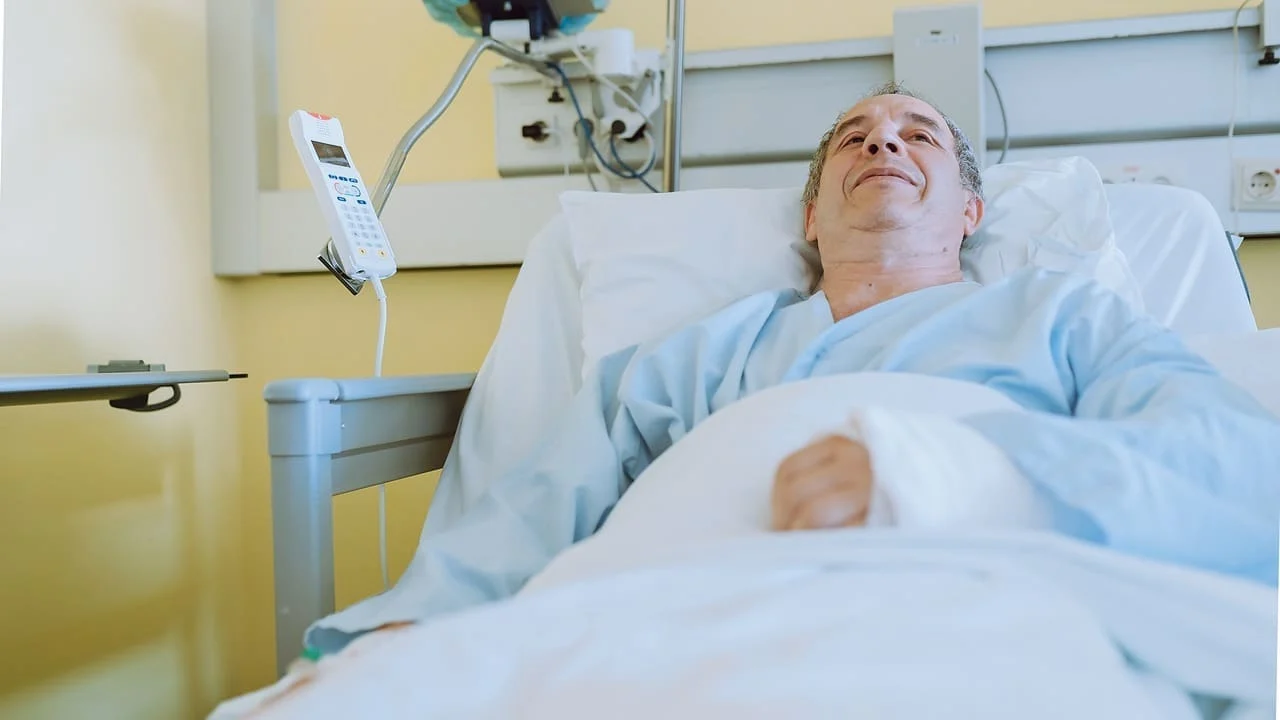
Coma stimulation, also known as Sensory Stimulation Therapy, is a rehabilitation technique used to help patients with severe brain injuries regain consciousness. It involves systematically exposing the patient to various sensory stimuli—sights, sounds, smells, touch, and tastes—to stimulate neural pathways and encourage the brain to "wake up."
Waking Up the Unconscious Brain (WUUB)
When a loved one falls into a coma or a vegetative state following a traumatic brain injury (TBI) or stroke, families often feel helpless. However, the brain is resilient. Coma stimulation is based on the concept of neuroplasticity and the idea that an enriched environment can promote brain recovery better than isolation.
The Science Behind the Stimulation
The Reticular Activating System (RAS) in the brainstem is responsible for arousal and consciousness. In a coma, this system is often suppressed. Sensory stimulation aims to bombard the RAS with input, theoretically increasing the frequency and duration of arousal.
The Five Senses Approach
A structured coma stimulation program targets all five senses. It is usually performed for short periods (15-30 minutes) several times a day to avoid overstimulating the patient.
1. Auditory (Hearing)
Voices: Playing recordings of family members talking or reading favourite stories.
Music: Playing the patient's favourite music.
Nature Sounds: Sounds of rain, birds, or ocean waves.
Note: Avoid constant TV noise; structured, meaningful sound is better.
2. Visual (Sight)
Photos: Showing pictures of family and friends.
Lights: Using a flashlight to track eye movement or soft coloured lights.
Familiar Objects: Holding up personal items like a favourite mug or book.
3. Tactile (Touch)
Textures: Rubbing different fabrics (velvet, silk, wool) on the arm.
Temperature: Using warm or cool washcloths (carefully monitored).
Hand-holding: Firm but gentle touch is reassuring.
4. Olfactory (Smell)
Scents: Introducing strong but pleasant smells like coffee, perfume, peppermint, or vanilla. The sense of smell is directly linked to the emotional center of the brain.
5. Gustatory (Taste)
Caution: This is only done under strict medical supervision to prevent aspiration.
Swabs: Using a cotton swab dipped in lemon juice, honey, sugar water, or salt water to touch the lips or tongue.
The Journey: What to Expect
Recovery from a coma is rarely like the movies where someone wakes up and starts talking immediately. It is a "staircase" of recovery.
No Response: Deep coma.
Generalized Response: Reflex response to pain.
Localized Response: The patient turns toward a sound or respond to physical discomfort which is inconsistent.
Confused/Agitated: As they wake up, they may be confused and restless.
Confused/Non agitated: Gross attention to environment, highly distractable, inappropriate verbalisation.
Confused /Appropriated: Inconsistent orientation to time and place, consistently follows simple directions.
Automatic/ Appropriated: Behaves appropriately in familiar settings.
Purposeful: They begin to act normal, consistently oriented to time, place and person. Independently performs familiar tasks.
Key Takeaways
Consistency is vital: Stimulation should be a daily routine.
Watch for small signs: A finger twitch, a tear, or a change in heart rate can be a sign of awareness.
Don't overstimulate: Rest is just as important as stimulation for a healing brain.
Involve the family: The patient is more likely to respond to familiar voices and touches.
Patience is the hardest part: Progress is measured in months, not days.
FAQ
Q: Can coma stimulation hurt the patient?
A: Generally, no, but overstimulation can cause agitation or increased heart rate. It's important to monitor the patient's vital signs and stop if they show signs of distress.
Q: How long should we do this?
A: It is often continued until the patient emerges from the coma or if there is potential for improvement, as advised by the medical team.
Q: Does it guarantee recovery?
A: There are no guarantees in brain injury recovery, but studies suggest that sensory stimulation can improve arousal levels and shorten the duration of a coma in some patients.
Coma stimulation, also known as Sensory Stimulation Therapy, is a rehabilitation technique used to help patients with severe brain injuries regain consciousness. It involves systematically exposing the patient to various sensory stimuli—sights, sounds, smells, touch, and tastes—to stimulate neural pathways and encourage the brain to "wake up."
Waking Up the Unconscious Brain (WUUB)
When a loved one falls into a coma or a vegetative state following a traumatic brain injury (TBI) or stroke, families often feel helpless. However, the brain is resilient. Coma stimulation is based on the concept of neuroplasticity and the idea that an enriched environment can promote brain recovery better than isolation.
The Science Behind the Stimulation
The Reticular Activating System (RAS) in the brainstem is responsible for arousal and consciousness. In a coma, this system is often suppressed. Sensory stimulation aims to bombard the RAS with input, theoretically increasing the frequency and duration of arousal.
The Five Senses Approach
A structured coma stimulation program targets all five senses. It is usually performed for short periods (15-30 minutes) several times a day to avoid overstimulating the patient.
1. Auditory (Hearing)
Voices: Playing recordings of family members talking or reading favourite stories.
Music: Playing the patient's favourite music.
Nature Sounds: Sounds of rain, birds, or ocean waves.
Note: Avoid constant TV noise; structured, meaningful sound is better.
2. Visual (Sight)
Photos: Showing pictures of family and friends.
Lights: Using a flashlight to track eye movement or soft coloured lights.
Familiar Objects: Holding up personal items like a favourite mug or book.
3. Tactile (Touch)
Textures: Rubbing different fabrics (velvet, silk, wool) on the arm.
Temperature: Using warm or cool washcloths (carefully monitored).
Hand-holding: Firm but gentle touch is reassuring.
4. Olfactory (Smell)
Scents: Introducing strong but pleasant smells like coffee, perfume, peppermint, or vanilla. The sense of smell is directly linked to the emotional center of the brain.
5. Gustatory (Taste)
Caution: This is only done under strict medical supervision to prevent aspiration.
Swabs: Using a cotton swab dipped in lemon juice, honey, sugar water, or salt water to touch the lips or tongue.
The Journey: What to Expect
Recovery from a coma is rarely like the movies where someone wakes up and starts talking immediately. It is a "staircase" of recovery.
No Response: Deep coma.
Generalized Response: Reflex response to pain.
Localized Response: The patient turns toward a sound or respond to physical discomfort which is inconsistent.
Confused/Agitated: As they wake up, they may be confused and restless.
Confused/Non agitated: Gross attention to environment, highly distractable, inappropriate verbalisation.
Confused /Appropriated: Inconsistent orientation to time and place, consistently follows simple directions.
Automatic/ Appropriated: Behaves appropriately in familiar settings.
Purposeful: They begin to act normal, consistently oriented to time, place and person. Independently performs familiar tasks.
Key Takeaways
Consistency is vital: Stimulation should be a daily routine.
Watch for small signs: A finger twitch, a tear, or a change in heart rate can be a sign of awareness.
Don't overstimulate: Rest is just as important as stimulation for a healing brain.
Involve the family: The patient is more likely to respond to familiar voices and touches.
Patience is the hardest part: Progress is measured in months, not days.
FAQ
Q: Can coma stimulation hurt the patient?
A: Generally, no, but overstimulation can cause agitation or increased heart rate. It's important to monitor the patient's vital signs and stop if they show signs of distress.
Q: How long should we do this?
A: It is often continued until the patient emerges from the coma or if there is potential for improvement, as advised by the medical team.
Q: Does it guarantee recovery?
A: There are no guarantees in brain injury recovery, but studies suggest that sensory stimulation can improve arousal levels and shorten the duration of a coma in some patients.
Subscribe to our newsletter
© Copyright 2026 . All Rights Reserved

© Copyright 2026 . All Rights Reserved