
Relationship Between High Blood Pressure and Stroke Risk
Every year, millions of people worldwide experience the sudden, devastating effects of a stroke—a medical emergency that can result in permanent disability, life-altering complications, or even death. What many don't realize is that the warning signs may have been present for years, often silently manifesting through a single, controllable risk factor: high blood pressure. Understanding the critical relationship between hypertension and stroke risk is not merely academic; it could quite literally save your life or the life of someone you care about.
High blood pressure, medically known as hypertension, stands as the leading risk factor for stroke across virtually all populations worldwide. Roughly one in three Indian adults currently lives with hypertension, yet nearly half of them remain completely unaware they have the condition. Many do not realize that this 'silent killer' is the single biggest risk factor for cerebrovascular events, directly accounting for a staggering 57% of all stroke deaths in India.
The sobering reality is that more than half of all stroke deaths globally can be attributed to elevated systolic blood pressure alone. This article explores the intricate relationship between these two conditions, examining the biological mechanisms at play, the different ways high blood pressure can trigger a stroke, and most importantly, the practical steps you can take to protect yourself and your loved ones.
Understanding High Blood Pressure: The Silent Killer
Hypertension develops when the force of blood pushing against artery walls remains consistently too high. Blood pressure is measured in two numbers: systolic pressure (the top number, indicating pressure when your heart beats) and diastolic pressure (the bottom number, indicating pressure when your heart rests). A healthy blood pressure reading sits below 120/80 mm Hg. When your readings consistently exceed 130/80 mm Hg, you meet the criteria for stage 1 hypertension, and readings of 140/90 mm Hg or higher indicate stage 2 hypertension.
What makes hypertension particularly dangerous is its silent nature. Many people develop the condition without experiencing any noticeable symptoms, which is why healthcare providers often call it the "silent killer." Someone could walk around for years with dangerously elevated blood pressure, unaware that their cardiovascular system is under tremendous strain. This delayed awareness becomes critical when we understand that the longer someone lives with untreated hypertension, the greater their stroke risk becomes.
How High Blood Pressure Increases Stroke Risk: The Biological Connection
The relationship between hypertension and stroke involves multiple interconnected biological mechanisms that essentially create the perfect environment for a stroke to occur. Understanding these mechanisms helps explain why blood pressure control is so central to stroke prevention.
When blood pressure remains elevated over extended periods, the constant stress on blood vessel walls triggers a cascade of harmful changes throughout the cardiovascular system, particularly in the brain's delicate blood vessels. The inner lining of arteries, called the endothelium, becomes damaged by this sustained pressure. In response to this damage, smooth muscle cells in the vessel walls thicken and multiply, a process called vascular remodeling. Over time, this thickening narrows the blood vessel's opening, restricting blood flow—a condition known as stenosis.
Simultaneously, elevated blood pressure accelerates atherosclerotic plaque development in cerebral arteries and arterioles. Plaque consists of cholesterol, fat, calcium, and other substances that accumulate on artery walls. As plaque builds up, it creates an increasingly narrow pathway for blood to flow through. Some plaques become unstable and rupture, triggering the formation of blood clots that can lodge in these narrowed vessels and completely block blood flow to the brain.
Beyond these structural changes, hypertension triggers inflammatory responses and oxidative stress throughout the vascular system. These processes further damage blood vessels and make them more prone to rupture. The constant high pressure also impairs the brain's natural ability to regulate its own blood flow through a process called cerebrovascular autoregulation. Normally, the brain maintains consistent blood flow despite fluctuations in systemic blood pressure. However, hypertension shifts this regulatory system toward higher pressure ranges, making the brain increasingly dependent on elevated blood pressure to maintain adequate blood flow. This dependency becomes dangerous if blood pressure drops suddenly or if medications lower it too aggressively.
Additionally, chronic hypertension causes arterial stiffening by reducing elastin and increasing collagen in blood vessel walls. This stiffness increases pulse wave velocity—essentially how fast the pressure wave travels through arteries—and increases pulse pressure, both of which are strong predictors of stroke risk. The autonomic nervous system dysfunction accompanying hypertension further compounds these risks through baroreflex impairment, which increases inflammatory markers and reduces the brain's protection against ischemic injury.
The Duration Paradox: Why Time Matters
One of the most striking discoveries from recent research involves the cumulative effect of living with hypertension over time. A landmark study revealed that stroke risk increases dramatically based on how long someone has had high blood pressure. Individuals with hypertension lasting five years or less face a 31% increased stroke risk compared to those with normal blood pressure. This risk escalates to 50% for those with six to twenty years of hypertension, and reaches 67% for those living with the condition for over twenty years.
This duration effect highlights a critical insight: delaying the onset of hypertension can significantly lower overall stroke risk. Every year without hypertension is a year without the progressive vascular damage that makes strokes more likely. This emphasizes why early detection and prevention become so valuable, particularly for younger adults.
Additionally, the cumulative effect of higher average systolic blood pressure throughout adulthood plays a crucial role. Research demonstrates that having a mean systolic blood pressure that is just 10 mm Hg higher than average is associated with a 20% higher risk of overall stroke and ischemic stroke, and a 31% greater risk of intracerebral hemorrhage (bleeding inside the brain). These statistics underscore that it's not just about peak blood pressure readings in your doctor's office; it's about the overall pressure burden your blood vessels experience day in and day out.
Two Pathways to Stroke: Ischemic vs. Hemorrhagic
High blood pressure can trigger strokes through two distinct mechanisms, each accounting for different proportions of stroke cases and each presenting its own set of dangers.
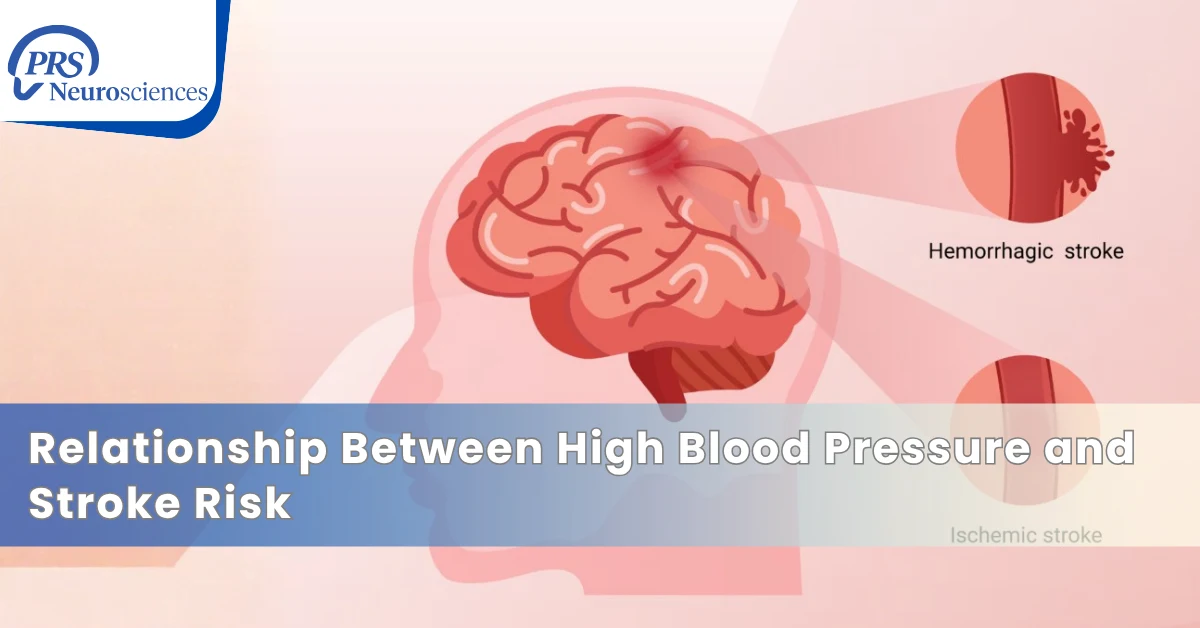
Ischemic Strokes, which comprise approximately 87% of all strokes, occur when a blood vessel carrying blood to the brain becomes blocked, typically by a blood clot. Hypertension contributes to ischemic stroke through two primary pathways. First, chronic hypertension promotes atherosclerotic plaque buildup in large cerebral arteries. When this plaque ruptures, it can trigger clot formation that occludes the vessel entirely. Second, hypertension can lead to atrial fibrillation (irregular heartbeat), which causes blood to pool in the heart chamber and form clots. These clots can dislodge and travel to the brain, causing an embolic stroke.
Hemorrhagic Strokes occur when a weakened blood vessel ruptures, allowing blood to spill into the brain tissue. Though less common, hemorrhagic strokes are often more severe and more likely to be fatal. Uncontrolled hypertension is the leading cause of hemorrhagic stroke. The constant high pressure placed on blood vessel walls over years weakens them, making rupture increasingly likely. Additionally, hypertension can cause lipohyalinosis—a process where the walls of small penetrating arteries degenerate—making these vessels susceptible to rupture and causing microhemorrhages that accumulate over time.
Racial and Ethnic Disparities in Hypertension-Related Stroke
An often-overlooked aspect of the hypertension-stroke relationship involves significant disparities across racial and ethnic groups. Black patients experience a 20% higher risk of ischemic stroke and a striking 67% higher risk of intracerebral hemorrhage compared to white patients. Hispanic patients face a 281% higher risk of subarachnoid hemorrhage (bleeding on the brain's surface). These disparities reflect complex interactions between genetic predisposition, socioeconomic factors, access to healthcare, and medication adherence.
Early diagnosis and sustained blood pressure control become especially critical for these populations, who often experience higher rates of uncontrolled hypertension. Healthcare providers and patients alike must recognize these disparities and work together to ensure equitable access to blood pressure monitoring and treatment.
Preventing Stroke Through Blood Pressure Management
The encouraging news is that hypertension is one of the most controllable risk factors for stroke. Recent 2025 guidelines from the American College of Cardiology and American Heart Association recommend a blood pressure target below 130/80 mm Hg for most adults, with some evidence suggesting even lower targets may be beneficial. These recommendations are supported by robust clinical evidence demonstrating that achieving and maintaining target blood pressure significantly reduces stroke risk.
Blood pressure management involves both lifestyle modifications and, when necessary, pharmacological treatment. Lifestyle changes form the cornerstone of hypertension management and can be remarkably effective. Regular physical activity—aiming for 150 minutes of moderate-intensity exercise or 75 minutes of vigorous-intensity exercise weekly—can substantially reduce blood pressure. Adopting dietary patterns like the Mediterranean or DASH diet, which emphasize fruits, vegetables, whole grains, lean proteins, and limited sodium, has proven highly effective. Managing stress, maintaining a healthy weight, ensuring quality sleep, quitting smoking, and limiting alcohol consumption all contribute meaningfully to blood pressure control.
For some individuals, lifestyle modifications alone prove insufficient, and antihypertensive medications become necessary. Common first-line medications include ACE inhibitors, ARBs, calcium channel blockers, and diuretics. Working closely with a healthcare provider to find the right medication or combination of medications is essential, as is monitoring blood pressure regularly—ideally through home monitoring to get a comprehensive picture of your average blood pressure rather than relying solely on office readings.
Recognizing Stroke Warning Signs
Despite the focus on prevention, everyone should recognize stroke warning signs, as immediate medical attention can minimize brain damage and disability. The acronym BEFAST helps identify stroke symptoms:
Balance: Sudden loss of balance, coordination, or severe dizziness.
Eyes: Sudden blurred vision, double vision, or loss of sight in one or both eyes.
Face: Drooping on one side of the face or an uneven smile.
Arms: Weakness or numbness in one arm (it may drift downward when raised).
Speech: Slurred, confused, or difficult speech.
Time: Call emergency services (like 108 or 112) immediately.
Additional warning signs include sudden confusion, vision problems, difficulty walking, dizziness, or severe headache. When stroke symptoms appear, every minute matters—emergency treatment initiated within 4.5 hours can be dramatically effective at limiting brain damage.
Long-Term Outlook: Living Well with Hypertension
The trajectory of someone living with untreated or inadequately controlled hypertension points toward increasing disability and premature mortality. However, those who achieve and maintain adequate blood pressure control experience dramatically different outcomes. Research demonstrates that controlling blood pressure to target levels can reduce cardiovascular mortality by 85-92% over a ten-year period when combined with other healthy lifestyle behaviors.
Regular blood pressure monitoring becomes a cornerstone of long-term health management. Home blood pressure monitors are increasingly affordable and accessible, allowing individuals to track their readings regularly and make informed decisions about their health. This data becomes valuable during healthcare visits and helps identify patterns that office-only readings might miss.
Conclusion: Your Path Forward
The relationship between high blood pressure and stroke risk represents one of medicine's most clear-cut cause-and-effect associations—but it also represents one of our greatest opportunities for prevention. High blood pressure is a powerful predictor of stroke, but it is neither inevitable nor irreversible. Through awareness, regular monitoring, lifestyle modification, and when necessary, appropriate medical treatment, you can significantly reduce your stroke risk.
If you haven't had your blood pressure checked recently, today is the day to do so. If you've been diagnosed with hypertension, consistent blood pressure control should become a cornerstone of your daily life. And if stroke or hypertension runs in your family, these statistics become even more relevant—using them to motivate preventive action now could protect your future self. The relationship between high blood pressure and stroke risk is deeply established by medical science, but the relationship between your actions today and your healthy future remains entirely in your hands.
Every year, millions of people worldwide experience the sudden, devastating effects of a stroke—a medical emergency that can result in permanent disability, life-altering complications, or even death. What many don't realize is that the warning signs may have been present for years, often silently manifesting through a single, controllable risk factor: high blood pressure. Understanding the critical relationship between hypertension and stroke risk is not merely academic; it could quite literally save your life or the life of someone you care about.
High blood pressure, medically known as hypertension, stands as the leading risk factor for stroke across virtually all populations worldwide. Roughly one in three Indian adults currently lives with hypertension, yet nearly half of them remain completely unaware they have the condition. Many do not realize that this 'silent killer' is the single biggest risk factor for cerebrovascular events, directly accounting for a staggering 57% of all stroke deaths in India.
The sobering reality is that more than half of all stroke deaths globally can be attributed to elevated systolic blood pressure alone. This article explores the intricate relationship between these two conditions, examining the biological mechanisms at play, the different ways high blood pressure can trigger a stroke, and most importantly, the practical steps you can take to protect yourself and your loved ones.
Understanding High Blood Pressure: The Silent Killer
Hypertension develops when the force of blood pushing against artery walls remains consistently too high. Blood pressure is measured in two numbers: systolic pressure (the top number, indicating pressure when your heart beats) and diastolic pressure (the bottom number, indicating pressure when your heart rests). A healthy blood pressure reading sits below 120/80 mm Hg. When your readings consistently exceed 130/80 mm Hg, you meet the criteria for stage 1 hypertension, and readings of 140/90 mm Hg or higher indicate stage 2 hypertension.
What makes hypertension particularly dangerous is its silent nature. Many people develop the condition without experiencing any noticeable symptoms, which is why healthcare providers often call it the "silent killer." Someone could walk around for years with dangerously elevated blood pressure, unaware that their cardiovascular system is under tremendous strain. This delayed awareness becomes critical when we understand that the longer someone lives with untreated hypertension, the greater their stroke risk becomes.
How High Blood Pressure Increases Stroke Risk: The Biological Connection
The relationship between hypertension and stroke involves multiple interconnected biological mechanisms that essentially create the perfect environment for a stroke to occur. Understanding these mechanisms helps explain why blood pressure control is so central to stroke prevention.
When blood pressure remains elevated over extended periods, the constant stress on blood vessel walls triggers a cascade of harmful changes throughout the cardiovascular system, particularly in the brain's delicate blood vessels. The inner lining of arteries, called the endothelium, becomes damaged by this sustained pressure. In response to this damage, smooth muscle cells in the vessel walls thicken and multiply, a process called vascular remodeling. Over time, this thickening narrows the blood vessel's opening, restricting blood flow—a condition known as stenosis.
Simultaneously, elevated blood pressure accelerates atherosclerotic plaque development in cerebral arteries and arterioles. Plaque consists of cholesterol, fat, calcium, and other substances that accumulate on artery walls. As plaque builds up, it creates an increasingly narrow pathway for blood to flow through. Some plaques become unstable and rupture, triggering the formation of blood clots that can lodge in these narrowed vessels and completely block blood flow to the brain.
Beyond these structural changes, hypertension triggers inflammatory responses and oxidative stress throughout the vascular system. These processes further damage blood vessels and make them more prone to rupture. The constant high pressure also impairs the brain's natural ability to regulate its own blood flow through a process called cerebrovascular autoregulation. Normally, the brain maintains consistent blood flow despite fluctuations in systemic blood pressure. However, hypertension shifts this regulatory system toward higher pressure ranges, making the brain increasingly dependent on elevated blood pressure to maintain adequate blood flow. This dependency becomes dangerous if blood pressure drops suddenly or if medications lower it too aggressively.
Additionally, chronic hypertension causes arterial stiffening by reducing elastin and increasing collagen in blood vessel walls. This stiffness increases pulse wave velocity—essentially how fast the pressure wave travels through arteries—and increases pulse pressure, both of which are strong predictors of stroke risk. The autonomic nervous system dysfunction accompanying hypertension further compounds these risks through baroreflex impairment, which increases inflammatory markers and reduces the brain's protection against ischemic injury.
The Duration Paradox: Why Time Matters
One of the most striking discoveries from recent research involves the cumulative effect of living with hypertension over time. A landmark study revealed that stroke risk increases dramatically based on how long someone has had high blood pressure. Individuals with hypertension lasting five years or less face a 31% increased stroke risk compared to those with normal blood pressure. This risk escalates to 50% for those with six to twenty years of hypertension, and reaches 67% for those living with the condition for over twenty years.
This duration effect highlights a critical insight: delaying the onset of hypertension can significantly lower overall stroke risk. Every year without hypertension is a year without the progressive vascular damage that makes strokes more likely. This emphasizes why early detection and prevention become so valuable, particularly for younger adults.
Additionally, the cumulative effect of higher average systolic blood pressure throughout adulthood plays a crucial role. Research demonstrates that having a mean systolic blood pressure that is just 10 mm Hg higher than average is associated with a 20% higher risk of overall stroke and ischemic stroke, and a 31% greater risk of intracerebral hemorrhage (bleeding inside the brain). These statistics underscore that it's not just about peak blood pressure readings in your doctor's office; it's about the overall pressure burden your blood vessels experience day in and day out.
Two Pathways to Stroke: Ischemic vs. Hemorrhagic
High blood pressure can trigger strokes through two distinct mechanisms, each accounting for different proportions of stroke cases and each presenting its own set of dangers.
Ischemic Strokes, which comprise approximately 87% of all strokes, occur when a blood vessel carrying blood to the brain becomes blocked, typically by a blood clot. Hypertension contributes to ischemic stroke through two primary pathways. First, chronic hypertension promotes atherosclerotic plaque buildup in large cerebral arteries. When this plaque ruptures, it can trigger clot formation that occludes the vessel entirely. Second, hypertension can lead to atrial fibrillation (irregular heartbeat), which causes blood to pool in the heart chamber and form clots. These clots can dislodge and travel to the brain, causing an embolic stroke.
Hemorrhagic Strokes occur when a weakened blood vessel ruptures, allowing blood to spill into the brain tissue. Though less common, hemorrhagic strokes are often more severe and more likely to be fatal. Uncontrolled hypertension is the leading cause of hemorrhagic stroke. The constant high pressure placed on blood vessel walls over years weakens them, making rupture increasingly likely. Additionally, hypertension can cause lipohyalinosis—a process where the walls of small penetrating arteries degenerate—making these vessels susceptible to rupture and causing microhemorrhages that accumulate over time.
Racial and Ethnic Disparities in Hypertension-Related Stroke
An often-overlooked aspect of the hypertension-stroke relationship involves significant disparities across racial and ethnic groups. Black patients experience a 20% higher risk of ischemic stroke and a striking 67% higher risk of intracerebral hemorrhage compared to white patients. Hispanic patients face a 281% higher risk of subarachnoid hemorrhage (bleeding on the brain's surface). These disparities reflect complex interactions between genetic predisposition, socioeconomic factors, access to healthcare, and medication adherence.
Early diagnosis and sustained blood pressure control become especially critical for these populations, who often experience higher rates of uncontrolled hypertension. Healthcare providers and patients alike must recognize these disparities and work together to ensure equitable access to blood pressure monitoring and treatment.
Preventing Stroke Through Blood Pressure Management
The encouraging news is that hypertension is one of the most controllable risk factors for stroke. Recent 2025 guidelines from the American College of Cardiology and American Heart Association recommend a blood pressure target below 130/80 mm Hg for most adults, with some evidence suggesting even lower targets may be beneficial. These recommendations are supported by robust clinical evidence demonstrating that achieving and maintaining target blood pressure significantly reduces stroke risk.
Blood pressure management involves both lifestyle modifications and, when necessary, pharmacological treatment. Lifestyle changes form the cornerstone of hypertension management and can be remarkably effective. Regular physical activity—aiming for 150 minutes of moderate-intensity exercise or 75 minutes of vigorous-intensity exercise weekly—can substantially reduce blood pressure. Adopting dietary patterns like the Mediterranean or DASH diet, which emphasize fruits, vegetables, whole grains, lean proteins, and limited sodium, has proven highly effective. Managing stress, maintaining a healthy weight, ensuring quality sleep, quitting smoking, and limiting alcohol consumption all contribute meaningfully to blood pressure control.
For some individuals, lifestyle modifications alone prove insufficient, and antihypertensive medications become necessary. Common first-line medications include ACE inhibitors, ARBs, calcium channel blockers, and diuretics. Working closely with a healthcare provider to find the right medication or combination of medications is essential, as is monitoring blood pressure regularly—ideally through home monitoring to get a comprehensive picture of your average blood pressure rather than relying solely on office readings.
Recognizing Stroke Warning Signs
Despite the focus on prevention, everyone should recognize stroke warning signs, as immediate medical attention can minimize brain damage and disability. The acronym BEFAST helps identify stroke symptoms:
Balance: Sudden loss of balance, coordination, or severe dizziness.
Eyes: Sudden blurred vision, double vision, or loss of sight in one or both eyes.
Face: Drooping on one side of the face or an uneven smile.
Arms: Weakness or numbness in one arm (it may drift downward when raised).
Speech: Slurred, confused, or difficult speech.
Time: Call emergency services (like 108 or 112) immediately.
Additional warning signs include sudden confusion, vision problems, difficulty walking, dizziness, or severe headache. When stroke symptoms appear, every minute matters—emergency treatment initiated within 4.5 hours can be dramatically effective at limiting brain damage.
Long-Term Outlook: Living Well with Hypertension
The trajectory of someone living with untreated or inadequately controlled hypertension points toward increasing disability and premature mortality. However, those who achieve and maintain adequate blood pressure control experience dramatically different outcomes. Research demonstrates that controlling blood pressure to target levels can reduce cardiovascular mortality by 85-92% over a ten-year period when combined with other healthy lifestyle behaviors.
Regular blood pressure monitoring becomes a cornerstone of long-term health management. Home blood pressure monitors are increasingly affordable and accessible, allowing individuals to track their readings regularly and make informed decisions about their health. This data becomes valuable during healthcare visits and helps identify patterns that office-only readings might miss.
Conclusion: Your Path Forward
The relationship between high blood pressure and stroke risk represents one of medicine's most clear-cut cause-and-effect associations—but it also represents one of our greatest opportunities for prevention. High blood pressure is a powerful predictor of stroke, but it is neither inevitable nor irreversible. Through awareness, regular monitoring, lifestyle modification, and when necessary, appropriate medical treatment, you can significantly reduce your stroke risk.
If you haven't had your blood pressure checked recently, today is the day to do so. If you've been diagnosed with hypertension, consistent blood pressure control should become a cornerstone of your daily life. And if stroke or hypertension runs in your family, these statistics become even more relevant—using them to motivate preventive action now could protect your future self. The relationship between high blood pressure and stroke risk is deeply established by medical science, but the relationship between your actions today and your healthy future remains entirely in your hands.
Subscribe to our newsletter
© Copyright 2026 . All Rights Reserved

© Copyright 2026 . All Rights Reserved